

Choosing the Right Alternator for Your 1972-1976 Lincoln Mark IV
Keep your classic Lincoln's electrical system reliable with the correct new alternator.
- The 1972-1976 Mark IV uses an externally regulated Ford 1G alternator; it's wise to inspect or replace the separate voltage regulator when installing a new alternator.
- Common signs of failure include dimming lights, a battery warning on the dash, a weak battery, and whining noises from the engine.
- Aftermarket brands like Remy and ACDelco offer premium quality, while Proform is a good choice for high-output upgrades.
- Upgrading from the stock 60-amp unit to a 90-100 amp alternator can improve electrical performance, especially if you have modern accessories.
Is Your Alternator Failing?
An alternator doesn't usually fail without warning. For a 1972-1976 Lincoln Mark IV, the signs are often tied to electrical problems. Your car might have trouble starting, especially after it has been sitting. You might notice the headlights dimming at idle and then getting brighter as you accelerate. Other electrical items, like power windows, might seem slow or weak. A whining or growling noise from under the hood that changes with engine speed can also point to a bad alternator bearing. If you see the battery or "ALT" light on your dashboard, it's a clear sign to get your charging system checked.
The 1G Alternator: What You Need to Know
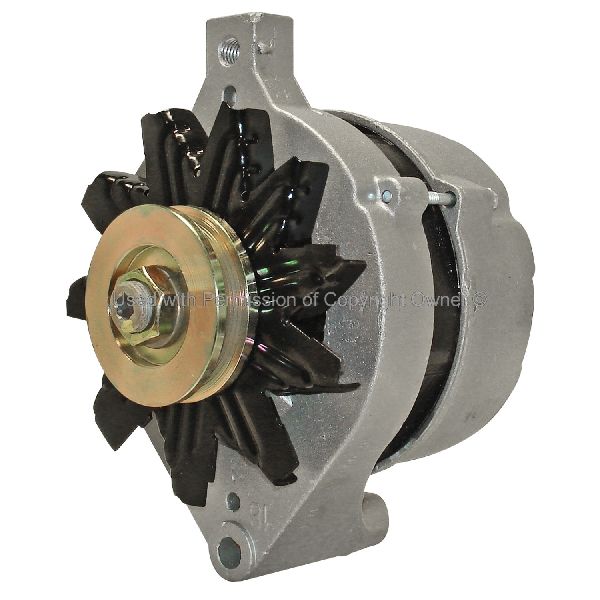
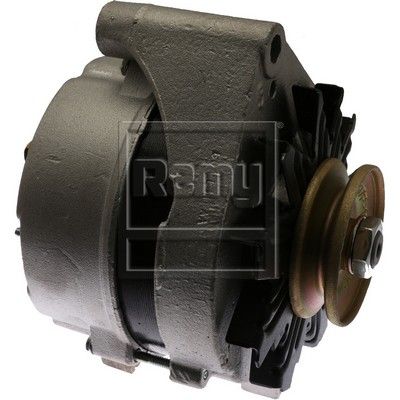
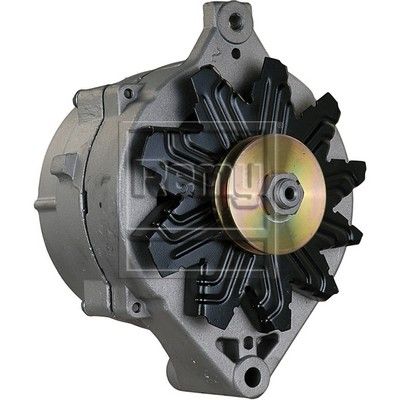
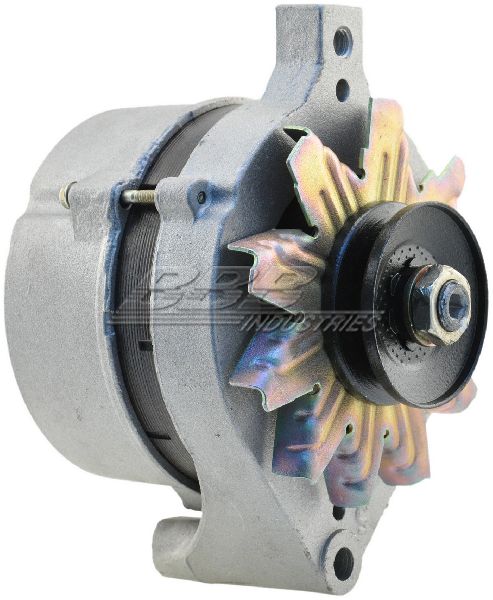
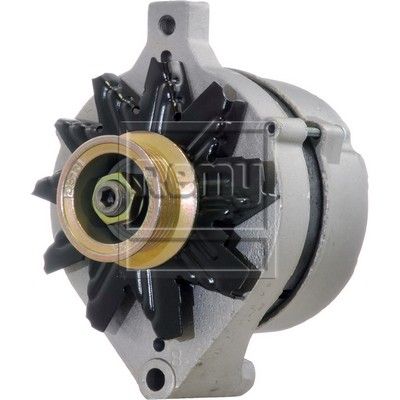
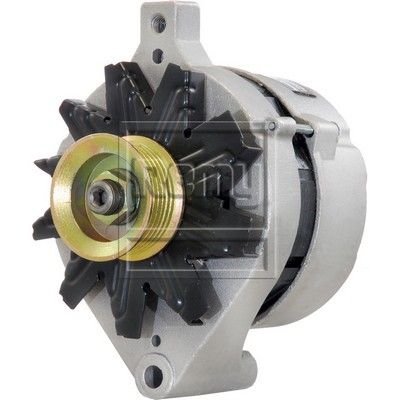
Your 1972-1976 Mark IV came from the factory with a Ford 1G series alternator. This is an externally regulated design, meaning a separate voltage regulator, usually mounted on the firewall or fender, controls the alternator's output. When replacing the alternator, it's a good time to inspect the voltage regulator and its wiring, as a faulty regulator can cause a new alternator to fail. The standard output for these alternators was typically around 60-70 amps, but higher-output options were available.
Choosing a New Aftermarket Alternator
Finding a new, original Ford alternator for a classic Mark IV is nearly impossible. The good news is that the aftermarket offers many reliable options. Since these cars use a common Ford design, parts are widely available. The key is to choose a quality brand that will provide consistent power for your Lincoln's demanding electrical system.
Brand Quality Tiers
Not all aftermarket brands are the same. Here’s a general breakdown of what to expect from the brands available:
- Tier 1 (Premium Quality): Brands like Remy and ACDelco have a long history, originally as OEM suppliers for GM. While now independent, they often produce reliable, professional-grade parts that meet or exceed original specifications. They are a solid choice for owners who want peace of mind and long-term reliability.
- Tier 2 (Performance/High-Output): Proform specializes in performance parts. They often offer high-amperage alternators (100 amps or more) that can be a good upgrade if you've added modern accessories like a powerful stereo system or electric fans. These sometimes require minor wiring upgrades to handle the extra power.
- Tier 3 (Standard Replacement): Brands like BBB Industries, MPA (Motor Parts of America), and USA Industries provide good, functional replacements that are often more budget-friendly. They are a practical choice for daily drivers or those on a tighter budget, offering a balance of cost and quality.
Pro Tip: Consider an Amperage Upgrade
The original 60-amp alternator was adequate for the 1970s, but modern driving and accessories can tax it. Upgrading to a 90-amp or 100-amp alternator can provide a more stable electrical supply, brighter lights at idle, and support for any modern electronics you may have added. Just ensure your main power wire (the "charge wire") is in good condition and large enough to handle the increased output.
Cost of a New Aftermarket Alternator
The price for a new aftermarket alternator for your Mark IV is quite reasonable. Below is a general cost comparison. Labor costs can vary based on your location and shop rates.
| Part Type | Estimated Cost |
|---|---|
| New Aftermarket Alternator | $45 - $123 |
| Remanufactured Alternator | $105 - $197 |
| Shop Labor for Installation | $100 - $200 |
Frequently Asked Questions (FAQ)
Do I need to replace my voltage regulator at the same time?
It's highly recommended. The 1972-1976 Mark IV uses an external voltage regulator. A failing regulator can cause charging problems that might seem like a bad alternator. Since they are inexpensive, replacing both at the same time is smart preventative maintenance.
What's the difference between a 1-wire and 3-wire alternator?
Your original alternator is a 3-wire (or more) design that works with the external regulator and dashboard warning light. Some performance alternators, like those from Proform, are "1-wire" units with an internal regulator, simplifying installation by only requiring the main battery connection. While simpler, converting to a 1-wire setup means you will bypass the original external regulator and may lose the function of the dashboard warning light.
Is replacing the alternator a difficult DIY job?
For a mechanically inclined owner, this is a very feasible DIY job. The alternator is typically easy to access on the front of the 460 V8 engine. Basic hand tools, including a wrench or socket to release the belt tensioner, are all that's needed. The entire process usually takes about one to two hours.
Are there any recalls or known issues for the alternator on this car?
Searches of the National Highway Traffic Safety Administration (NHTSA) database show no specific recalls or technical service bulletins (TSBs) related to the alternator for the 1972-1976 Lincoln Mark IV. Any failures are typically due to normal age and wear of the components.
Technical Specifications
OEM Part Numbers: D3VF10346A D4SF10346AA D6UF10300AA D3VF-10300-AA D7UF-10300-CA
Ford 1G Series, External Voltage Regulator, V-Belt Pulley, Clockwise Rotation. Standard output was 60-70 Amps, with optional higher outputs up to 100 Amps available.
We Have This Part in Stock

The information in this article is provided for general reference and educational purposes only. Vehicle specifications, procedures, and part compatibility can vary by production date, trim level, and region. Always consult your vehicle's factory service manual and verify part numbers before purchasing or performing repairs. Safety-critical components such as airbags, seat belts, and braking systems should be installed by a qualified professional.