

A Practical Guide to Universal Joints for the 1972-1976 Lincoln Mark IV
That clunking or vibration from under your car could be a worn U-joint, a critical part for your classic Lincoln.
- Your 1972-1976 Mark IV has two U-joints on the rear driveshaft; always replace them as a pair.
- A clunk when shifting, squeaking while driving, or a high-speed vibration are the most common signs of failure.
- Dana/Spicer is the most recommended brand for durability, with Moog and SKF being solid alternatives.
- Failure to replace a bad U-joint can lead to driveshaft separation and significant damage to your vehicle.
Is Your Lincoln Mark IV Showing Signs of a Bad U-Joint?
A failing universal joint gives clear warning signs. Because the driveshaft spins much faster than the wheels, these symptoms often get worse with speed. Ignoring them can lead to a disconnected driveshaft, which can cause serious damage to the underside of your car and leave you stranded.
Common Failure Symptoms
- Clunking Noise: A loud "clunk" or even a ringing sound when you shift into Drive or Reverse is a classic sign of a worn U-joint. This is the sound of slack in the joint being taken up.
- Vibration: A vibration that you can feel through the floor of the car, which increases with speed, often points to a bad U-joint. This is different from a tire vibration and is usually felt at a higher frequency.
- Squeaking Noise: A steady, repeating squeak that gets faster as you drive is often a sign that the U-joint has lost its grease and is running dry.
Choosing the Right Aftermarket U-Joint
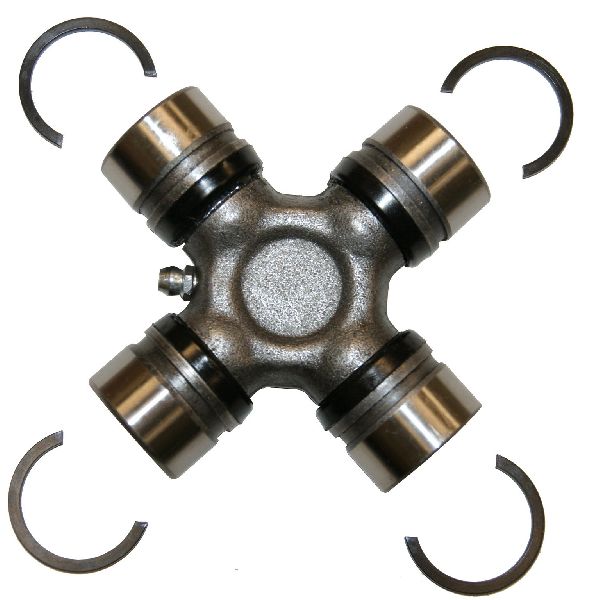
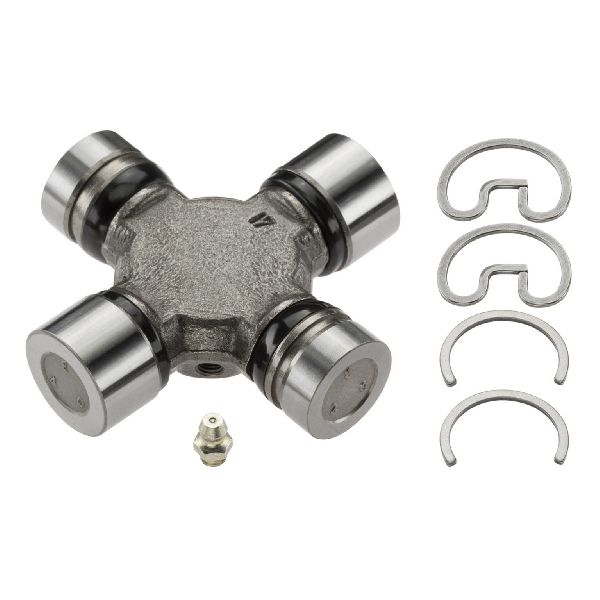
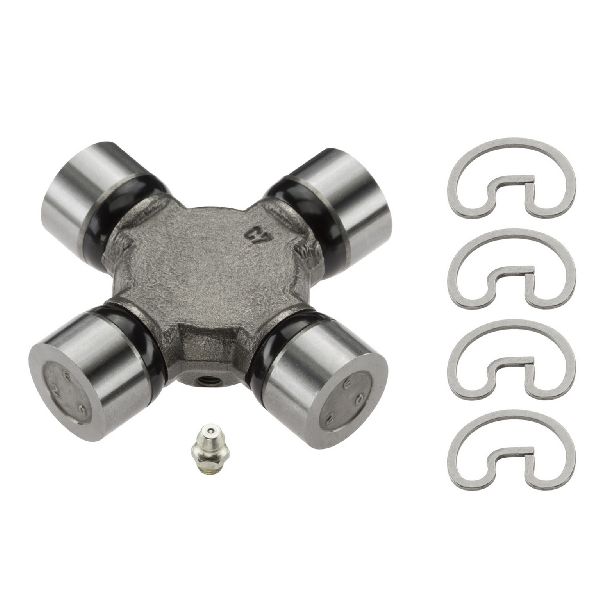
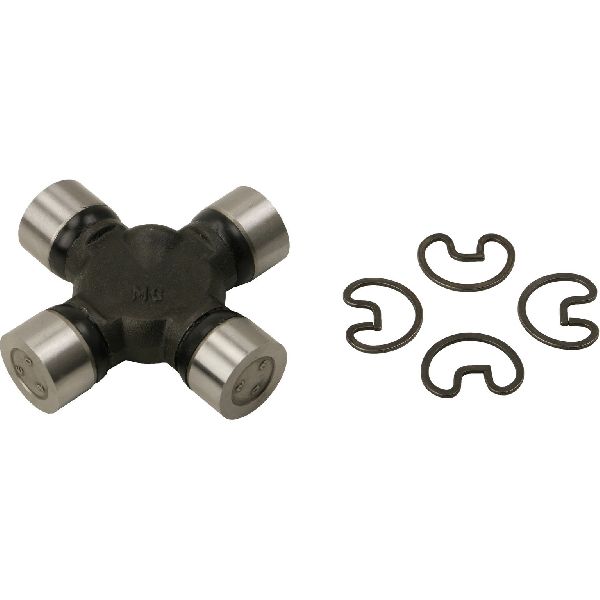
For a vintage car like the 1972-1976 Mark IV, finding original Ford (OEM) parts is nearly impossible. The good news is that several aftermarket brands produce high-quality replacements that meet or exceed original specifications. Your Mark IV has two U-joints on its rear driveshaft—one at the transmission and one at the rear axle. It is highly recommended to replace them in pairs.
Aftermarket Brand Tiers
Not all aftermarket parts are created equal. Based on owner feedback and mechanic consensus, here is a general quality ranking for the available brands:
- Top Tier (OEM Quality or Better): Dana/Spicer is widely considered the gold standard for universal joints. They are known for durability and are often the original equipment manufacturer for many vehicles. Many experienced mechanics will use nothing else. Non-greaseable Spicer joints are often considered the strongest and most durable option.
- Quality Aftermarket: Moog and SKF are well-respected brands in the aftermarket world. Moog has a long history of making quality suspension and driveline parts, though some recent forum discussions suggest their quality can be inconsistent. SKF is a major bearing manufacturer and produces reliable U-joints. These brands often feature grease fittings (zerks) for easy maintenance.
- Standard/Economy: GMB is a common brand that offers a functional, budget-friendly replacement. While they will get the job done, they may not have the same long-term durability as the premium brands, especially on a heavy car with a powerful V8 engine like the Mark IV.
Greaseable vs. Sealed U-Joints
Many aftermarket U-joints are "greaseable," meaning they have a zerk fitting that allows you to add fresh grease periodically. This can extend their life if done regularly. Factory-style or "sealed for life" joints, like many from Spicer, are pre-filled with high-quality grease and sealed. Forum users often prefer the sealed Spicer joints, believing them to be stronger and less prone to failure from lack of maintenance.
Estimated Replacement Costs
The cost to replace your U-joints will depend on the brand you choose and whether you do the work yourself or hire a professional.
| Item | Estimated Cost |
|---|---|
| Aftermarket Universal Joint (Single) | $20 - $55 |
| Shop Labor (Pair) | $200 - $450 |
Frequently Asked Questions
How many U-joints does my 1972-1976 Lincoln Mark IV have?
Your Lincoln Mark IV has a single-piece rear driveshaft with two universal joints: one connecting the driveshaft to the transmission and one connecting it to the rear differential. It is best practice to replace both at the same time.
Can I replace the U-joints myself?
Yes, this is a feasible DIY job for someone with moderate mechanical experience. It involves removing the driveshaft and using either a bench vise with sockets or a hydraulic press to push the old joints out and install the new ones. There are many guides available online showing how to do this without specialized tools.
Are there any recalls or known issues for Mark IV U-joints?
Searches of the National Highway Traffic Safety Administration (NHTSA) database and technical service bulletins show no specific recalls or widespread pattern failures for the universal joints on the 1972-1976 Lincoln Mark IV. Failures are typically due to normal wear and tear over 50+ years of use.
Do I need to get my driveshaft balanced after replacing the U-joints?
If the driveshaft is in good condition (no dents or damage) and you are careful during installation, re-balancing is usually not necessary. However, if you continue to have a vibration after the replacement, having the driveshaft professionally balanced is the next logical step.
Technical Specifications
The 1972-1976 Lincoln Mark IV uses two universal joints on the rear driveshaft. While specific OEM part numbers are scarce for this model year, most aftermarket suppliers list compatible parts under a common fitment for Ford/Lincoln vehicles of the era. It is critical to measure your existing U-joint's cap diameter and width to ensure you purchase the correct replacement, as variations can exist.
We Have This Part in Stock
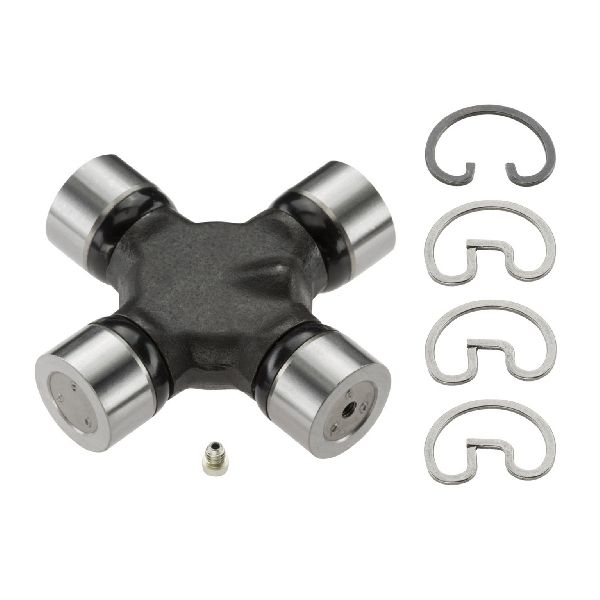
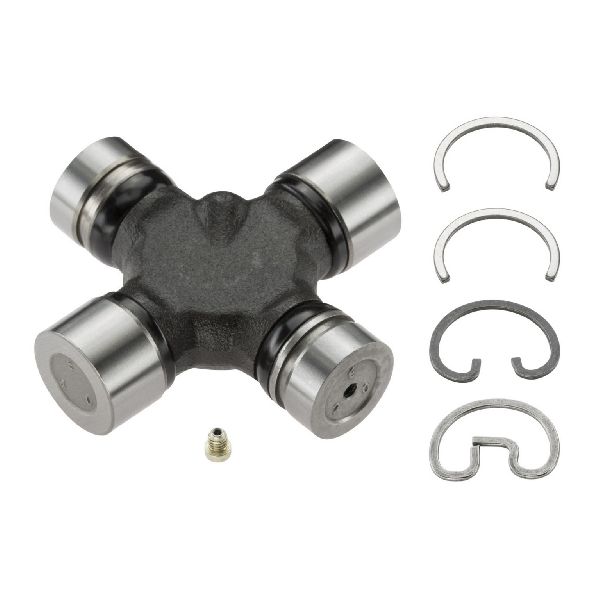

The information in this article is provided for general reference and educational purposes only. Vehicle specifications, procedures, and part compatibility can vary by production date, trim level, and region. Always consult your vehicle's factory service manual and verify part numbers before purchasing or performing repairs. Safety-critical components such as airbags, seat belts, and braking systems should be installed by a qualified professional.