

Choosing the Right Spark Plugs for Your 1972-1976 Renault R15
Keep your classic Renault R15 running smoothly with the correct modern spark plugs.
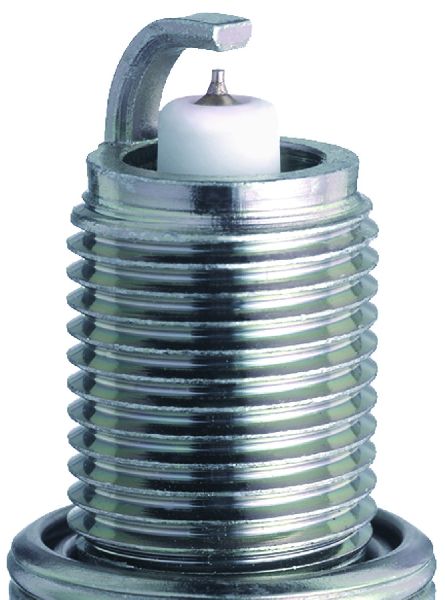
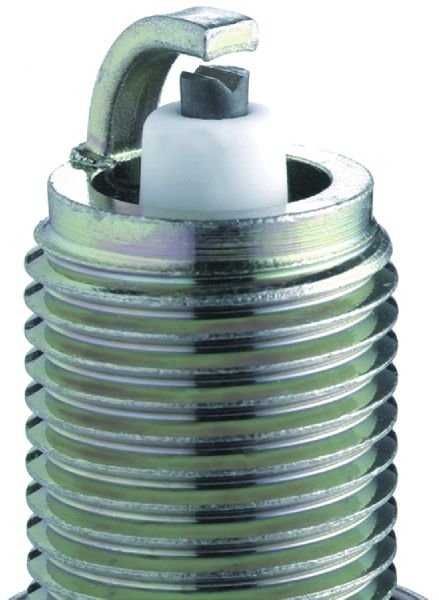
- For the 1972-1976 Renault R15, use standard copper-core spark plugs like NGK BPR6ES, Champion N9YC, or Bosch WR7DC.
- Avoid modern iridium or platinum plugs, as they may not perform well with the vehicle's original ignition system.
- Symptoms of failure include rough idle, engine misfires, and difficulty starting.
- This is a simple and inexpensive DIY task that can be completed in under 30 minutes with basic tools.
Signs of Failing Spark Plugs
Worn or faulty spark plugs can cause several noticeable issues in your Renault R15. Because these cars have simpler ignition systems compared to modern vehicles, the symptoms are often very clear.
- Rough Idle: If your R15 shakes or idles unevenly, it could be due to a plug not firing correctly.
- Engine Misfires: You might feel a hesitation or stumble during acceleration. This happens when a cylinder fails to ignite the fuel mixture.
- Difficulty Starting: Weak or fouled plugs can make it hard to start the engine, especially in cold weather.
- Reduced Fuel Economy: Inefficient combustion means you'll be visiting the gas station more often.
- Poor Acceleration: If the car feels sluggish or lacks its usual power, old spark plugs could be the culprit.
No Check Engine Light
Your 1972-1976 Renault R15 does not have an OBD-II port or a check engine light to warn you about failing spark plugs. You must rely on observing the car's performance to know when it's time for a replacement.
Choosing the Right Aftermarket Spark Plugs
Original Equipment Manufacturer (OEM) spark plugs for a 1970s Renault are no longer in production. Fortunately, modern aftermarket brands offer high-quality replacements that often exceed the performance and longevity of the original parts. The key is to choose the correct cross-reference for your engine.
The most commonly recommended standard spark plugs for the Renault R15's 1.3L and 1.6L engines are the Champion N9YC, NGK BPR6ES, and Bosch WR7DC. These are all reliable copper-core plugs that work well with the original ignition system.
Aftermarket Brand Tiers
When shopping for new plugs, you'll find several reputable brands available. Here’s a simple breakdown:
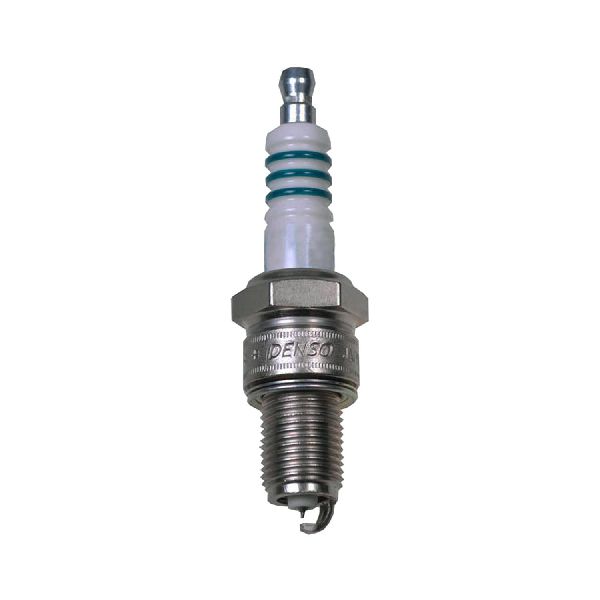
- Premium (NGK, Denso): NGK and Denso are highly regarded for their quality and consistency. An NGK BPR6ES is a very common and reliable choice for many European cars of this era. Denso offers equivalent quality and is another excellent option.
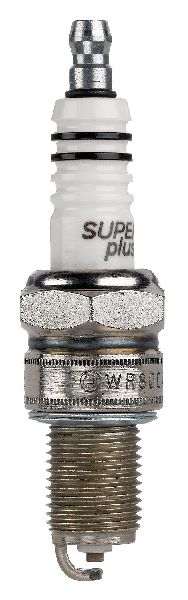
- Quality Standard (Bosch, Champion): Bosch and Champion were often the original suppliers for European vehicles. A Champion N9YC or Bosch WR7DC is a period-correct and dependable choice that will restore original performance.
- Budget-Friendly (Autolite): Autolite provides a solid, affordable option. You can cross-reference the NGK, Champion, or Bosch part numbers to find an equivalent Autolite plug, such as the Autolite 63 or 4263.
Should You Use Iridium or Platinum Plugs?
While modern iridium and platinum plugs offer a longer service life, they are not always the best choice for a classic, carbureted engine like the one in your R15. These plugs require higher ignition energy that older systems may not provide, leading to poor performance. For best results, stick with standard copper-core plugs like the NGK BPR6ES or Champion N9YC.
Known Issues, Recalls, and Service Bulletins
There are no known recalls, technical service bulletins (TSBs), or widespread complaints specifically related to spark plugs for the 1972-1976 Renault R15 in the North American market. General searches for common Renault problems often point to electrical system issues in newer models, but these are not specific to the spark plugs on a vintage R15. A recall was issued in 1974 for door latches on some Renault models, including the R15, but it is unrelated to the engine.
Cost of Replacement
Replacing spark plugs on a Renault R15 is an inexpensive and straightforward maintenance task.
| Item | Estimated Cost |
|---|---|
| New Aftermarket Spark Plugs (Set of 4) | $15 - $65 |
| Shop Labor | $50 - $100 |
| Total Estimated Cost | $65 - $165 |
This is a very DIY-friendly job that requires only basic tools, which can save you the cost of labor.
Frequently Asked Questions
How often should I change the spark plugs on my Renault R15?
For a classic car with standard copper spark plugs, a good rule of thumb is to inspect them every year and replace them every 10,000 to 15,000 miles, or every two years, whichever comes first. This ensures your engine stays in top condition.
What is the correct spark plug gap for a Renault R15?
The recommended spark plug gap is typically between 0.025" and 0.032". The Champion N9YC comes with a preset gap of 0.032" (0.82mm). Always check the gap with a feeler gauge before installation and adjust if necessary.
Do I need special tools to change the spark plugs?
You will need a spark plug socket (typically 21mm or 13/16" for these plugs), a ratchet with an extension, and a spark plug gap tool. A torque wrench is also recommended to ensure you don't over-tighten the new plugs.
Should I use anti-seize on the new spark plug threads?
Many modern spark plugs, especially from brands like NGK, have a special anti-corrosion coating and do not require anti-seize. Applying it can cause you to over-torque the plug, potentially damaging the cylinder head. It's best to install them dry.
Technical Specifications
OEM Part Numbers: 7700737459 7701366515
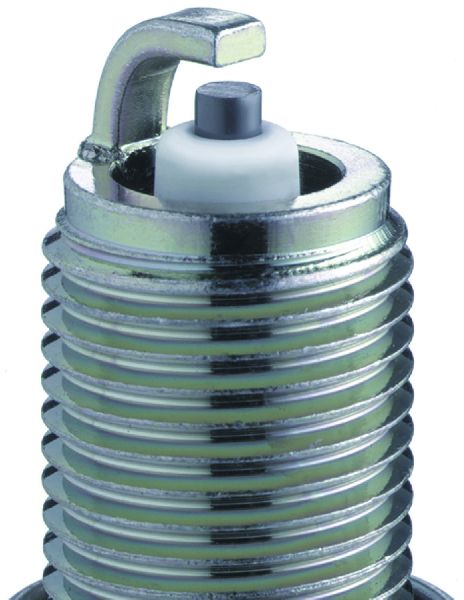
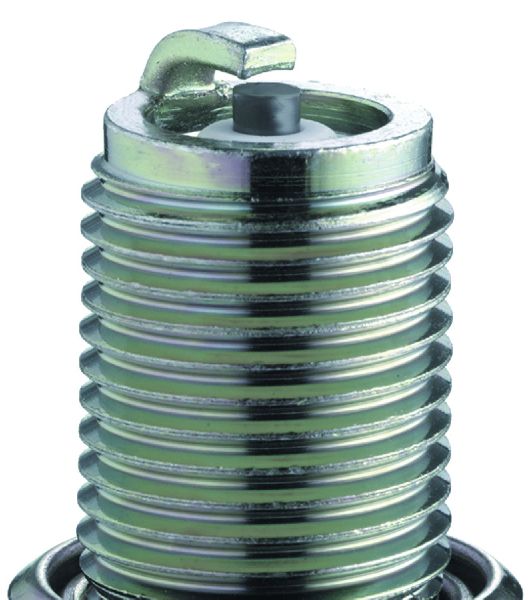
Thread Size: 14mm, Thread Reach: 19mm, Hex Size: 21mm (13/16"), Seat Type: Flat, Gap: 0.025" - 0.032".
We Have This Part in Stock

The information in this article is provided for general reference and educational purposes only. Vehicle specifications, procedures, and part compatibility can vary by production date, trim level, and region. Always consult your vehicle's factory service manual and verify part numbers before purchasing or performing repairs. Safety-critical components such as airbags, seat belts, and braking systems should be installed by a qualified professional.