

Ford LTD (1972-1986) Differential Bearing Set: A Complete Guide
Address rear-end whining or humming noises in your classic Ford LTD by understanding the differential bearings.
- Differential bearing failure in a 1972-1986 Ford LTD primarily manifests as a whining or rumbling noise from the rear that changes with speed.
- This is an advanced repair requiring special tools; professional installation is recommended for most owners.
- No specific recalls or TSBs exist for this issue; failures are due to age and wear.
- Using a quality aftermarket brand like Timken is crucial for a durable and quiet repair.
Symptoms of a Failing Differential Bearing Set
Worn differential bearings in your Ford LTD will almost always announce their failure with noise. The sounds can change with speed and load. Listen for these common symptoms:
- Whining or Howling Noise: The most common symptom is a persistent whining or howling sound from the rear of the vehicle that changes pitch with speed. A noise that appears during acceleration and goes away when you let off the gas often points to worn pinion gears, but a constant whirring or rumbling at speeds over 20 mph is typically caused by worn carrier bearings.
- Grinding or Rumbling: As the bearings degrade further, the noise can turn into a grinding or rumbling sound. This indicates metal-to-metal contact and more significant wear. You may notice the noise changes when turning.
- Vibrations: You might feel vibrations through the floor or seat that increase with vehicle speed. This can be a sign of imbalance in the differential caused by the failing bearings.
- Clunking: While less common for bearing failure alone, clunking when shifting or getting on and off the gas could indicate excessive play in the drivetrain, which can be related to severe bearing wear.
Metal Flakes in Gear Oil
During a differential fluid change, if you find significant metal shavings or glitter on the magnetic drain plug, it's a strong indicator of internal wear, very likely from the bearings or gears.
Choosing the Right Aftermarket Bearings
For a classic vehicle like the 1972-1986 LTD, new OEM (Original Equipment Manufacturer) parts are often unavailable. Fortunately, the aftermarket provides high-quality solutions. The key is choosing a reputable brand.
Brand Focus: Timken
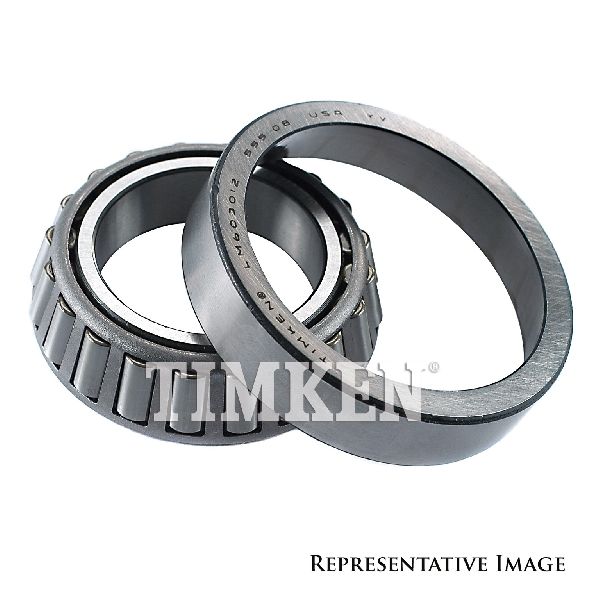
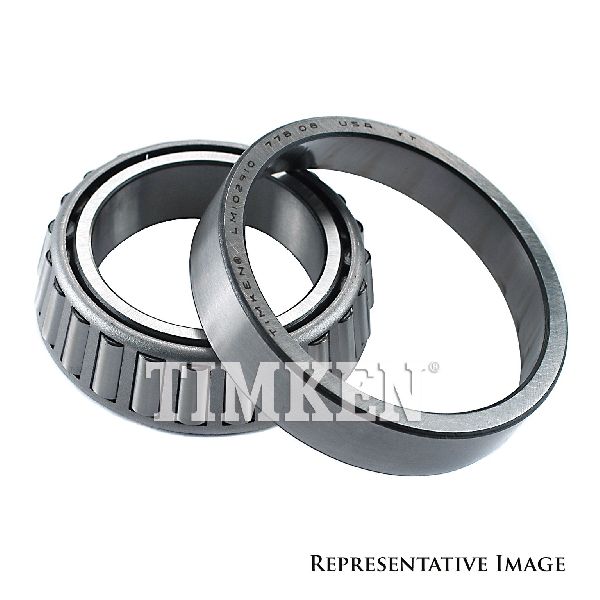
Timken is a well-regarded name in the bearing industry and is often considered an industry standard. For components like differential bearings, which are critical for drivetrain reliability, using a trusted brand is essential. Timken kits typically provide all the necessary components, including bearings and races, meeting strict quality standards. While some forum users note that even top brands can sometimes re-box parts from other manufacturers, Timken remains a top choice for professional mechanics and DIYers for its general reliability and quality.
Pro Tip: Identify Your Axle
Ford LTDs from this era were commonly equipped with either the Ford 8.8-inch or the legendary Ford 9-inch rear axle. While the symptoms of bearing failure are the same, the specific bearing kits are different. It is crucial to correctly identify your axle before ordering parts. The 9-inch differential has a removable front-loading carrier (third member), while the 8.8-inch has a rear cover that must be unbolted to access the internals.
Estimated Replacement Costs
Replacing differential bearings is a labor-intensive job that requires specialized tools. While the parts themselves are not extremely expensive, labor makes up a significant portion of the cost.
| Part/Service | Estimated Cost |
|---|---|
| New Aftermarket Differential Bearing Set (Timken) | $38 - $40 |
| Shop Labor | $400 - $800 |
| Total Estimated Cost | $438 - $840 |
Cost estimates are approximate and can vary based on your location, the specific shop, and the condition of your differential. Additional parts like seals, shims, and gear oil will also be required.
Frequently Asked Questions (FAQ)
Is replacing differential bearings a DIY job?
This is an advanced DIY job. It requires special tools like a bearing press, a dial indicator to set backlash, and an inch-pound torque wrench to set pinion preload. Improper installation can lead to immediate noise and rapid failure of the new parts. For most owners, this job is best left to a professional mechanic or a shop specializing in drivetrain work.
Were there any recalls for the 1972-1986 Ford LTD differential?
Based on searches of the NHTSA database, there are no specific recalls or Technical Service Bulletins (TSBs) related to widespread differential bearing failure for the 1972-1986 Ford LTD. Failures on a vehicle of this age are typically due to normal wear and tear over many years and miles.
Should I replace just the bearings or the ring and pinion gears too?
If you catch the bearing failure early (at the first sign of noise), you can often get away with just replacing the bearings, races, and seals. However, if the bearings have been failing for a long time, they may have allowed the gears to misalign and wear improperly. A thorough inspection of the ring and pinion gear teeth for pitting, scoring, or uneven wear patterns is necessary once the differential is disassembled.
What else should be replaced along with the bearings?
At a minimum, you should always replace the pinion seal, crush sleeve (if applicable), and axle seals when doing this job. A complete master install kit is often the best value, as it includes all bearings, races, shims, a pinion seal, crush sleeve, gear marking compound, and a new pinion nut.
Technical Specifications
The specific bearing set depends on the axle type, which is likely a Ford 8.8-inch or 9-inch. Correct axle identification is required before purchasing parts.
We Have This Part in Stock

The information in this article is provided for general reference and educational purposes only. Vehicle specifications, procedures, and part compatibility can vary by production date, trim level, and region. Always consult your vehicle's factory service manual and verify part numbers before purchasing or performing repairs. Safety-critical components such as airbags, seat belts, and braking systems should be installed by a qualified professional.