

Choosing the Right Alternator for Your 1973-1977 Mercury Comet
Keep your classic Comet's electrical system reliable with the correct new aftermarket alternator.
- Assess your amperage needs. If you have modern electronics like a stereo or electric fan, upgrade to a high-output alternator of 100 amps or more.
- The stock charging system uses an external voltage regulator. Many aftermarket units are "one-wire" with internal regulators, which requires a wiring modification.
- Replacing the alternator on a Comet is a DIY-friendly job that takes about an hour with basic hand tools.
- Always check the condition of your battery and cables when replacing the alternator, as bad cables or a weak battery can cause charging issues.
Signs of a Failing Alternator
A bad alternator in your Comet will give you some clear warning signs. Because these cars have simple electrical systems, symptoms are usually obvious. If you notice any of these issues, it's time to test your charging system.
- Dim or Flickering Headlights: One of the most common signs. You may notice your headlights get brighter when you rev the engine and dim when it idles.
- Dead Battery: The alternator's main job is to recharge the battery. If you find your battery is frequently dead, even after being charged, the alternator is a likely culprit.
- Warning Light: Your Comet may have a battery or "ALT" light on the dashboard. If this light comes on while driving, it means there's a problem in the charging system.
- Squealing Noises: A worn-out bearing inside the alternator can cause a squealing or grinding noise that changes with engine speed. A loose or worn V-belt can also cause squealing and should be inspected.
Choosing Your New Aftermarket Alternator
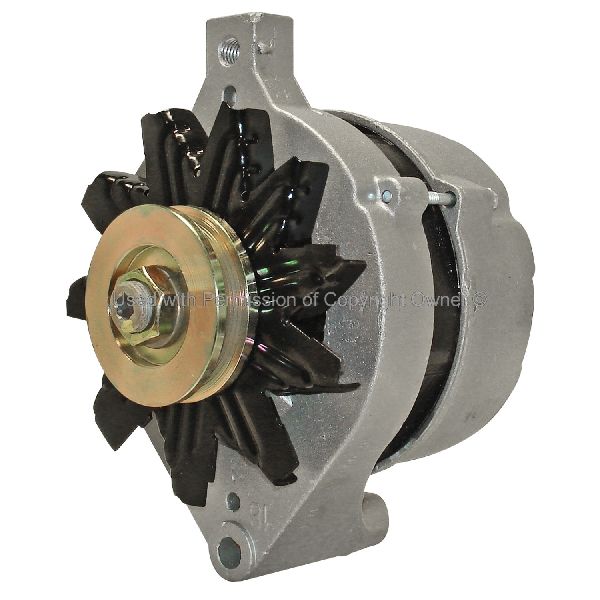
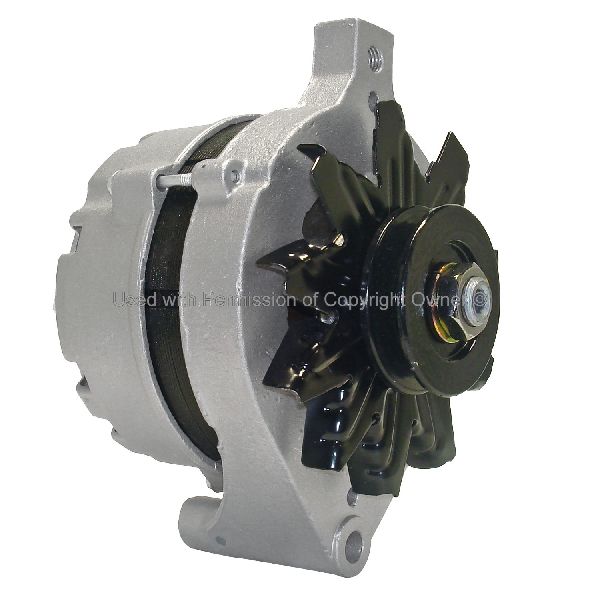
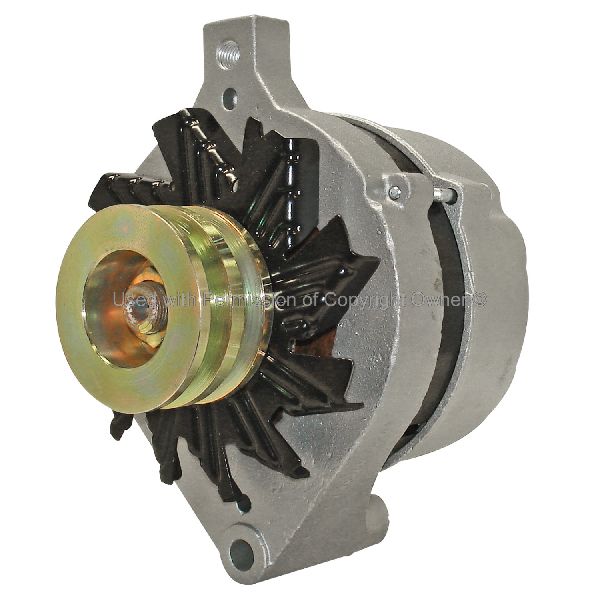
For a vintage car like the 1973-1977 Mercury Comet, a new OEM (Original Equipment Manufacturer) alternator is no longer available. Your choice is between a rebuilt original part or a new aftermarket part. New aftermarket units often provide better reliability and can offer modern technology and higher power output.
Check Your Amperage Needs
The original alternators on these Comets were low output, often around 40-60 amps. This was enough for the factory equipment. However, if you've added modern accessories like a powerful stereo, electric cooling fans, or brighter lights, you should consider a high-output alternator. These can produce 100 amps or more, ensuring your electrical system can handle the extra load. Upgrading to a high-output alternator often requires upgrading the main charge wire to a thicker gauge to handle the increased current safely.
Aftermarket Brand Tiers
Several brands offer new alternators for your Comet, each with a different focus.
- Performance/High-Output (Powermaster, Proform): These brands specialize in high-amperage alternators perfect for modified vehicles. Powermaster is well-regarded in the hot rod community for producing high current even at low engine RPMs, which is great for street driving. Proform also offers high-output one-wire alternators that are popular for engine swaps and simplifying wiring.
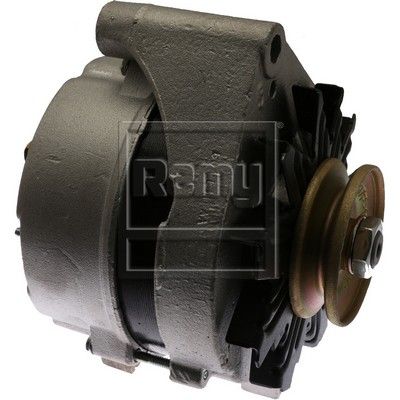
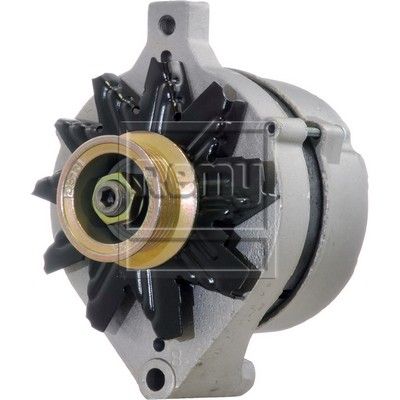
- Standard Replacement (Remy): Remy is a long-standing brand that offers quality new and remanufactured alternators that serve as reliable stock replacements. They are often considered a solid choice for a daily driver without heavy electrical demands.
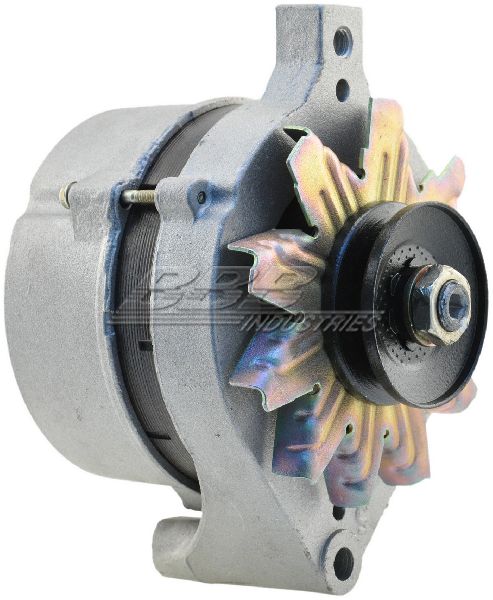
- Value-Oriented (BBB Industries, MPA): These brands are major suppliers of new and remanufactured parts to many auto parts stores. They offer a cost-effective solution for getting your car back on the road and are widely available. While some users report success, others have experienced premature failures, particularly with bearings.
External vs. Internal Regulators
Your stock 1973-1977 Comet came with an externally mounted voltage regulator. Many aftermarket alternators, especially "one-wire" performance models, have a built-in internal regulator. Converting to a one-wire alternator can simplify your engine bay wiring but requires bypassing the old external regulator. Make sure you know which type you are buying and what is required for installation.
Cost of a New Aftermarket Alternator
| Part | Price Range |
|---|---|
| New Aftermarket Alternator | $44.87 - $314.76 |
| Shop Labor | $100 - $200 |
Frequently Asked Questions
How do I test my alternator?
You can perform a simple test with a multimeter. With the engine off, a healthy battery should read about 12.6 volts. Start the car and check again. With the engine running, the voltage at the battery terminals should increase to between 13.8 and 14.4 volts. If the voltage doesn't increase or is too high (over 15 volts), your alternator or regulator is likely faulty.
Do I need a high-output alternator for my Comet?
If your car is completely stock, a standard replacement alternator (60-70 amps) is usually sufficient. However, if you have added or plan to add electrical accessories like a modern sound system, electric fans, or extra lighting, a high-output alternator (100+ amps) is a wise investment to prevent electrical issues.
What is a "one-wire" alternator?
A one-wire alternator simplifies installation by using an internal voltage regulator and requiring only a single wire connection from the alternator's output post to the battery. This is a popular upgrade for classic cars to clean up engine bay wiring and improve reliability over the original external regulator system.
How difficult is it to replace the alternator on a '73-'77 Comet?
For a mechanically inclined owner, this is a straightforward job. Access is generally good on these older vehicles. The process involves disconnecting the battery, loosening the V-belt, unbolting the alternator, and swapping the electrical connections. It typically takes about an hour.
Technical Specifications
Amperage: 40-65 Amps (Stock), 100-220 Amps (Aftermarket Upgrades). Voltage: 12V. Regulator: External (Stock), Internal (Many Aftermarket). Pulley: Single V-Belt.
We Have This Part in Stock

The information in this article is provided for general reference and educational purposes only. Vehicle specifications, procedures, and part compatibility can vary by production date, trim level, and region. Always consult your vehicle's factory service manual and verify part numbers before purchasing or performing repairs. Safety-critical components such as airbags, seat belts, and braking systems should be installed by a qualified professional.