

Ford Mustang Mechanical Fuel Pump: A Guide for 1973-1978 Models
Keep your classic Mustang's carbureted engine running strong by understanding and choosing the right mechanical fuel pump.
- For a stock engine, a standard replacement pump from a brand like GMB or Delphi is sufficient and cost-effective.
- Modified engines require a high-volume pump from Holley or Edelbrock to prevent fuel starvation.
- A fuel leak from the pump or a strong smell of gas in your engine oil are critical symptoms requiring immediate attention.
- Replacement is a manageable DIY task for most home mechanics, typically taking 1-2 hours.
Is Your Mustang's Fuel Pump Failing?
A failing mechanical fuel pump on a 1973-1978 Ford Mustang can cause a range of frustrating engine problems. Because these pumps can fail slowly over time or all at once, recognizing the signs early can save you from being stranded. A bad pump can either starve the engine of fuel or, in a worst-case scenario, leak fuel and create a fire hazard.
Key Symptoms of a Bad Fuel Pump:
- Engine Sputters or Hesitates: When you press the gas pedal, the car may stumble or hesitate because the pump can't supply the extra fuel needed for acceleration.
- Stalling: The engine may stall at idle, like at a stoplight, or even while driving. It might restart after cooling down, which can be a sign of vapor lock, where modern fuel boils in the lines on a hot day.
- Loss of Power: Your Mustang may feel weak, especially when driving uphill or under heavy load.
- Car Won't Start: If the pump has completely failed, it won't send any fuel to the carburetor, and the engine will crank but not start. You might check the fuel filter and find it's completely dry.
- Visible Fuel Leak: A crack in the pump's internal diaphragm can cause gasoline to leak from the pump's body. This is a serious fire risk and requires immediate attention.
- Fuel in Engine Oil: The diaphragm can also fail internally, leaking gasoline directly into the engine's crankcase. This thins the oil and can lead to major engine damage. If you check your oil and it smells strongly of gas, a bad fuel pump is a likely cause.
Choosing the Right Aftermarket Fuel Pump
For a classic Mustang from this era, new original Ford parts are generally not available. The market is dominated by aftermarket brands that fall into two main categories: standard replacements and performance upgrades.
Tier 1: Performance Brands (Edelbrock, Holley)
If your Mustang has a modified engine with a bigger carburetor, performance intake, or camshaft, you'll need a fuel pump that can keep up. Brands like Holley and Edelbrock specialize in high-volume pumps.
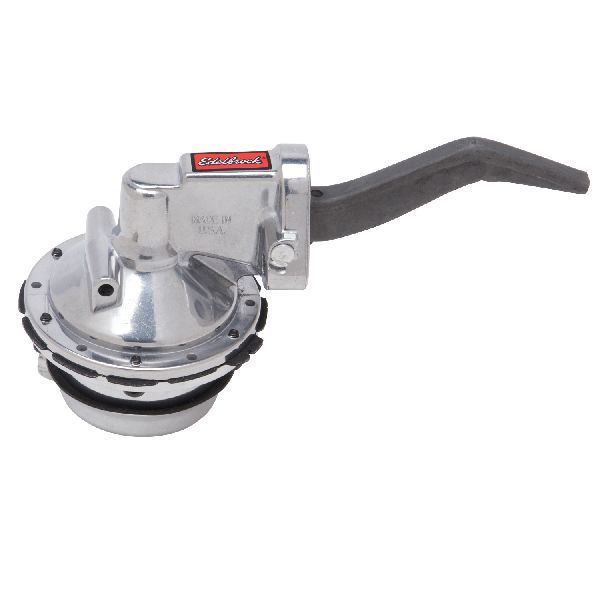
- Edelbrock: Known for quality, Edelbrock offers pumps that can support engines up to 600 horsepower. Many feature a 'clockable' housing, which lets you rotate the bottom of the pump to get the best angle for your fuel lines, making installation easier.
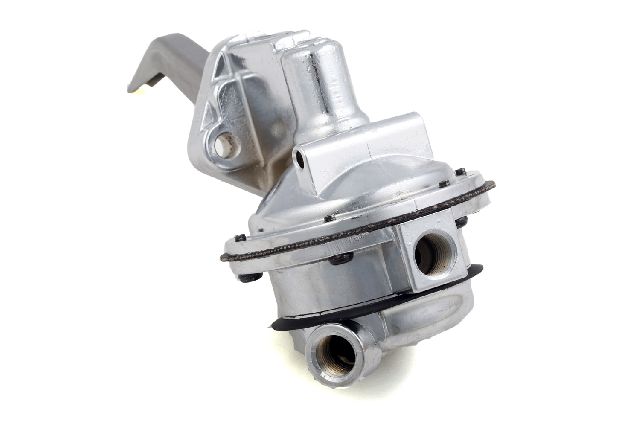
- Holley: A legendary name in performance, Holley offers a range of mechanical pumps that flow from 110 to over 170 gallons per hour (GPH) for serious street and race engines.
Pro Tip: These high-flow pumps are overkill for a stock engine and are significantly more expensive. Only invest in one if your engine's modifications demand the extra fuel flow.
Tier 2: Standard Replacement Brands (GMB, Delphi)
If your Mustang is stock or has only minor bolt-on parts, a standard replacement pump is all you need. These are designed to meet or exceed the original factory specifications and are much more affordable.
- GMB: A common and affordable option that provides reliable, stock-level performance.
- Delphi & Similar OE-Style Brands: Brands like Delphi, Carter, or store brands like Carquest offer dependable, factory-style replacements. They are tested to ensure proper fit and function for a worry-free installation. Be aware that an aftermarket fuel pump recall was issued in 2007 for pumps made by Federal-Mogul, which included the Carter brand, for a defect that could cause leaks. While this was long ago, it highlights that quality can vary.
How Much Does a New Fuel Pump Cost?
The cost depends on the brand and whether you do the work yourself. The job is straightforward for a DIY mechanic and can be done in an hour or two.
| Item | Estimated Cost |
|---|---|
| Standard Aftermarket Pump (GMB, etc.) | $37 - $70 |
| Performance Aftermarket Pump (Holley, Edelbrock) | $140 - $263 |
| Shop Labor | $100 - $250 |
| Total Professional Installation | $140 - $515 |
Frequently Asked Questions
Can I replace the fuel pump myself?
Yes, this is a common DIY job. The pump is located on the side of the engine block and held on by two bolts. The main challenges are safely disconnecting the fuel lines, cleaning the old gasket material off the engine block, and positioning the new pump's arm correctly against the camshaft eccentric. Applying a bit of grease to the new gasket can help hold it in place during installation.
Do I need a high-performance fuel pump for my stock 302 V8?
No. A high-performance pump is not necessary for a stock engine and will not increase horsepower. A standard replacement pump will provide all the fuel a stock or mildly modified engine needs. Using a pump that's too powerful without a fuel pressure regulator can actually cause problems by overwhelming the carburetor's needle and seat.
What is a 'clockable' fuel pump?
Some aftermarket pumps, particularly from brands like Edelbrock, have a lower housing that can be unbolted and rotated. This allows you to change the position of the inlet and outlet ports to better align with your existing fuel lines, which can simplify installation.
Are there any recalls for the 1973-1978 Mustang fuel pump?
There are no known recalls from Ford for the original mechanical fuel pumps on these models. However, there was a 2007 recall for certain aftermarket pumps sold under various brand names that were manufactured with a defect that could cause fuel leaks.
Technical Specifications
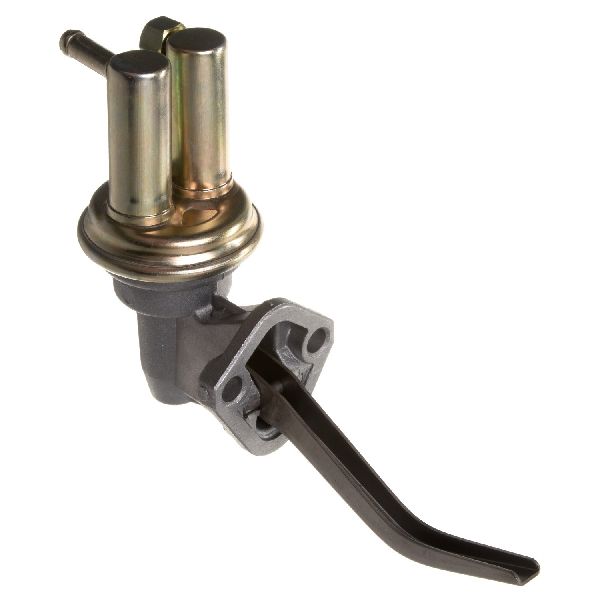
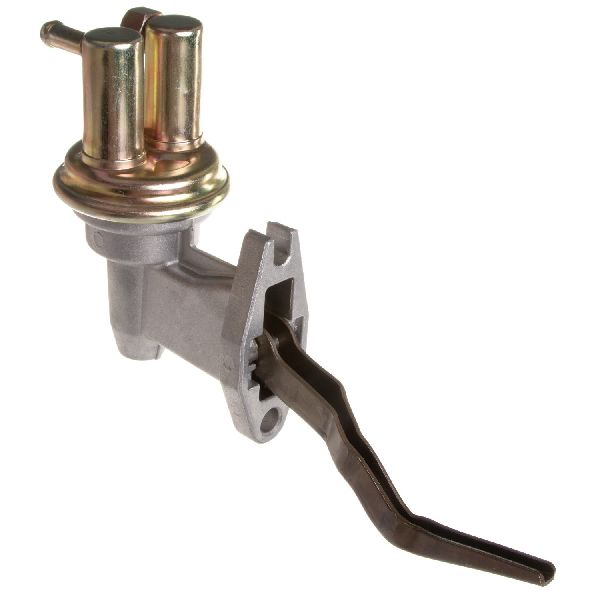
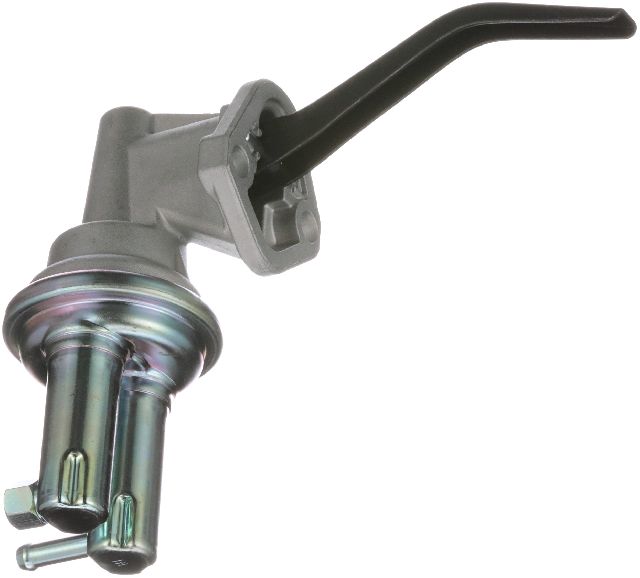
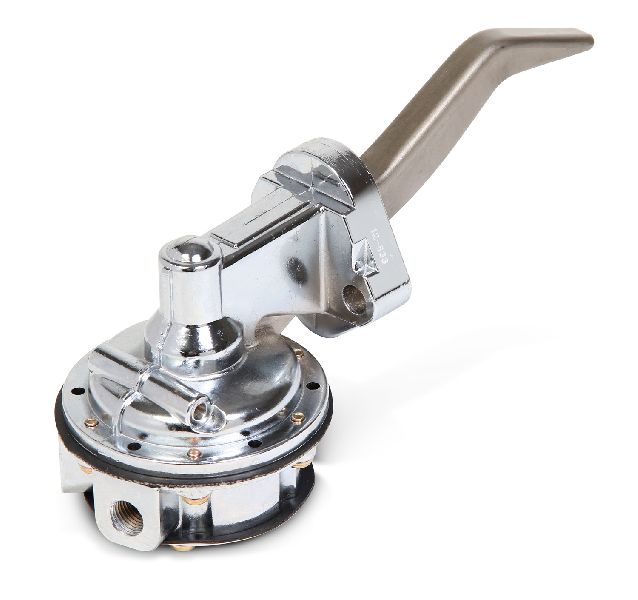
The mechanical fuel pump for 1973-1978 Ford Mustangs is a lever-actuated, diaphragm-style pump. It mounts to the side of the engine block and is driven by the camshaft. Standard pumps provide pressure suitable for a carburetor (typically 4-7 PSI), while performance pumps offer higher volume (e.g., 110+ GPH) for modified engines. Some pumps for V8 models may have different arm lengths or require a specific one or two-piece fuel pump eccentric, so verifying engine-specific fitment is crucial.
We Have This Part in Stock

The information in this article is provided for general reference and educational purposes only. Vehicle specifications, procedures, and part compatibility can vary by production date, trim level, and region. Always consult your vehicle's factory service manual and verify part numbers before purchasing or performing repairs. Safety-critical components such as airbags, seat belts, and braking systems should be installed by a qualified professional.
- 🛍️ Shop This Part
- Is Your Mustang's Fuel Pump Failing?
- Key Symptoms of a Bad Fuel Pump:
- Choosing the Right Aftermarket Fuel Pump
- Tier 1: Performance Brands (Edelbrock, Holley)
- Tier 2: Standard Replacement Brands (GMB, Delphi)
- How Much Does a New Fuel Pump Cost?
- Frequently Asked Questions
- 🎟️ Get 5% Off