

Accessory Drive Belts for the 1973-1979 Ford Bronco: A Comprehensive Guide
Keep your classic Bronco's accessories running strong by understanding its V-belt system.
- Your 1973-1979 Bronco uses multiple V-belts, not a single serpentine belt. A failure of one belt only affects one accessory.
- Squealing is the most common warning sign. Inspect belts regularly for cracks, fraying, and glazing.
- Top aftermarket brands like Gates, Dayco, and Continental are all excellent, reliable choices for this vehicle.
- Always check your pulleys. Worn, rusty, or greasy pulleys will damage new belts and cause slipping.
Understanding Your Bronco's V-Belts
The 1973-1979 Ford Bronco relies on a robust system of V-belts to power its accessories. These belts are named for their V-shaped cross-section, which helps them grip the pulleys of the alternator, power steering pump, and A/C compressor. Because this system uses multiple belts, it's important to know which belt drives which component. Typically, one belt runs the alternator, another runs the power steering, and a third would run the air conditioning if your truck is equipped with it. This setup is reliable, but the belts are wear items and require regular inspection and replacement.
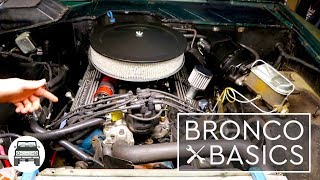
🎬 Watch this video for a primer on Bronco belts and hoses.Symptoms of a Failing Accessory Drive Belt
A failing V-belt will almost always give you a warning sign before it breaks completely. Being aware of these signs can prevent you from getting stranded.
- Squealing Noises: This is the most common symptom. A high-pitched squeal, especially at startup or when the engine is under load, usually means a belt is slipping due to being loose, worn, or contaminated with fluids.
- Visible Wear and Tear: A visual inspection can reveal a lot. Look for cracks, fraying, missing chunks (cogs), or a shiny, glazed appearance on the belt's surface. Any of these signs mean the belt is old and needs to be replaced.
- Accessory Malfunctions: If a belt fails, the component it powers will stop working. A broken alternator belt will cause the battery to stop charging, leading to a dead battery. A failed power steering belt will make steering extremely difficult.
- Poor Pulley Fit: A good belt should ride high in the pulley groove. If the belt is sitting deep inside the pulley, it could mean the belt is the wrong size or the pulley itself is worn out.
Pulley Condition is Key
Never install new belts on worn or damaged pulleys. A shiny, polished, or U-shaped groove in a pulley indicates it's worn out. Worn pulleys will destroy new belts quickly and can be a hidden cause of constant belt squeal.
Choosing the Right Aftermarket Belts
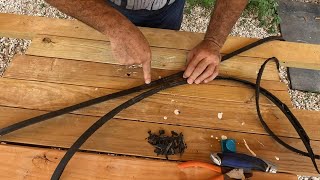
For a classic vehicle like the 1973-1979 Bronco, high-quality aftermarket belts are the industry standard. Brands like Gates, Dayco, and Continental are trusted by mechanics and Bronco owners alike. There is little to no practical difference in quality between these top brands for this application; all are excellent choices. 🎬 See a durability comparison between Continental and Gates V-belts. Some owners in forums prefer Dayco's "Top Cog" or Gates' heavy-duty belts, especially for high-load applications like a high-output alternator.
When replacing belts, it's a good practice to replace them all at the same time with a matched set to ensure even wear and tension.
| Item | Estimated Cost |
|---|---|
| New Aftermarket Belts (per belt) | $2.56 - $48.13 |
| Shop Labor for Replacement (all belts) | $75 - $150 |
Frequently Asked Questions
How many belts does my 1973-1979 Bronco have?
It depends on your engine and accessories. Most V8 models with power steering and A/C will have three or even four separate V-belts. A base model with no options might only have one or two. It is critical to check your specific setup before ordering parts.
What is a "cogged" or "notched" V-belt?
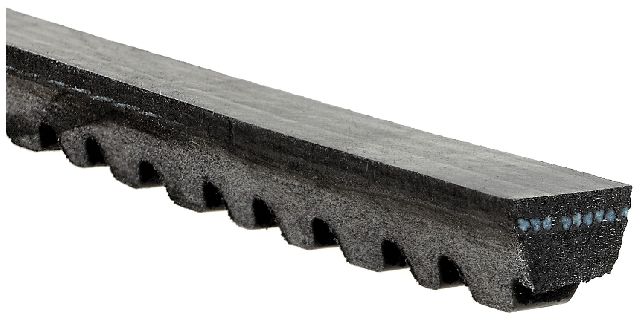
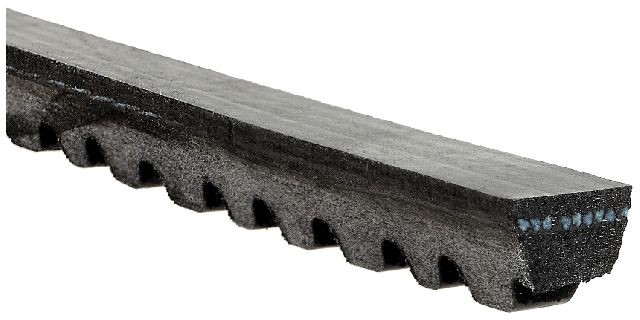
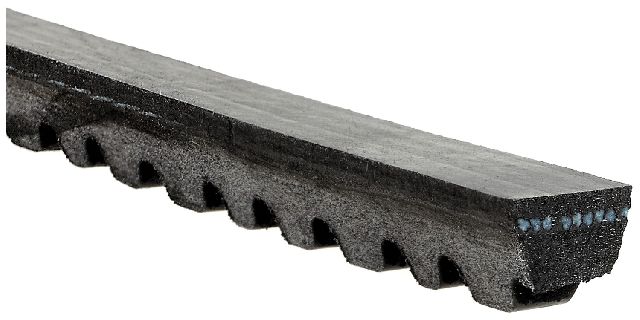
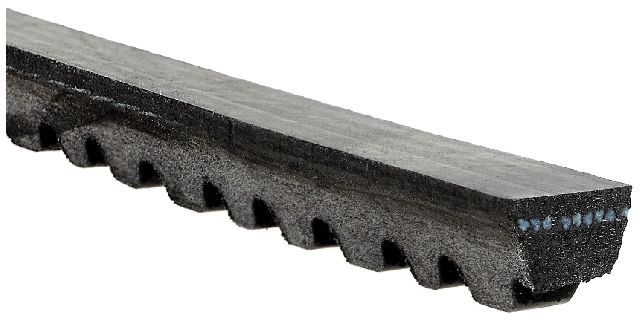
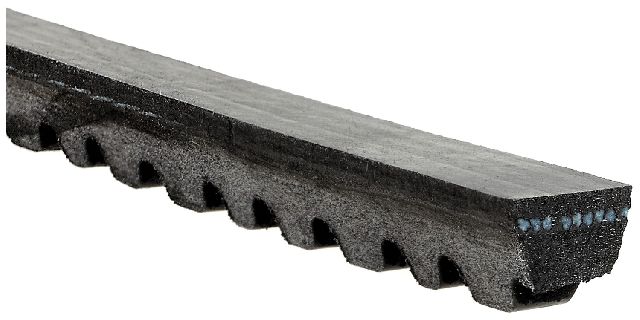
A cogged (or notched) V-belt has slots cut into the underside. These notches allow the belt to bend more easily around smaller pulleys and can help it run cooler, which may increase its lifespan. Many owners prefer them for their reliability.
Why does my new belt squeal?
If a new belt squeals, the most common causes are improper tension (too loose) or contaminated/worn pulleys. Clean the pulleys with brake cleaner before installing new belts to remove any oil or grease. Also, V-belts can stretch slightly after the first 24-48 hours of use and may need to be re-tensioned.
Is there a recall on the drive belts for this Bronco?
No, there are no NHTSA recalls or Technical Service Bulletins (TSBs) related to the accessory drive belts for the 1973-1979 Ford Bronco. Any recalls found for the "Ford Bronco" are for much newer models and are not relevant to this generation.
How do I find the right size belt?
Finding the correct belt can be tricky due to the many engine and accessory combinations. The part number on the old belt is the best starting point. If that's not available, you will need to know your engine size, and what accessories you have (alternator amperage, with/without A/C, etc.). Using a string to measure the path around the pulleys can also give you a length to start with. When in doubt, consult a parts catalog or a knowledgeable supplier.
Helpful Videos
Technical Specifications
Due to the wide variety of engine and accessory combinations from 1973-1979, there is no single part number. Belts are specific to the engine (e.g., 302, 351M, 400 V8) and the driven accessories (alternator type, power steering, A/C). Always verify the required belt length and width for each specific accessory drive on your vehicle before purchasing.
We Have This Part in Stock

The information in this article is provided for general reference and educational purposes only. Vehicle specifications, procedures, and part compatibility can vary by production date, trim level, and region. Always consult your vehicle's factory service manual and verify part numbers before purchasing or performing repairs. Safety-critical components such as airbags, seat belts, and braking systems should be installed by a qualified professional.