

Ford LTD Mechanical Fuel Pump: A Guide for 1973-1979 Models
Keep your classic Ford running reliably by understanding its mechanical fuel pump and choosing the right replacement.
- Budget-brand mechanical pumps for this era have a high failure rate; investing in a quality brand like Edelbrock, Holley, or Delphi is recommended for reliability.
- A ruptured diaphragm can leak fuel, creating a serious fire hazard. Inspect the pump for any signs of wetness or fuel smell.
- Symptoms like stalling on hot days could be vapor lock, a common issue with carbureted Fords that can be made worse by a weak pump.
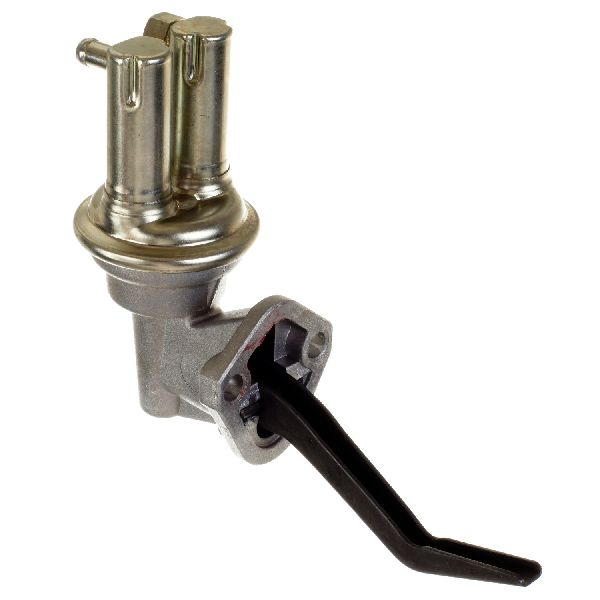
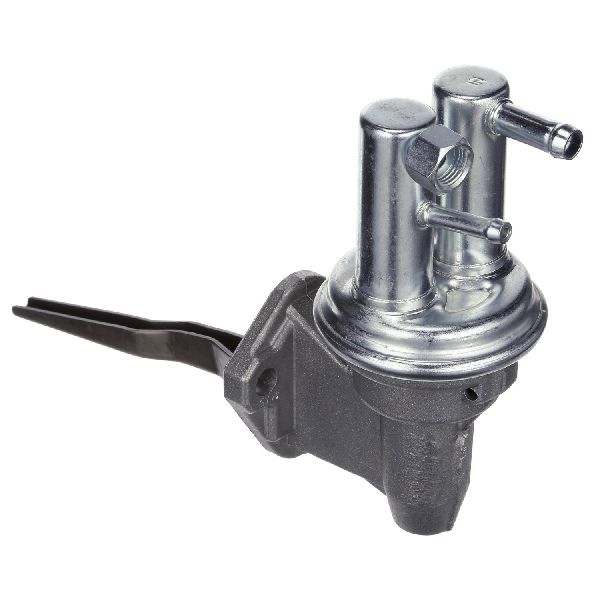
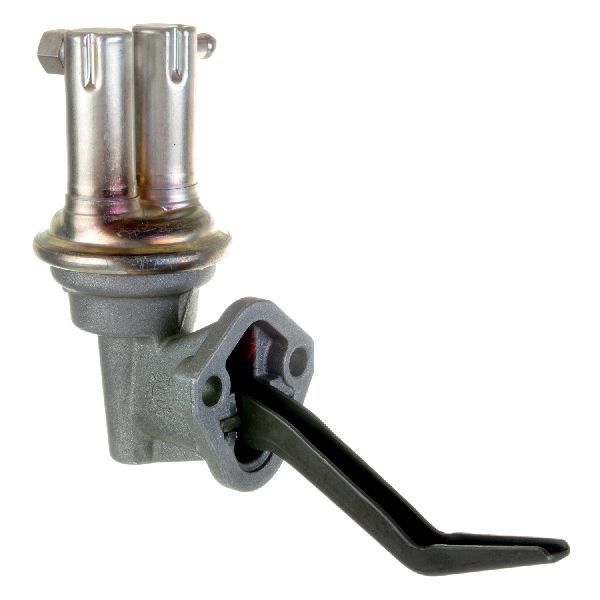
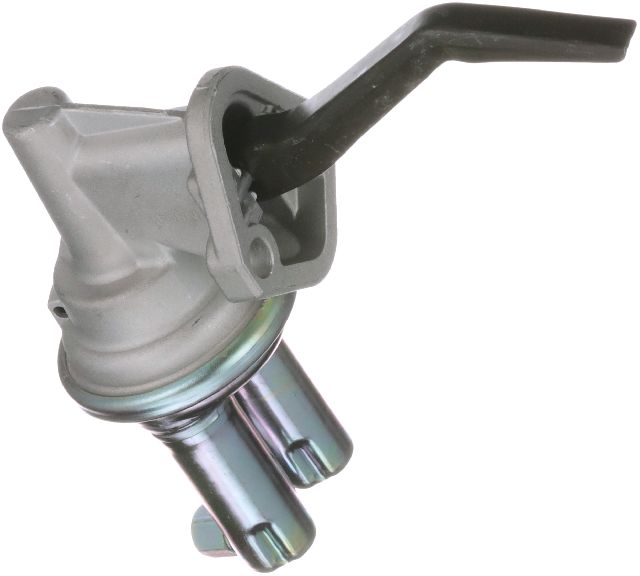
- Before ordering, confirm if your LTD needs a 2-port or 3-port pump, as some models used a fuel return line to help prevent vapor lock.
Symptoms of a Failing Fuel Pump
A failing mechanical fuel pump on your LTD will starve the engine of fuel. The signs can start small and get worse, or the pump can fail suddenly. Look for these common symptoms:
- Engine Stalling: The car may run fine for a while, then stall for no reason and may or may not restart after cooling down.
- Hesitation or Sputtering: When you press the gas pedal, the car may hesitate, sputter, or jerk, especially under load like climbing a hill.
- Loss of Power: The engine may feel weak and unable to produce normal power.
- Hard Starting or No Start: The engine cranks but won't start. A good test is to spray a small amount of starter fluid into the carburetor; if the engine fires up briefly, it strongly suggests a fuel delivery problem.
- Visible Fuel Leaks: The pump's internal diaphragm can rupture, causing gasoline to leak from the pump body or weep hole. This is a serious fire hazard.
A Note on Aftermarket Part Quality & Recalls
For a vehicle of this age, new OEM Ford parts are not available. While the aftermarket offers many choices, owner experiences show that budget-friendly, store-brand mechanical fuel pumps have a high failure rate, sometimes failing right out of the box or after only a few months. In 2007, a major recall (NHTSA Campaign #07E064000) was issued for aftermarket pumps made by Federal-Mogul and sold under brand names including Carter. The recall was for improperly installed diaphragms that could leak fuel and create a fire hazard. When buying a replacement, investing in a higher-quality unit can prevent you from doing the job twice.
Choosing the Right Aftermarket Fuel Pump
Selecting a replacement involves balancing cost, performance, and reliability. Brands for your LTD can be grouped into three general tiers.
Performance Tier (High-Flow & Heavy-Duty)
Brands: Holley, Edelbrock
These pumps are designed for modified engines that need more fuel than stock. They are built with high-quality materials and often allow for higher flow rates (GPH - Gallons Per Hour). Edelbrock and Holley are consistently recommended on forums for their reliability over standard replacements. Many models have housings that can be rotated to make fitting fuel lines in tight spaces easier. Choose this tier if you have an upgraded carburetor, camshaft, or other engine performance modifications, or if you simply want the most durable option.
Reliable Replacement Tier (OEM-Style)
Brands: Delphi, Carter
These brands aim to provide OE-level quality. Delphi is a global OE manufacturer, and their pumps are built to meet original specifications. Carter has a long history as a quality fuel systems provider, but be aware that some of their production has moved overseas, and recent user reviews are mixed. A pump from this tier is a solid choice for a stock or lightly modified daily driver.
Economy Tier (Value-Focused)
Brands: GMB, Spectra, US Motor Works
These brands offer the most affordable options. While they meet basic fit and function requirements, they are the pumps most often associated with the premature failures reported by classic car owners. While GMB and Spectra state their parts are tested to meet OE specifications, user reviews can be inconsistent. If your budget is tight, these will get your car running, but carry a higher risk of needing to be replaced again sooner than a premium part.
Pro Tip: Consider an Electric Fuel Pump
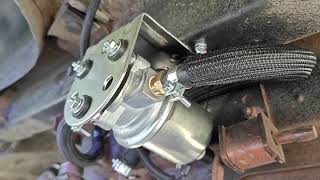
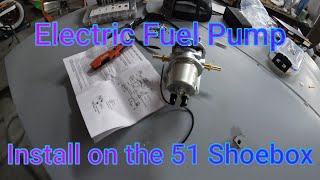
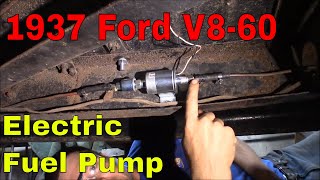
Many classic Ford owners, frustrated with failing mechanical pumps and issues like vapor lock (where fuel boils in the lines on hot days), convert to an external electric fuel pump. Mounting a low-pressure (4-7 PSI) electric pump on the frame rail near the tank pushes fuel more effectively and keeps it away from engine heat. This is a popular and reliable modification for carbureted vehicles.
🎬 See how to install an electric fuel pump on a classic FordFrequently Asked Questions
What is the difference between a 2-port and 3-port fuel pump?
A 2-port pump has a fuel inlet and an outlet to the carburetor. A 3-port pump adds a third line, a return port, that sends excess fuel back to the gas tank. This return line helps prevent vapor lock by keeping cooler fuel circulating through the system. Check your original pump to see which style your specific LTD requires.
Are new mechanical pumps compatible with modern ethanol fuel?
This is a major concern. Modern gasoline with ethanol can degrade the rubber diaphragms in older-style pumps not designed for it, leading to leaks and failure. Reputable brands like Edelbrock, Holley, and Carter generally state their current pumps are made with modern, alcohol-resistant materials. However, this is a primary reason for failure in cheaper, lower-quality pumps.
Do I need a fuel pressure regulator?
For a stock engine with a stock-style replacement pump, you typically do not need a regulator. However, if you install a high-performance pump (like a Holley or Edelbrock) that exceeds the 5-7 PSI pressure limit of your carburetor, a regulator is required to step the pressure down and prevent flooding the engine.
How do I test my current fuel pump?
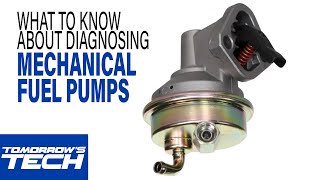
A mechanic can perform a fuel pressure and volume test. A simple DIY check is to disconnect the fuel line from the carburetor and place it in a safe container. Have a helper crank the engine for a few seconds. You should see strong, steady spurts of fuel. If you see a weak trickle or nothing, the pump is likely bad, 🎬 Watch this guide on how to test a mechanical fuel pump or you have a blockage in the line or fuel filter.
Helpful Videos

Technical Specifications
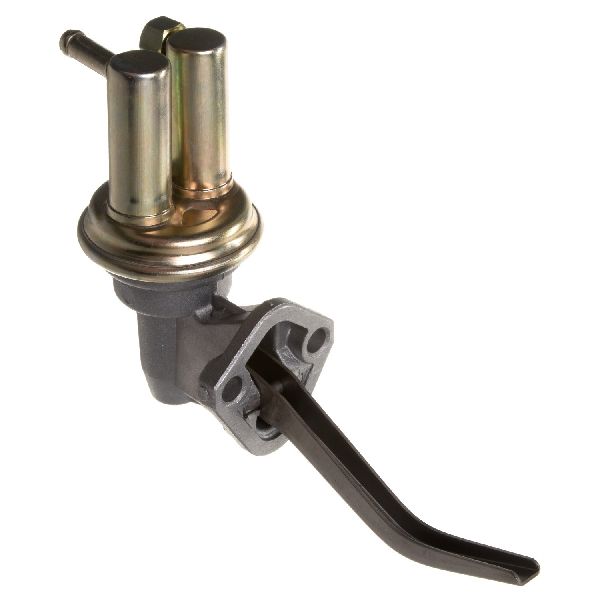
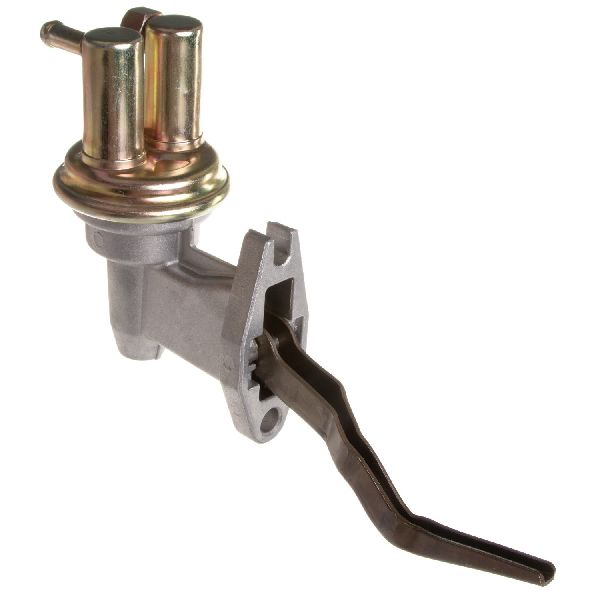
Key specifications are the fuel pressure (PSI) and flow rate (GPH). Stock engines require low pressure, typically 5-7 PSI. The pump is mechanically driven by the camshaft.
We Have This Part in Stock

The information in this article is provided for general reference and educational purposes only. Vehicle specifications, procedures, and part compatibility can vary by production date, trim level, and region. Always consult your vehicle's factory service manual and verify part numbers before purchasing or performing repairs. Safety-critical components such as airbags, seat belts, and braking systems should be installed by a qualified professional.
- 🎬 Helpful Videos
- 🛍️ Shop This Part
- Symptoms of a Failing Fuel Pump
- A Note on Aftermarket Part Quality & Recalls
- Choosing the Right Aftermarket Fuel Pump
- Performance Tier (High-Flow & Heavy-Duty)
- Reliable Replacement Tier (OEM-Style)
- Economy Tier (Value-Focused)
- Pro Tip: Consider an Electric Fuel Pump
- Frequently Asked Questions
- 🎟️ Get 5% Off