

A Ford Ranchero Owner's Guide to 1973-1979 Front Disc Brake Calipers
Get the facts on replacing the front disc brake calipers on your classic sixth or seventh-generation Ranchero.
- For a classic Ranchero, new aftermarket calipers are often a more reliable choice than remanufactured ones due to all-new components.
- Always replace calipers in pairs to ensure safe, balanced braking.
- When replacing calipers, you should also install new flexible brake hoses and fresh brake fluid to prevent future problems.
- Symptoms like pulling to one side, fluid leaks, or a spongy pedal are serious safety concerns that require immediate attention.
Is It Time for New Calipers?
For a classic vehicle like the 1973-1979 Ford Ranchero, brake components wear out from age as much as from mileage. Decades of exposure to heat and moisture can cause caliper pistons to seize or seals to fail. Because these vehicles often sit for extended periods, internal rust can form or seals can dry out, leading to problems once the car is driven again.
Symptoms of a Failing Brake Caliper
Knowing the signs of a bad caliper can save you from a dangerous situation. Look out for these common symptoms:
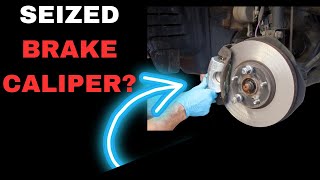
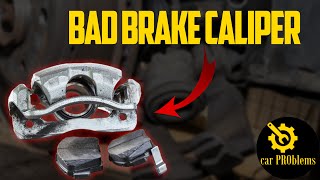
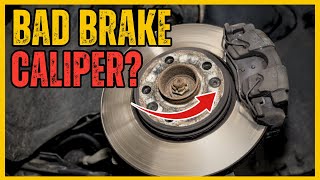
🎬 Watch: 8 signs of a bad caliper and diagnosis tips- Vehicle Pulling to One Side: If the truck pulls to the left or right when you brake, it's a classic sign of a seized or sticking caliper. The car will pull toward the side with the working brake.
- Brake Fluid Leaks: Puddles of fluid on the ground near your front wheels or a greasy-looking wheel are tell-tale signs of a failed caliper seal.
- Spongy or Soft Brake Pedal: If a caliper is leaking fluid, you'll lose hydraulic pressure, making the pedal feel soft or sink towards the floor.
- Dragging Sensation or Burning Smell: A caliper that doesn't release properly will cause the brake pads to drag on the rotor, creating constant friction. This can lead to a noticeable burning smell after a drive and cause the brake pads and rotor to wear out very quickly.
- Uneven Brake Pad Wear: When you inspect your brake pads, if the inner pad is significantly more worn than the outer pad (or vice-versa), it often points to a sticking caliper piston or slide pins.
Critical Safety Warning
A leaking or seized brake caliper is a major safety hazard that severely compromises your ability to stop. Do not drive your Ranchero if you suspect a serious caliper issue.
Choosing the Right Aftermarket Caliper
For a vehicle from the 1970s, finding New Old Stock (NOS) OEM calipers is nearly impossible and very expensive. The most practical and common choice is a quality aftermarket part. These often benefit from modern manufacturing and materials that can be superior to the originals.
New vs. Remanufactured Aftermarket
- New Aftermarket Calipers: These are built from 100% new components. You get a brand-new casting, piston, seals, and hardware. This is often the most reliable choice, as there's no risk of old, fatigued metal or hidden corrosion.
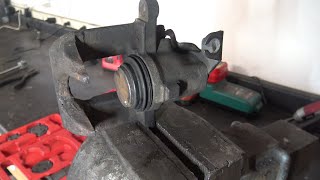
- Remanufactured Aftermarket Calipers: These use the original caliper casting (the "core") which is cleaned, inspected, and rebuilt with new seals, boots, and pistons. 🎬 See how to rebuild your classic Ford disc brakes Brands like BBB Industries specialize in remanufactured parts and can be a cost-effective option. However, the quality can sometimes be inconsistent.
Pro Tip: For a classic car that might not be a daily driver, the reliability of a new aftermarket caliper often outweighs the small cost savings of a remanufactured one. It provides peace of mind knowing every component is fresh.
Available Brands: Quality Check
When shopping for your Ranchero, you'll likely encounter these brands:
- Dynamic Friction (DFC): Often considered a quality aftermarket brand, DFC parts are engineered to meet or exceed original specs. Forum users and reviews note they are a legitimate choice, with some users preferring them for good performance.
- BBB Industries: A major player in the remanufactured parts world, BBB offers a budget-friendly solution. They are a common choice for repairs where cost is a primary factor.
Estimated Replacement Costs
Prices can vary based on your location and the specific part finish (e.g., coated or uncoated). Labor costs are estimates and will differ between shops.
| Part Type | Estimated Cost |
|---|---|
| New Aftermarket Caliper | $40 - $140 per caliper |
| Remanufactured Caliper | $35 - $110 per caliper (plus core charge) |
| Shop Labor | $150 - $300 |
Frequently Asked Questions (FAQ)
Do I have to replace calipers in pairs?
Yes, it is highly recommended. Replacing both front calipers at the same time ensures even braking performance and prevents the vehicle from pulling to one side. Since both calipers are the same age, the other side is likely near failure anyway.
What else should I replace with my calipers?
It is best practice to also replace the brake pads and the flexible brake hoses that connect to the calipers. Old hoses can degrade internally, collapse, and cause the new caliper to stick. You should also flush the entire brake system with fresh DOT 3 brake fluid.
Are there any recalls or factory bulletins for these brakes?
Searches of the NHTSA database and for Technical Service Bulletins (TSBs) did not reveal any specific recalls or widespread issues for the disc brake calipers on the 1973-1979 Ford Ranchero. Most issues today are due to the age and wear of the components.
Is replacing a caliper a good DIY job?
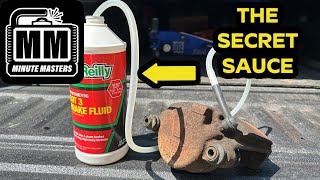
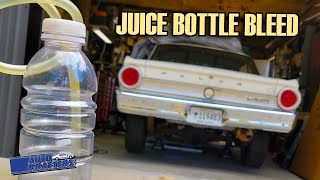
For someone with mechanical experience, yes. The process is straightforward but requires the right tools, including a way to safely lift and support the vehicle. The most critical and potentially difficult part of the job is properly bleeding the air out of the brake system 🎬 Watch: How to bleed brakes by yourself on a classic Ford afterward to ensure a firm pedal and safe operation.
Helpful Videos

Technical Specifications
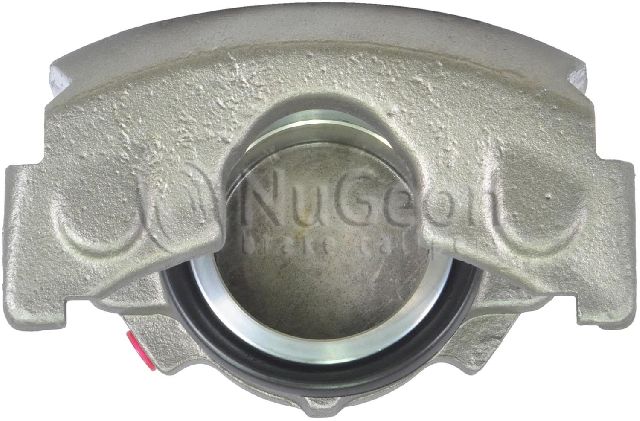
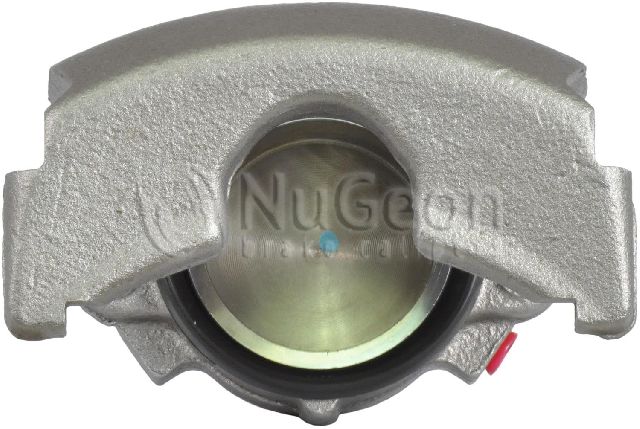
The 1973-1979 Ford Ranchero uses a single-piston, floating-style front disc brake caliper. These vehicles share a platform with other mid-size Fords of the era (like the Torino and LTD II), so many brake components are interchangeable.
We Have This Part in Stock

The information in this article is provided for general reference and educational purposes only. Vehicle specifications, procedures, and part compatibility can vary by production date, trim level, and region. Always consult your vehicle's factory service manual and verify part numbers before purchasing or performing repairs. Safety-critical components such as airbags, seat belts, and braking systems should be installed by a qualified professional.
- 🎬 Helpful Videos
- 🛍️ Shop This Part
- Is It Time for New Calipers?
- Symptoms of a Failing Brake Caliper
- Critical Safety Warning
- Choosing the Right Aftermarket Caliper
- New vs. Remanufactured Aftermarket
- Available Brands: Quality Check
- Estimated Replacement Costs
- Frequently Asked Questions (FAQ)
- 🎟️ Get 5% Off