

Ignition Control Module Guide for the 1973-1979 Pontiac Firebird
Keep your classic Firebird's HEI ignition firing reliably with the right aftermarket module.
- A failing module often causes the engine to stall when hot and restart after cooling down.
- Always use new thermal heat sink compound (not dielectric grease) under the new module to prevent premature failure.
- Replacement is simple, located inside the distributor cap, making it an easy DIY job for most owners.
- Many owners prefer used original GM modules for reliability, but among new parts, Delphi and Standard Ignition are considered dependable choices.
Is Your Firebird's Ignition Module Failing?
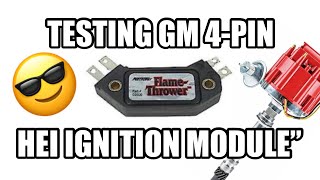
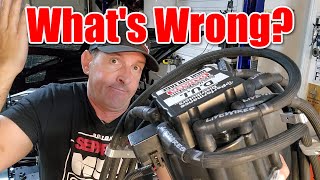
The ignition control module in the 1973-1979 Pontiac Firebird is located inside the distributor, under the cap and rotor. Because it's an electronic part that lives in a hot environment, heat is its biggest enemy. When it starts to fail, the symptoms are often related to heat. A module might work fine when the engine is cold but start causing problems as it warms up. 🎬 Watch: How to test a GM 4-pin module on a bench. Eventually, it will fail completely, leaving you stranded.
Key Symptoms of a Bad Ignition Module:
- No-Start Condition: The engine cranks but won't fire up because there's no spark. This is the most common sign of a completely failed module.
- Stalling When Hot: The engine runs fine for a while, then suddenly dies. After it cools down, it might start up again. This is a classic symptom of a heat-related failure.
- Engine Misfires or Stumbles: The car may run rough, hesitate during acceleration, or misfire, especially as the engine gets hot.
- Tachometer Drops to Zero: If the tachometer suddenly drops to zero while the engine is still turning, it often points to a failure in the ignition module, which provides the signal for the tach.
Critical Component: Heat Sink Grease
You cannot install a new ignition module without applying a special thermal paste (also called heat sink compound) to its metal base. This is NOT the same as dielectric grease. The thermal paste fills microscopic gaps between the module and the distributor housing, allowing heat to transfer away from the module. Skipping this step will cause the new module to overheat and fail very quickly.
Choosing the Right Aftermarket Ignition Module
For a classic car like the 1973-1979 Firebird, finding a new OEM GM module is nearly impossible. The market consists of aftermarket brands. Forum discussions among Pontiac owners show a strong preference for finding a good used, original GM module from a junkyard over many new aftermarket options, citing better longevity. However, when buying new is the only practical choice, brand quality matters.
Aftermarket Brand Tiers:
- Standard Motor Products (Standard Ignition): Often considered a reliable aftermarket choice. They have a long history of producing ignition components.
- Delphi: A well-regarded brand that was once part of GM. They are known for making quality OEM parts for many manufacturers and are a solid choice for an aftermarket replacement.
- Accel: A performance-oriented brand. While some users have success, others report reliability issues with their electronic components, including modules.
- Proform: Generally considered a budget-friendly brand. Some users have reported issues with the quality and longevity of their HEI components.
Pro Tip for Reliability
Many classic car owners carry a spare, known-good ignition module and the necessary tools (usually just a 1/4" or 5.5mm nut driver) in their glove box. A module can be changed in the distributor in about 15 minutes, making it cheap insurance against being stranded.
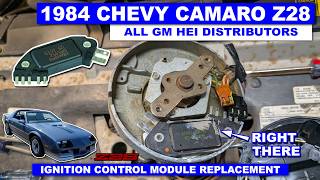
🎬 See this walkthrough on how to replace your HEI module.Cost of Replacing a Firebird Ignition Module
Replacing the ignition module is a very DIY-friendly job. It's located inside the distributor and is held in by two small screws. The low cost of the part and simple installation make it an easy repair for most owners.
| Part or Service | Estimated Cost |
|---|---|
| New Aftermarket Module | $48.75 - $49.28 |
| Shop Labor | $70 - $170 |
| Total (Shop Repair) | $119 - $220 |
| Total (DIY Repair) | $48.75 - $49.28 |
Frequently Asked Questions
Do I need to replace the ignition coil at the same time?
Not necessarily. While they work together, you don't need to replace the coil unless it has also failed. A shop can test the coil's primary and secondary resistance to see if it's within spec. However, if the coil is old, replacing it with the module isn't a bad idea for peace of mind.
Can I test my old ignition module?
Most auto parts stores have a bench tester for ignition modules. It's important to have them test it multiple times (5-6 times in a row) to get it hot. A module that is failing due to heat may pass the test the first couple of times and then fail as it warms up.
What is a GM HEI System?
HEI stands for High Energy Ignition. It was GM's electronic ignition system introduced in the 1970s to replace older points-style ignitions. It's a self-contained system with the ignition coil built into the distributor cap, and the ignition module housed inside the distributor base. It provides a much stronger and more reliable spark.
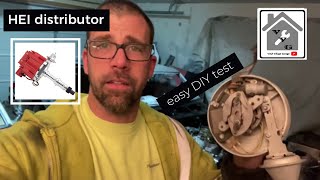
🎬 Watch: A guide to diagnosing and fixing your HEI distributor.Are there any recalls for the 1973-1979 Firebird ignition?
No, searches of the NHTSA database did not find any recalls or technical service bulletins (TSBs) specifically related to the ignition control module for the 1973-1979 Pontiac Firebird. Major GM ignition recalls from the 2000s and 2010s involved newer vehicles and different ignition components.
Helpful Videos

Technical Specifications
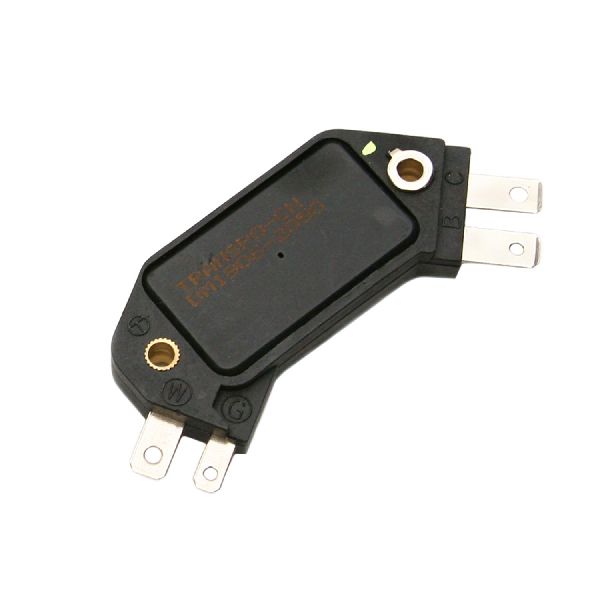
4-Pin HEI Ignition Module
We Have This Part in Stock


The information in this article is provided for general reference and educational purposes only. Vehicle specifications, procedures, and part compatibility can vary by production date, trim level, and region. Always consult your vehicle's factory service manual and verify part numbers before purchasing or performing repairs. Safety-critical components such as airbags, seat belts, and braking systems should be installed by a qualified professional.
- 🎬 Helpful Videos
- 🛍️ Shop This Part
- Is Your Firebird's Ignition Module Failing?
- Key Symptoms of a Bad Ignition Module:
- Critical Component: Heat Sink Grease
- Choosing the Right Aftermarket Ignition Module
- Aftermarket Brand Tiers:
- Pro Tip for Reliability
- Cost of Replacing a Firebird Ignition Module
- Frequently Asked Questions
- 🎟️ Get 5% Off