

Choosing the Right Aftermarket Ignition Coil for Your 1973-1980 Jaguar XJ12
Keep your classic V12 running smoothly with a reliable new ignition coil.
- The 1973-1980 Jaguar XJ12 uses a single ignition coil for all 12 cylinders, making it a critical point of failure that can strand you.
- Common failure symptoms include engine misfires, stalling, hard starting, and a complete no-start condition.
- Modern aftermarket coils from reputable brands like NGK or Standard Ignition can offer superior reliability compared to the original 1970s Lucas part.
- Replacement is simple, inexpensive, and a worthwhile piece of preventative maintenance for any owner of a classic XJ12.
Signs of a Failing Ignition Coil
The ignition system on a classic Jaguar V12 can be sensitive. A failing ignition coil is a common problem and will noticeably affect how your car runs. Because a single coil powers the entire engine, a complete failure will leave you stranded. Look out for these common symptoms:
- Engine Misfires: The engine may hesitate, stumble, or run roughly, especially when you try to accelerate. This happens when the coil doesn't provide enough voltage for a proper spark.
- Hard Starting or No-Start: A weak coil can make the engine difficult to start. A completely failed coil will prevent the engine from starting at all; it will crank but never fire.
- Stalling: The engine might run for a bit and then suddenly cut out. This often happens as the coil gets hot, causing an internal failure. It may restart after it has had time to cool down.
- Reduced Power & Poor Fuel Economy: If the coil isn't producing a strong, consistent spark, your powerful V12 will feel sluggish and you'll notice you're visiting the gas station more often.
- Backfiring: Loud pops from the exhaust can occur when unburned fuel enters the exhaust system because the coil failed to fire the spark plug at the right time.
Choosing the Right Aftermarket Coil
The original ignition systems on these Jaguars were made by Lucas, and while functional, they were products of their time. Modern aftermarket ignition coils can offer significant improvements in reliability and performance. When shopping for a replacement, you're choosing a modern part that often exceeds the original's durability.
Aftermarket Brand Quality Tiers
| Tier | Brands | Our Assessment |
|---|---|---|
| Better | NGK, Standard Ignition (SMP) | NGK and Standard Ignition are well-respected brands known for producing reliable, high-quality ignition components that often meet or exceed original equipment (OE) specifications. They are a trusted choice for reliability. |
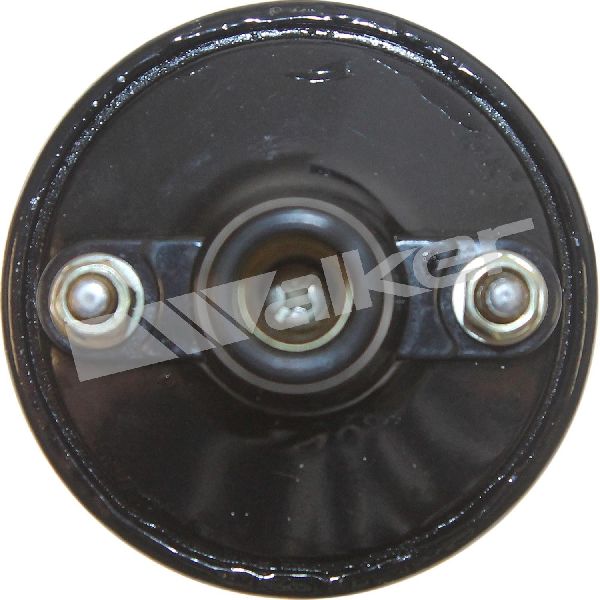
| Good | Holstein, Walker Products | Holstein and Walker are established aftermarket manufacturers that produce a wide range of parts. Their ignition coils are designed to be OE-equivalent replacements, offering a balance of quality and value. |
| Economy | Spectra | Spectra often provides a budget-friendly option. While they can be a viable choice, some user reviews suggest potential for a shorter service life compared to premium brands. |
A Note on Classic Car Electronics
While the original Lucas coils were robust for their era, a 40+-year-old electronic part is always a candidate for replacement. Upgrading to a modern, high-quality aftermarket coil is a sensible piece of preventative maintenance that can improve both reliability and peace of mind.
Frequently Asked Questions
Do I need a special coil for the V12 engine?
Yes, but not in the way you might think. The coil must be compatible with your specific ignition system (e.g., early Opus electronic ignition or later Lucas systems). The key is to ensure the primary resistance of the new coil matches what your system requires. However, direct-fit aftermarket replacements for your specific year are designed to have the correct specifications.
Is an aftermarket coil better than the original Lucas one?
Often, yes. Modern manufacturing techniques and materials mean that a quality aftermarket coil from a brand like NGK or Standard Ignition can be more durable and provide a more consistent spark than a 40-year-old original design.
How do I know my ignition coil is the problem and not something else?
The symptoms of a bad coil overlap with other ignition problems (like a failed distributor cap, rotor, or ignition amplifier). A mechanic can test the coil's primary and secondary resistance with a multimeter to confirm if it's out of spec. However, given the low cost of the part and the commonality of failure, it's often replaced as part of a larger ignition system tune-up.
Are there any recalls for the ignition coil on my XJ12?
No, searches of the National Highway Traffic Safety Administration (NHTSA) database show no recalls specifically for the ignition coil on the 1973-1980 Jaguar XJ12.
Technical Specifications
OEM Part Numbers: DAC6093
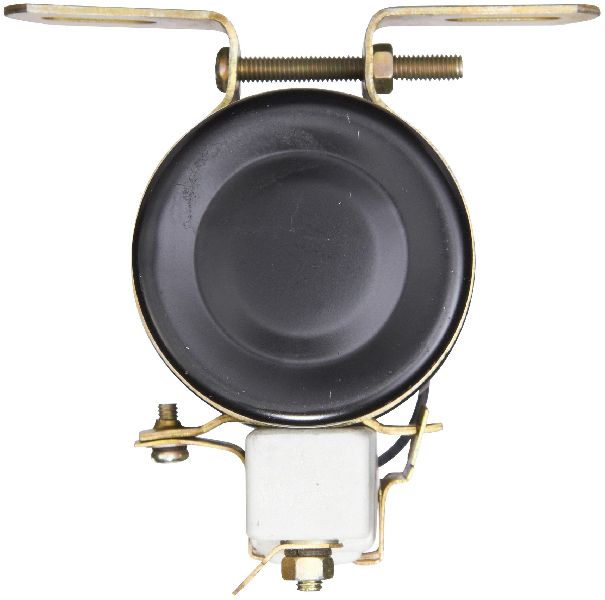
This vehicle uses a single, canister-style ignition coil. Compatibility is determined by the primary resistance required by the specific Lucas ignition system (Opus or later Constant Energy Ignition). Direct-fit aftermarket parts are matched to these specifications.
We Have This Part in Stock


The information in this article is provided for general reference and educational purposes only. Vehicle specifications, procedures, and part compatibility can vary by production date, trim level, and region. Always consult your vehicle's factory service manual and verify part numbers before purchasing or performing repairs. Safety-critical components such as airbags, seat belts, and braking systems should be installed by a qualified professional.