

Choosing Front Disc Brake Pads for Your 1973-1982 Buick Century
Find the right stopping power for your classic Century without the guesswork.
- For most owners, a quality semi-metallic brake pad set from a reputable brand like Wagner, Raybestos, or ACDelco offers the best balance of performance and value.
- Always inspect the brake calipers for leaks and ensure the slide pins move freely. Seized calipers are a common cause of premature pad failure on these cars.
- Replacing the brake rotors at the same time as the pads is highly recommended to ensure optimal braking performance and longevity.
- No major recalls or TSBs are currently active for the front brake pads on these models; maintenance issues are typically age-related.
Signs of Worn Brake Pads
Your classic Buick will tell you when it's time for new brake pads. Ignoring these signs can lead to more expensive repairs, like replacing the brake rotors.
- Squealing or Screeching: A high-pitched noise when you apply the brakes is the most common sign. This is often caused by a small metal tab called a wear indicator, which is designed to make noise when the pads are thin.
- Grinding Noises: A harsh, metallic grinding sound means the brake pad material is completely gone. This is a serious issue where metal is grinding against metal, which can quickly destroy your brake rotors. Stop driving the car and have it inspected immediately.
- Pulling to One Side: If the car veers left or right when braking, it could mean one brake caliper is working harder than the other, possibly due to a seized caliper or unevenly worn pads.
- Spongy or Soft Brake Pedal: If the pedal feels softer than usual or goes further to the floor, it could indicate worn pads or, more seriously, air in the brake lines.
- Longer Stopping Distances: If you notice it's taking longer to stop your car, your brake pads are likely worn out and can't create enough friction.
Choosing the Right Aftermarket Brake Pads
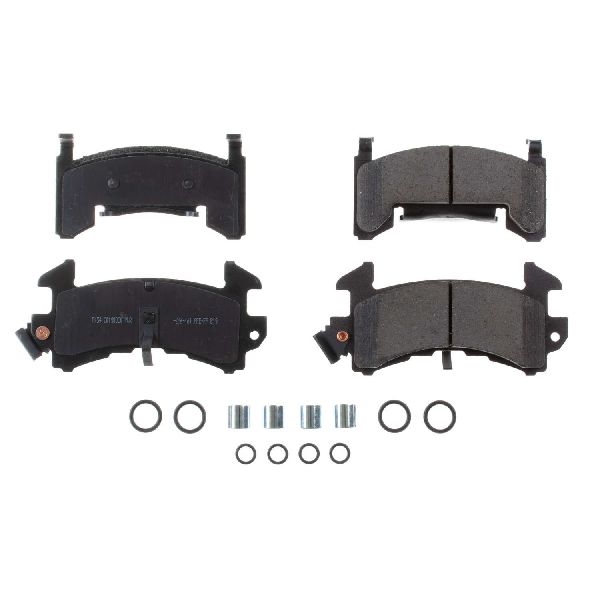
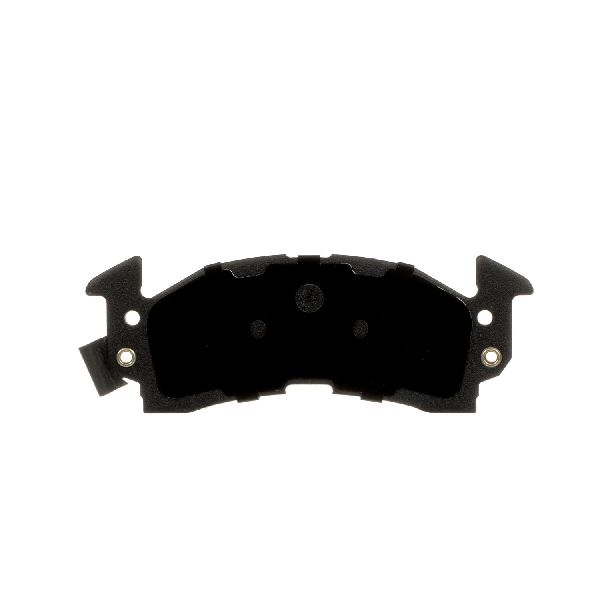
For a vehicle from this era, aftermarket parts are not only common but often provide technology that's superior to the original 1970s design. The original pads were likely asbestos-based, which is no longer used. Modern replacements are typically semi-metallic or ceramic. For the 1973-1982 Century, a semi-metallic pad is often the best all-around choice, offering performance similar to or better than the original design.
Brand & Quality Tiers
Not all brake pads are created equal. Here’s a breakdown of available brands to help you choose:
Tier 1: Daily Driver / Economy
These pads meet or exceed basic factory specifications and are a good choice for general-purpose driving. They offer a great balance of performance and value.
- Brands: Dynamic Friction, Total Stopping Solutions, Centric (standard line)
- Best For: Owners looking for a reliable, affordable replacement for normal commuting and weekend cruising.
Tier 2: OEM-Quality / Standard Replacement
These are trusted, name-brand parts that have been staples in the repair industry for decades. They often provide performance and durability that is equal to or better than the original parts. ACDelco is GM's own parts brand and is a direct equivalent to the original factory part's specifications.
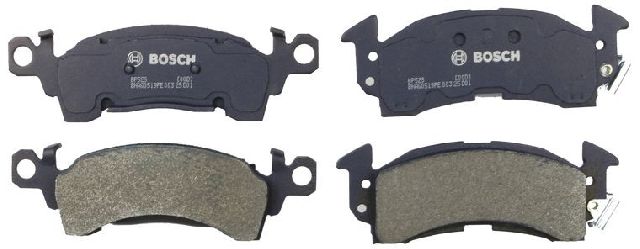
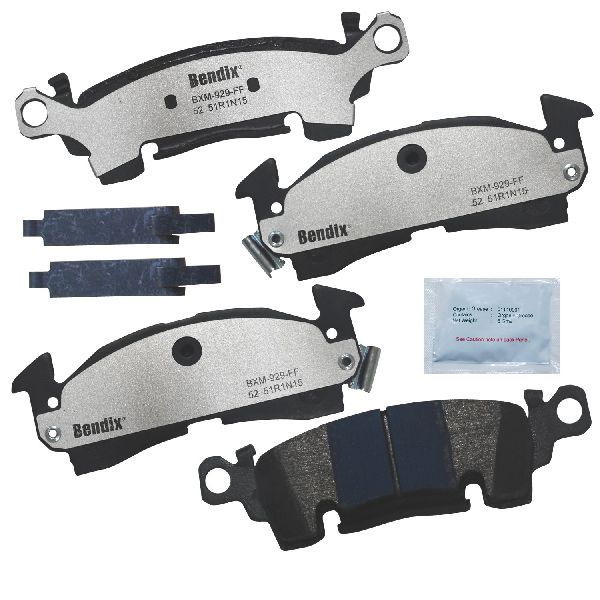
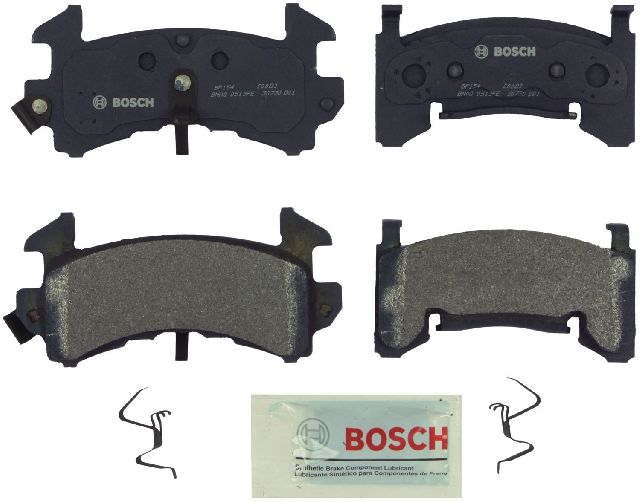
- Brands: Wagner Brakes, Raybestos, Bendix, ACDelco, Bosch
- Best For: The majority of Century owners. These brands offer excellent, quiet stopping power and good pad life for a factory-fresh feel. Semi-metallic options from these brands are a popular choice for classic GM cars.
Tier 3: Performance / Heavy-Duty
These pads are designed for more demanding situations. They use advanced friction materials like carbon-fiber or aggressive semi-metallic compounds to provide higher heat tolerance and more stopping power, often called "bite".
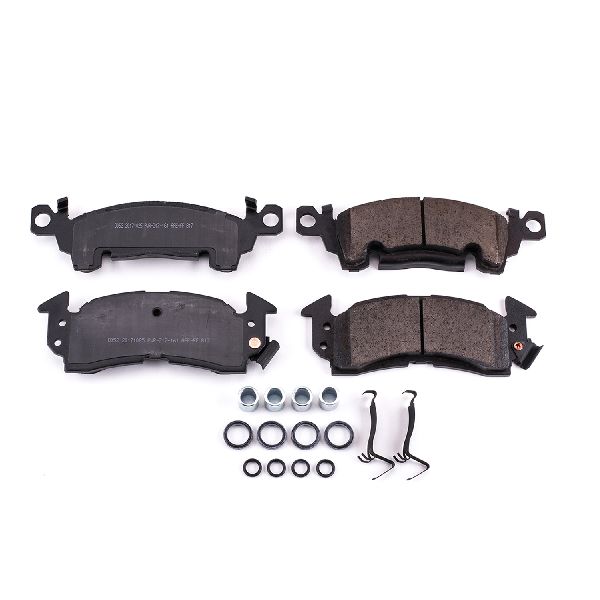
- Brands: Hawk Performance, EBC Brakes, Powerstop
- Best For: Owners with modified engines, those who engage in spirited driving, or who have upgraded to larger wheels and tires. Be aware that performance pads can sometimes produce more dust and may be noisier than standard pads.
Cost at a Glance: Front Disc Brake Pad Set
| Part Tier | Price Range |
|---|---|
| Daily Driver / Economy | $20 - $45 |
| OEM-Quality / Standard | $40 - $85 |
| Performance / Heavy-Duty | $80 - $158 |
Known Issues, Recalls, and Service Bulletins
For a vehicle of this age, most original recalls and technical service bulletins (TSBs) are no longer actively tracked or relevant to new aftermarket parts. A search of the National Highway Traffic Safety Administration (NHTSA) database shows a recall for the 1982 model year related to rear brake hoses, but nothing specific to front disc brake pads for the entire 1973-1982 range. The most common issues reported by owners of classic GM cars from this era are related to seized brake calipers or sticking caliper slide pins, which can cause rapid and uneven pad wear. It is a professional best practice to clean and lubricate the caliper slide pins during any brake pad replacement.
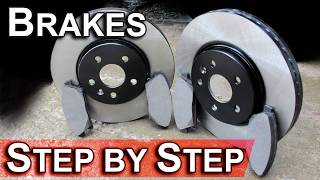
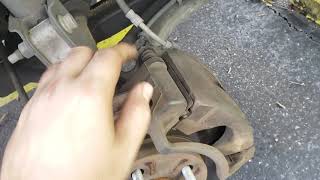
🎬 See a quick guide on changing brakes for a Buick Century.Frequently Asked Questions (FAQ)
Do I need to replace my rotors when I replace my pads?
Not always, but it's highly recommended. If your rotors are thin, warped (causing a pulsation in the pedal), or have deep grooves, they must be replaced. Installing new pads on worn rotors will reduce their effectiveness and lifespan. Given the affordable cost of new rotors for this vehicle, replacing them with the pads is a smart investment.
🎬 Watch this step-by-step guide to changing your brake pads and rotors.What's the difference between semi-metallic and ceramic pads for my Century?
Semi-metallic pads contain metal fibers and offer great performance across a wide range of temperatures, making them a durable and effective choice similar to the original design. Ceramic pads are quieter and produce less dust, but they don't dissipate heat as well and can sometimes be less effective in very cold conditions until they warm up. For most 1973-1982 Century applications, a quality semi-metallic pad is the recommended choice.
What does 'bedding in' new brakes mean?
Bedding-in is a process of several controlled stops to properly transfer a thin, even layer of friction material from the new pads to the rotors. This ensures smooth, quiet, and powerful braking. Most manufacturers provide specific instructions, but it typically involves a series of moderate stops from around 30-40 mph without coming to a complete stop, allowing the brakes to cool in between.
Is special hardware included with the pads?
Most quality brake pad sets come with new retaining clips and sometimes a small packet of specialized grease. It is critical to use these new clips to ensure the pads can move freely and don't make noise.
Helpful Videos
Technical Specifications
Vehicle is equipped with front disc brakes and rear drum brakes. The front system uses a single-piston sliding caliper design.
We Have This Part in Stock

The information in this article is provided for general reference and educational purposes only. Vehicle specifications, procedures, and part compatibility can vary by production date, trim level, and region. Always consult your vehicle's factory service manual and verify part numbers before purchasing or performing repairs. Safety-critical components such as airbags, seat belts, and braking systems should be installed by a qualified professional.
- 🎬 Helpful Videos
- 🛍️ Shop This Part
- Signs of Worn Brake Pads
- Choosing the Right Aftermarket Brake Pads
- Brand & Quality Tiers
- Cost at a Glance: Front Disc Brake Pad Set
- Known Issues, Recalls, and Service Bulletins
- Do I need to replace my rotors when I replace my pads?
- What's the difference between semi-metallic and ceramic pads for my Century?
- What does 'bedding in' new brakes mean?
- Is special hardware included with the pads?
- 🎟️ Get 5% Off