

Aftermarket Radiator Guide for the 1973-1982 Buick Century
Keep your classic Buick's engine cool and prevent overheating with the right replacement radiator.
- For most stock 1973-1982 Buick Centurys, an OEM-quality brand like ACDelco or Spectra is the best value.
- If your engine is modified or you live in a hot climate, consider a performance aluminum radiator from Frostbite or Mishimoto.
- Always verify your engine and transmission type before ordering to ensure the new radiator has the correct hose connections and transmission cooler fittings.
- Save time and money by replacing the radiator cap, thermostat, and coolant hoses at the same time as the radiator.
Signs of a Failing Radiator in Your Buick Century
Radiators on classic cars like the 1973-1982 Buick Century fail due to age, corrosion, and clogs. Look for these clear signs that it's time for a replacement.
- Engine Overheating: The most obvious sign. If your temperature gauge is in the red, your radiator may not be cooling effectively.
- Coolant Leaks: Puddles of green or orange fluid under the front of your car mean something is leaking. Check the radiator for visible cracks or corrosion, especially around the seams and tanks.
- Visible Corrosion or Damaged Fins: Look for rust on the outside of the radiator. Bent or clogged fins can block airflow and reduce cooling.
- Steam from Under the Hood: If you see steam, it's likely hot coolant escaping the system from a crack or leak. Pull over immediately if this happens.
Choosing the Right Aftermarket Radiator
For a vehicle of this age, a new OEM radiator from Buick is not a realistic option. Aftermarket parts are your best bet, and the quality is often as good or even better than the original brass/copper units. Your choice depends on your budget and how you use your Century.
Aftermarket Brand Tiers
| Tier | Brands | Best For |
|---|---|---|
| Performance / Heavy-Duty | Frostbite, Mishimoto | Owners with modified engines, those who live in hot climates, or anyone needing maximum cooling. These are typically all-aluminum, which is lighter and cools more efficiently than the original brass style. They are also the most expensive option. |
| OEM-Quality Replacement | ACDelco, Spectra | The best choice for most owners. These brands provide a reliable, direct-fit replacement that meets or exceeds original specifications without the high cost of a performance unit. They are a popular choice for daily drivers and restorations. |
| Economy | APDI, Global Parts, Onix, One Stop Solutions | These brands offer a cost-effective solution to get your Century back on the road. They are a good choice for budget-conscious repairs or for cars that are not driven frequently. |
Check Your Transmission Type!
Most 1973-1982 Buick Centurys have an automatic transmission. These require a radiator with a built-in transmission oil cooler. When ordering, make sure the radiator has the correct cooler line fittings. Using a radiator without this feature will cause severe transmission damage.
Cost of a New Aftermarket Radiator
The price you pay will depend on the brand and construction. Basic replacements are affordable, while high-performance aluminum models cost significantly more.
| Part Type | Estimated Cost |
|---|---|
| New Aftermarket Radiator | $57.99 - $449.95 |
| Shop Labor for Installation | $150 - $300 |
What Else Should I Replace?
When you replace your radiator, it's the perfect time to inspect and replace other cooling system parts. Since the system will be drained, you can save on future labor costs. Consider replacing the radiator cap, thermostat, and all radiator and heater hoses. These parts are inexpensive and wear out over time.
Frequently Asked Questions
Can I install a new radiator myself?
Yes, for a mechanically inclined owner, this is a very doable DIY job. The process on a classic car like the Century is straightforward and doesn't require highly specialized tools. It involves draining the coolant, disconnecting hoses and cooler lines, unbolting the old radiator, and installing the new one in reverse order.
Do I need a multi-row aluminum radiator?
For a stock engine in a temperate climate, a standard single-row or two-row OEM-quality replacement is usually sufficient. However, if you have a larger V8 (like the 455), have modified your engine for more power, or live in a very hot area, upgrading to a 2, 3, or even 4-row aluminum radiator from a brand like Frostbite is a good investment for better cooling performance.
Are there any recalls for the radiator on my 1973-1982 Buick Century?
No. There are no specific recalls or Technical Service Bulletins (TSBs) from the NHTSA related to the radiator for this vehicle generation. Any failures are due to the part's age and normal wear and tear.
What's the difference between a downflow and crossflow radiator?
It refers to the direction coolant flows. In a downflow radiator, coolant enters the top and flows down to the bottom outlet. In a crossflow radiator, it enters one side and flows across to the other. Many classic GM cars used downflow designs, but crossflow is often more efficient. The most important thing is to get a radiator designed to fit your specific year and model.
Technical Specifications
Radiator specifications vary significantly by year, engine (V6, V8), and transmission type (automatic/manual). Key factors are core dimensions, inlet/outlet hose locations and diameters, and the presence of a transmission oil cooler. Always confirm fitment for your specific vehicle configuration.
We Have This Part in Stock
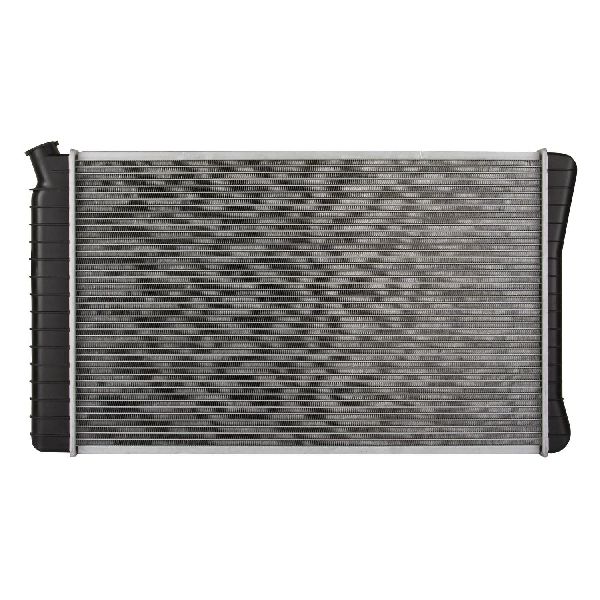
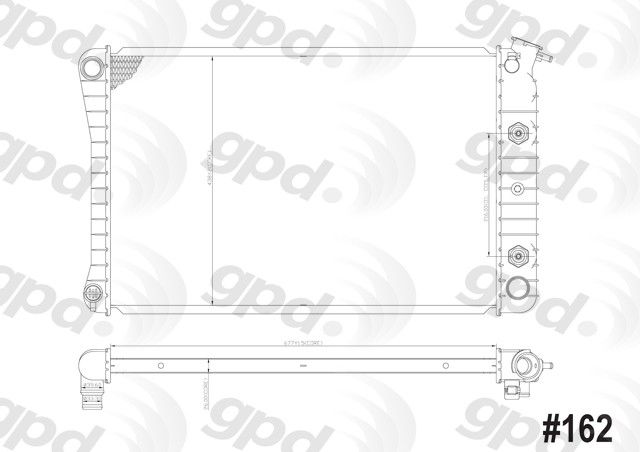
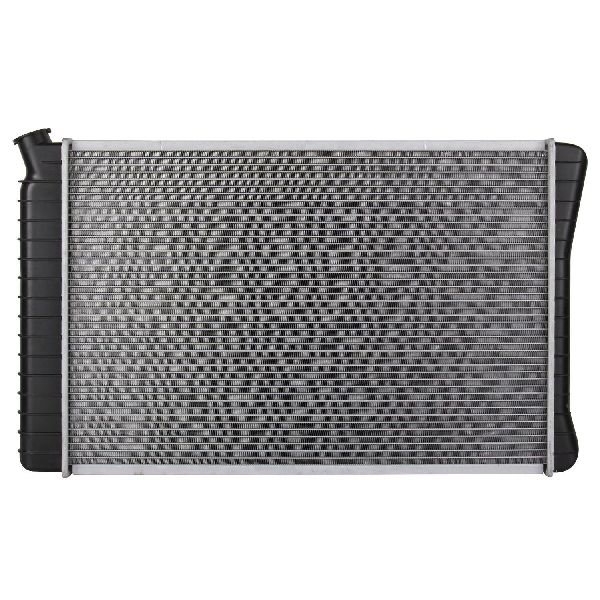


The information in this article is provided for general reference and educational purposes only. Vehicle specifications, procedures, and part compatibility can vary by production date, trim level, and region. Always consult your vehicle's factory service manual and verify part numbers before purchasing or performing repairs. Safety-critical components such as airbags, seat belts, and braking systems should be installed by a qualified professional.