

Choosing the Right Starter Motor for Your 1973-1982 Buick Century
Solve common starting problems like slow cranking and heat soak with the correct new starter.
- You must identify your specific engine (Buick, Chevy, Olds V6/V8) before ordering to ensure correct fitment.
- Heat soak is a very common problem; a high-torque mini-starter is the most effective upgrade to solve it.
- Proper installation is critical and may require using shims to get the correct gear alignment, a common need on 1970s GM vehicles.
- Symptoms like a single click or slow hot cranking point directly to a failing starter, not just a bad battery.
Is Your Buick Century Starter Failing?
A failing starter rarely dies without warning. For a classic car like the 1973-1982 Buick Century, the symptoms are often mistaken for a bad battery. Knowing the signs can save you from being stranded.
- Single Loud Click, Then Nothing: You turn the key and hear one sharp "click" from under the hood, but the engine doesn't crank. This often means the starter solenoid is engaging, but the motor itself isn't turning.
- Slow, Labored Cranking: The engine turns over very slowly, as if the battery is weak. This is a classic symptom, especially when the engine is hot.
- Grinding or Whirring Noises: A loud grinding sound during or after cranking can indicate that the starter's gear is not meshing correctly with the flywheel, or that the teeth on either component are damaged.
- Intermittent Starting: The car starts fine sometimes but fails to crank at other times. This can be an early sign of worn internal components in the starter motor.
Vehicle-Specific Issue: Heat Soak
One of the most common complaints for this generation of GM vehicles, especially those with V8 engines, is heat soak. This happens when the starter, located close to the hot exhaust manifold, absorbs so much heat that its internal electrical resistance increases. The result is slow cranking or a no-start condition when the engine is hot, like after stopping for gas on a summer day. While it may start fine once it cools down, this is a clear sign you need a better solution.
Choosing the Right Aftermarket Starter
For a vehicle from this era, new Original Equipment (OEM) parts are generally not available. The aftermarket offers a wide range of solutions, from direct-fit replacements to significant upgrades. Your choice depends on your budget and your car's needs.
Brand & Quality Tiers
Tier 1: Standard Replacement (Good)
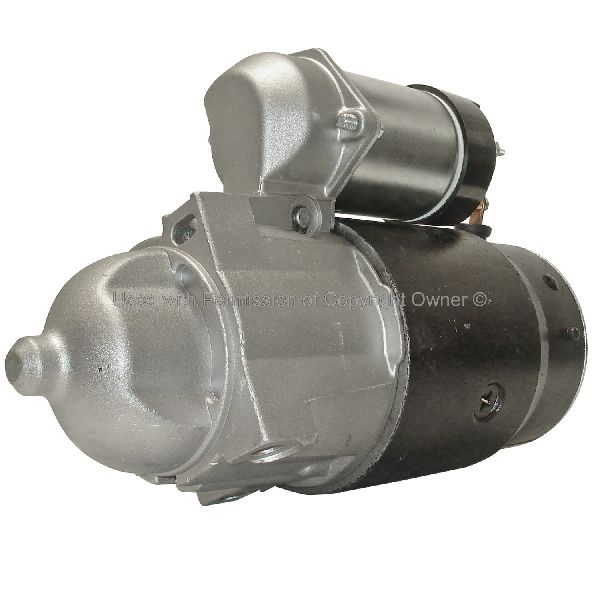
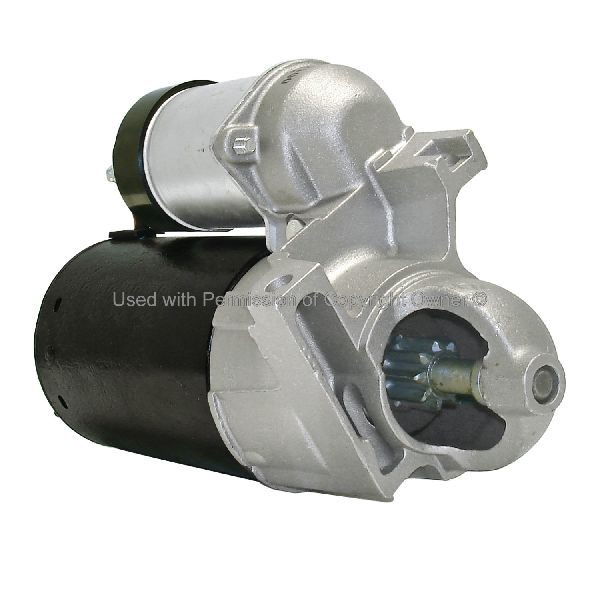
Brands like MPA (Motor Parts of America) offer remanufactured starters that serve as a direct, budget-friendly replacement for the original. These are built to meet factory specifications and are a good choice for a stock vehicle that is not experiencing severe heat soak issues. MPA highlights features like new bushings and high-quality lubricants in their remanufacturing process.
Tier 2: Premium OE-Style Replacement (Better)
ACDelco's Professional line is widely considered a top-tier, factory-equivalent replacement. These starters are often remanufactured to strict GM standards, with new components like brushes and solenoids to ensure reliability. For an owner seeking peace of mind and OE-level performance without modifications, an ACDelco Professional starter is a very strong choice.
Tier 3: High-Torque Mini-Starters (Best Upgrade)
Brands like Powermaster, Proform, and MSD specialize in high-torque, gear-reduction starters, often called "mini-starters." These are a popular upgrade for several reasons:
- More Power: They use a gear-reduction design to produce more cranking torque with less electrical draw, making them ideal for high-compression engines or solving slow-crank issues.
- Better Heat Resistance: Their smaller size provides more clearance from hot exhaust headers, and their efficient design makes them less susceptible to heat soak. Many owners install these specifically to solve hot-start problems.
- Lighter Weight: They are significantly smaller and lighter than the bulky original starter.
Common Ordering Mistakes
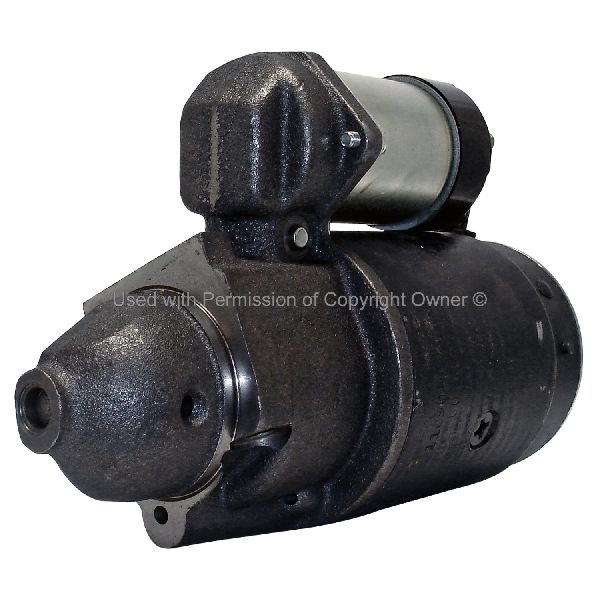
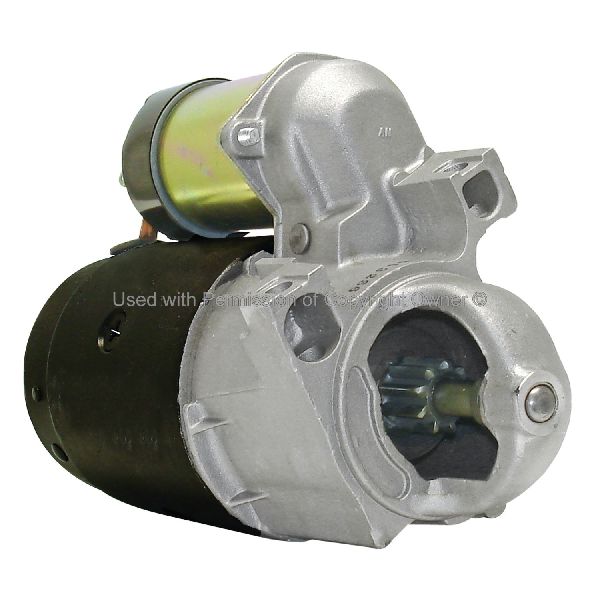
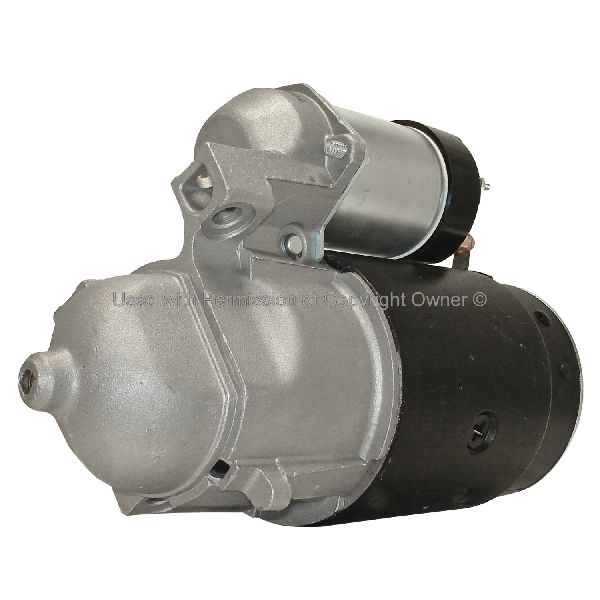
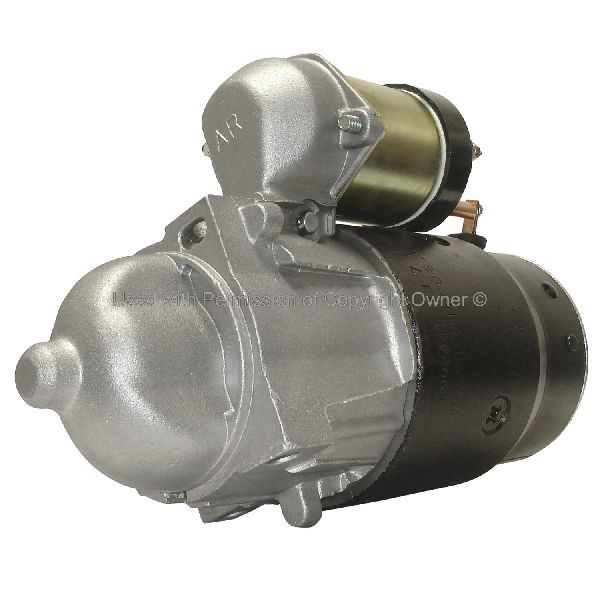
The 1973-1982 Buick Century used a variety of engines from Buick, Chevrolet, and Oldsmobile. Starters are NOT one-size-fits-all. The mounting bolt pattern can be straight across or staggered, and the flywheel can have a different number of teeth. Before ordering, you must know your Century's specific engine (e.g., Buick 350 V8, Chevy 305 V8, etc.) to ensure you get a starter with the correct mounting block and pinion gear.
| Part Type | Estimated Cost |
|---|---|
| New Aftermarket (Standard) | $62 - $150 |
| New Aftermarket (High-Torque) | $150 - $385 |
| Shop Labor | $120 - $250 |
Frequently Asked Questions (FAQ)
Do I really need to use shims?
Yes, possibly. Proper gear mesh between the starter pinion and the flywheel is critical. Some GM engine blocks from the 1970s were known to have starter mounting pads that were not perfectly machined, requiring shims for correct alignment. Always check the clearance after installing a new starter. Most replacement starters come with instructions and a gauge (like a paperclip) to help you set the correct gap.
What's the difference between a regular starter and a high-torque mini-starter?
A regular starter is a direct-drive unit, like the original. A high-torque mini-starter uses an internal gear reduction system to multiply the motor's torque, allowing a smaller, more efficient motor to crank the engine with more force. This is a significant advantage for overcoming heat soak or starting high-compression engines.
Can a bad starter drain my battery?
Yes. A failing starter with high internal resistance can draw excessive current from the battery every time you try to start the car, which can drain the battery quickly. What seems like a bad battery might actually be a bad starter killing a good battery.
Will a heat shield or wrap fix my hot-start problem?
It can help. Insulating wraps and shields are designed to protect the starter from exhaust heat. Many owners find success with them. However, if the starter is already old and weak, a heat shield is only a temporary fix. Combining a new high-torque starter with a heat shield is the most robust solution for severe heat soak problems.
Technical Specifications
Varies significantly based on the specific engine in the vehicle. Most applications use a 12-volt starter with a 9-tooth pinion gear. Bolt patterns can be staggered or in-line. It is critical to match the part to the exact engine and model year.
We Have This Part in Stock

The information in this article is provided for general reference and educational purposes only. Vehicle specifications, procedures, and part compatibility can vary by production date, trim level, and region. Always consult your vehicle's factory service manual and verify part numbers before purchasing or performing repairs. Safety-critical components such as airbags, seat belts, and braking systems should be installed by a qualified professional.