

A/C Compressor Guide for the 1974-1977 Mazda Rotary Pickup
Everything a REPU owner needs to know before replacing their truck's A/C compressor.
- No OEM parts are available; you will be buying a new aftermarket compressor from a brand like Four Seasons or Global Parts.
- For a successful and lasting repair, you MUST also replace the receiver/drier and expansion valve, and flush the entire system.
- While you can install the parts, final system evacuation and recharge require special equipment and must be done by a professional.
- Check for simpler issues like fuses or low refrigerant before assuming the compressor has failed.
Is Your REPU's A/C Blowing Warm?
When the air conditioning in your 1974-1977 Mazda Rotary Pickup (REPU) stops blowing cold, the A/C compressor is a common suspect. This part works hard, and after decades of service, failure is common. Symptoms can range from a gradual loss of cooling to a sudden failure. Understanding the signs can help you diagnose the problem correctly before buying parts.
Symptoms of a Failing A/C Compressor
- Warm Air: The most obvious symptom. If the system is charged with refrigerant but the air from the vents is not cold, the compressor may not be engaging or pressurizing the refrigerant.
- Visible Leaks: The compressor has seals that can fail over time. You might see a greasy, oily residue on the compressor body or on the fittings where the A/C lines connect. This is refrigerant oil leaking out.
- Strange Noises: Grinding, squealing, or rattling sounds when you turn the A/C on can indicate failing bearings or internal components inside the compressor.
- Clutch Not Engaging: The compressor's clutch is the outer part of the pulley. When you turn on the A/C, it should 'click' and start spinning with the pulley. If it remains stationary while the engine is running and the A/C is on, the clutch or the compressor itself may have failed.
Pro Tip: It Might Not Be the Compressor
Before you replace the compressor, make sure the problem isn't something simpler. A blown fuse, a bad relay, a loose electrical connection, or low refrigerant levels due to a leak elsewhere can also prevent the compressor from working. It's wise to have a professional diagnose the system to confirm the compressor is the actual point of failure.
Choosing the Right Aftermarket Compressor
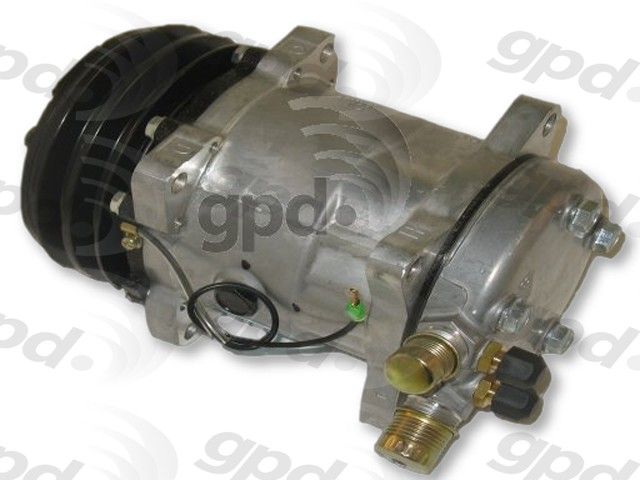
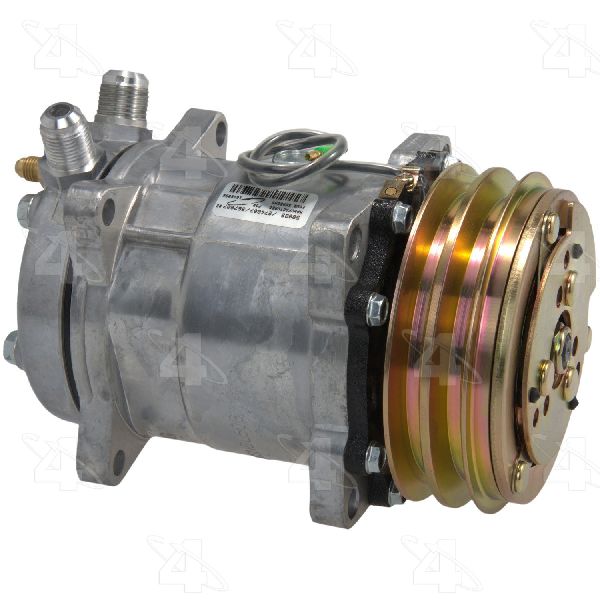
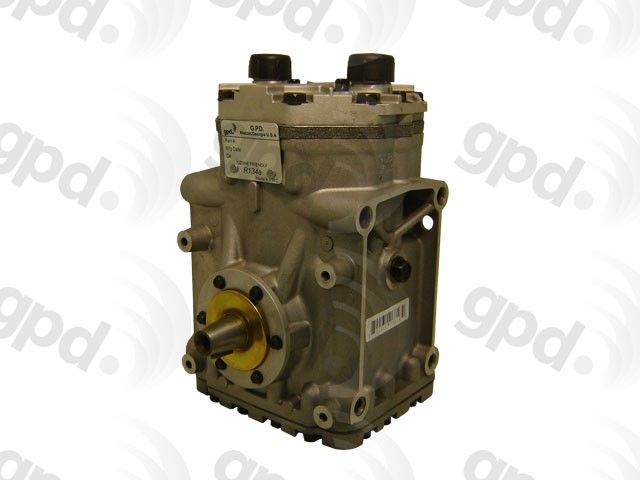
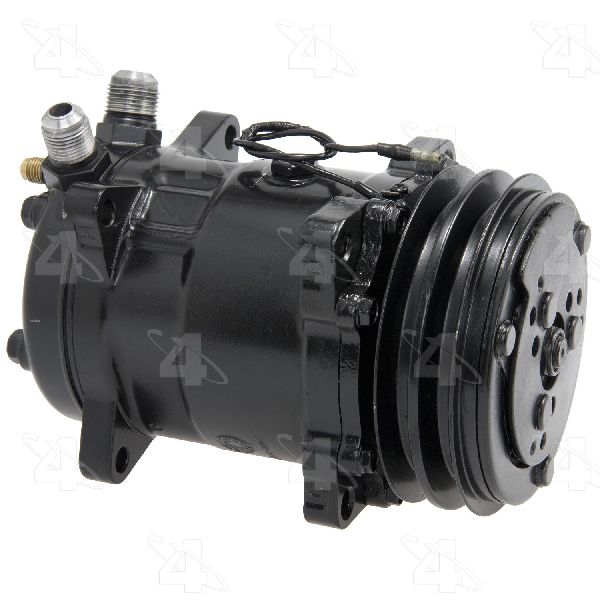
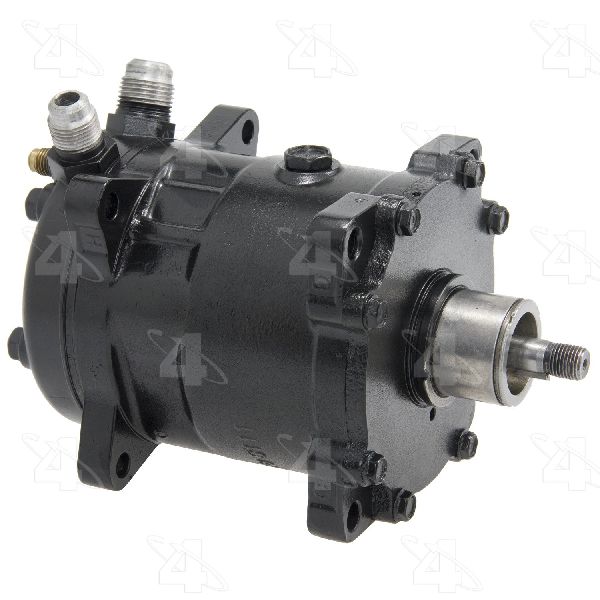
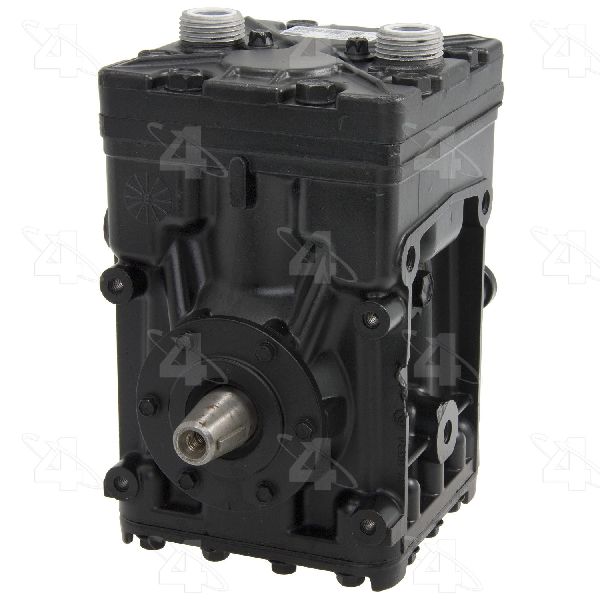
For a vintage truck like the REPU, finding a new Original Equipment (OEM) compressor is nearly impossible. The market consists of new aftermarket parts. The two main brands you will find are Four Seasons and Global Parts (GPD). Some listings indicate that these aftermarket units are based on the reliable Sanden SD508 model design.
Brand Quality & Reputation
When shopping for an aftermarket compressor, it's important to have realistic expectations. Reviews for both Four Seasons and GPD are mixed.
- Four Seasons: Often praised for its affordability and wide availability for classic vehicles. Some users report good fit and function, while others have experienced premature failures or have received units with the incorrect oil charge.
- Global Parts (GPD): GPD is a large aftermarket manufacturer and states that its compressors are leak-tested and pre-charged with the correct amount of oil. However, some user reviews in forums mention issues with longevity, including clutch failure within a year.
Ultimately, for a vehicle of this age, both brands offer a viable path to getting your A/C working again. The key to longevity is not just the compressor itself, but the installation process.
Crucial Installation Steps for Longevity
A new compressor will fail quickly if the rest of the system isn't properly serviced. When you replace the compressor, you must also replace the A/C Receiver Drier (also called an accumulator) and the expansion valve. You must also flush the entire A/C system to remove any old oil and debris from the previous failed compressor. Failure to do these steps will contaminate the new compressor and void its warranty.
Cost of Replacing a Mazda REPU A/C Compressor
Here is a general breakdown of what to expect in terms of cost. Prices are estimates and can vary by supplier and location.
| Part / Service | Estimated Cost | Notes |
|---|---|---|
| New Aftermarket Compressor | $130 - $400 | Price depends on the brand and whether it's part of a kit. |
| New OEM Compressor | Not Available | OEM parts for this vehicle are no longer in production. |
| Receiver/Drier & Expansion Valve | $40 - $80 | These parts are mandatory replacements for a successful repair. |
| Shop Labor & System Recharge | $250 - $500 | Includes system evacuation, flush, and recharge with refrigerant. Labor rates vary. |
| Total Estimated Cost | $420 - $980 | This reflects a professional installation. |
Frequently Asked Questions (FAQ)
Are there any recalls or TSBs for the 1974-1977 REPU A/C compressor?
No. There are no official recalls or Technical Service Bulletins (TSBs) from Mazda or the NHTSA related to the A/C compressor for this truck. This is typical for a vehicle of this vintage.
Can I install the compressor myself?
While you can physically bolt the compressor on yourself, the A/C system requires specialized equipment. It is illegal to release refrigerant into the atmosphere. The system must be professionally evacuated before opening it and then vacuum-tested and recharged after the parts are installed. For most owners, this job is best left to a professional A/C shop.
Do these new compressors come with oil?
Yes, new aftermarket compressors typically come pre-charged with PAG oil. However, it is critical to verify the amount and type of oil are correct for your REPU's system, especially if you are converting from the original R12 refrigerant to R134a. Always follow the instructions included with the new compressor.
Should I buy a compressor kit?
Yes, if available. A kit often includes the compressor, receiver/drier, expansion valve, and necessary O-rings. Buying a kit ensures you have all the mandatory replacement components and can sometimes be more cost-effective than buying each part separately.
Technical Specifications
Aftermarket compressors are often based on the Sanden SD508 model design. They typically come pre-charged with PAG oil and include O-rings for installation. Pulley diameter is approximately 5.25 inches.
We Have This Part in Stock

The information in this article is provided for general reference and educational purposes only. Vehicle specifications, procedures, and part compatibility can vary by production date, trim level, and region. Always consult your vehicle's factory service manual and verify part numbers before purchasing or performing repairs. Safety-critical components such as airbags, seat belts, and braking systems should be installed by a qualified professional.
- 🛍️ Shop This Part
- Is Your REPU's A/C Blowing Warm?
- Symptoms of a Failing A/C Compressor
- Pro Tip: It Might Not Be the Compressor
- Choosing the Right Aftermarket Compressor
- Brand Quality & Reputation
- Crucial Installation Steps for Longevity
- Cost of Replacing a Mazda REPU A/C Compressor
- Frequently Asked Questions (FAQ)
- 🎟️ Get 5% Off