

Ignition Coil Guide for the 1974-1978 Chevrolet Caprice
Keep your classic Caprice running smoothly by understanding its HEI ignition coil.
- Your 1974-1978 Caprice uses an in-cap HEI ignition coil, which is known to fail from engine heat.
- Symptoms like stalling when hot, misfiring, and hard starting are common signs of a bad coil.
- For a stock engine, a reliable OEM-quality brand like Standard Ignition or NGK is a better choice than a high-performance coil.
- Consider replacing the ignition module, distributor cap, and rotor at the same time for a complete and reliable repair.
Understanding Your Caprice's Ignition System
The 1974-1978 Chevrolet Caprice was part of a major transition for General Motors. Starting in 1974 and becoming standard by 1975, GM rolled out the High Energy Ignition (HEI) system, replacing the older, high-maintenance points-and-condenser systems. For most owners of a Caprice from this era, your car will have an HEI distributor. A key feature of this design is the integrated ignition coil, which sits conveniently inside the distributor cap. This was a big improvement, but the constant exposure to engine heat is the primary reason these coils eventually fail.
Signs of a Failing Ignition Coil
When an ignition coil starts to go bad, the symptoms are hard to ignore and directly affect your car's performance. Because a failing coil often struggles when it gets hot, many of these issues may appear after the car has been running for a while. Look out for these common signs:
- Engine Stalling When Hot: This is a classic symptom for an HEI coil. The engine runs fine when cold, but stalls after it warms up and may not restart until it has cooled down.
- Misfires and Rough Idle: The engine may shake, sputter, or run poorly, especially when idling or accelerating. This is caused by a weak or inconsistent spark.
- Hard Starting or No-Start: The engine cranks over but struggles to fire up, or won't start at all, because the spark plugs aren't getting enough voltage.
- Poor Fuel Economy: When the spark is weak, the engine's computer may try to compensate by using more fuel, causing you to fill up more often.
- Backfiring: Loud popping from the exhaust can occur when unburned fuel ignites in the hot exhaust pipes.
A Note on the Ignition Module
Inside the HEI distributor, right next to the coil, is the ignition control module. This part can fail from heat just like the coil and will produce the exact same symptoms. Many mechanics recommend replacing the ignition module and ignition coil at the same time, as the failure of one can stress and damage the other. When replacing the module, it is critical to apply a new layer of thermal paste to help it dissipate heat.
Choosing the Right Aftermarket Ignition Coil
Since new original GM parts for this vehicle are no longer made, you will be choosing from aftermarket brands. Modern aftermarket parts from good brands are often built to higher standards than the originals from the 1970s. Here’s how the available brands generally stack up:
- Performance Brands (MSD, Accel): These brands are well-known in the hot rod and racing world. They offer high-output coils that produce a stronger spark (e.g., 45,000+ volts), which can be beneficial for engines with performance modifications. For a stock Caprice, a performance coil is usually not necessary, but they are a high-quality option. Reviews show MSD is often praised for reliability, while some users report quality control issues with newer Accel products.
- OEM-Quality Brands (Standard Ignition, NGK, Hitachi): These brands have a strong reputation for producing reliable, durable parts that meet or exceed original specifications. For a daily driver or a stock restoration, a coil from one of these manufacturers is an excellent and dependable choice. They are often the preferred brand for professional mechanics when an original part isn't available.
- Economy Brands (DriveWire, Global Parts, WAI Global, Walker Products): These brands provide a budget-friendly option. While they will get your car running, they may not offer the same long-term durability or performance as the higher-tiered brands. They can be a good choice for a car that is not driven frequently or when budget is the main concern.
Pro Tip: Complete the Tune-Up
Since you'll have the distributor cap off to replace the coil, it's the perfect time to also replace the distributor cap and rotor. These components are inexpensive and wear out over time. A new cap and rotor will ensure that the strong spark from your new coil reaches the spark plugs without any issues.
Cost to Replace a 1974-1978 Caprice Ignition Coil
| Part/Service | Estimated Cost |
|---|---|
| New Aftermarket Ignition Coil | $25 - $152 |
| Shop Labor | $50 - $100 |
| Total Estimated Cost | $75 - $252 |
Frequently Asked Questions
Can I replace the ignition coil myself?
Yes, this is a very easy DIY job for most skill levels. The coil is located inside the distributor cap. The process involves removing the cap, unplugging a few wires, and removing two screws that hold the coil in place. It typically takes less than 30 minutes with basic hand tools.
Do I need a high-performance coil like MSD or Accel?
For a stock engine, you do not need a high-performance coil. A quality standard replacement from a brand like Standard Ignition or NGK will provide a strong, reliable spark for normal driving. Performance coils are best for engines that have been modified with things like a bigger carburetor, performance camshaft, or aftermarket cylinder heads.
What is the difference between an in-cap HEI coil and an external canister coil?
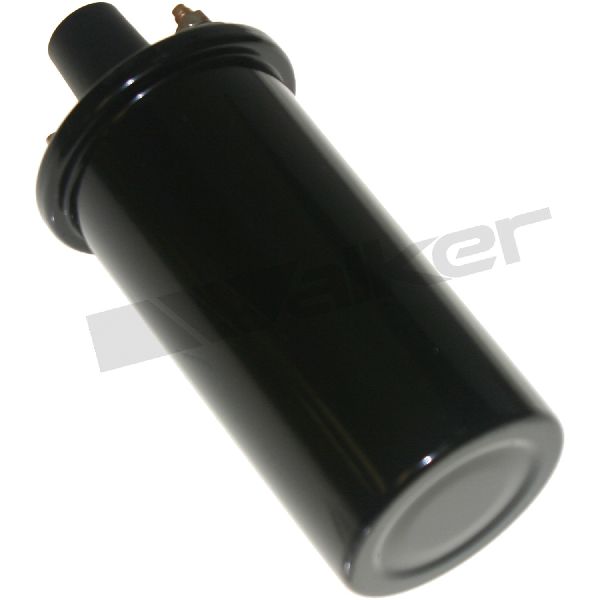
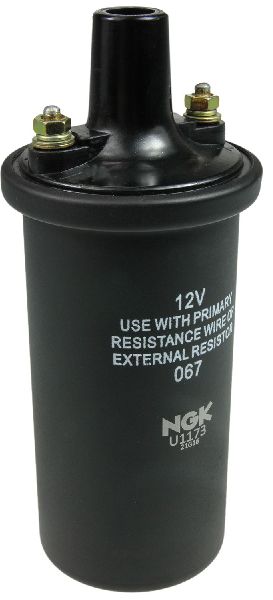
Your 1974-1978 Caprice should have an in-cap HEI coil. This design integrates the coil into the distributor cap. Older cars used a separate, canister-shaped coil that was mounted on the firewall or intake manifold. While some people convert to an external coil setup, your stock system uses the in-cap design.
Are there any recalls for the ignition coil on a 1974-1978 Caprice?
No, there are no specific recalls for the ignition coil or HEI system on the 1974-1978 Chevrolet Caprice. Any recalls for these vehicles would be long expired.
Technical Specifications
The primary ignition system for this vehicle is the GM High Energy Ignition (HEI) system, which uses an in-cap ignition coil. Aftermarket performance coils may advertise higher voltage output (e.g., 45,000V) compared to stock replacements.
We Have This Part in Stock


The information in this article is provided for general reference and educational purposes only. Vehicle specifications, procedures, and part compatibility can vary by production date, trim level, and region. Always consult your vehicle's factory service manual and verify part numbers before purchasing or performing repairs. Safety-critical components such as airbags, seat belts, and braking systems should be installed by a qualified professional.