

Ford Mustang II Distributor Cap Replacement Guide (1974-1978)
Everything a Mustang II owner needs to know about choosing and replacing a worn-out distributor cap.
- Confirm your engine (4-cyl, V6, or V8) before ordering a new cap, as they are not interchangeable.
- A bad distributor cap causes symptoms like misfires, rough idling, hard starting, and stalling.
- For reliability, choose a cap with brass terminals over aluminum. Brands like Standard Ignition and MSD are excellent choices.
- Always replace the distributor rotor at the same time as the cap; it's a simple, inexpensive part that wears out just as quickly.
Signs of a Failing Distributor Cap
When a distributor cap starts to fail, it can cause a number of engine problems. The plastic can crack, moisture can get inside, and the metal terminals can corrode or wear down. Any of these issues can prevent a strong spark from reaching the spark plugs.
Common symptoms include:
- Engine Misfires: The engine may stumble or hesitate, especially when you accelerate.
- Rough Idle: Your car might shake or vibrate more than usual when stopped.
- Hard Starting: It may take longer than normal for the engine to start, or it might crank but not fire up at all.
- Stalling or Backfiring: The engine could stall unexpectedly or you might hear popping sounds from the exhaust.
- Visible Damage: If you look at the cap, you might see cracks, white or green corrosion on the terminals, or black carbon tracks on the inside.
Choosing the Right Aftermarket Distributor Cap
For a classic vehicle like the 1974-1978 Mustang II, new original Ford (OEM) parts are no longer available. The good news is that the aftermarket offers a wide range of quality replacements. When choosing a new cap, the most important factors are the material quality and ensuring it matches your specific engine.
Check Your Engine
The 1974-1978 Mustang II was available with a 2.3L 4-cylinder, a 2.8L V6, and a 5.0L V8. Each engine requires a different distributor cap. Always confirm your engine size before ordering to avoid getting the wrong part.
Brand Quality Tiers
Not all aftermarket caps are created equal. They generally fall into a few categories:
- Performance (Example: MSD): Brands like MSD are designed for high-performance applications. They often feature high-quality red or black plastic, heavy-duty construction, and brass terminals for the best possible spark transfer. While they are the most expensive, they offer maximum durability and are a popular upgrade for enthusiasts.
- Premium OE-Style (Example: Standard Ignition): Brands like Standard Ignition (also known as SMP) have a long reputation for making reliable, high-quality parts that meet or exceed original factory specs. They typically use high-dielectric strength plastic and brass terminals to ensure long life and consistent performance. These are an excellent choice for a daily driver or stock restoration.
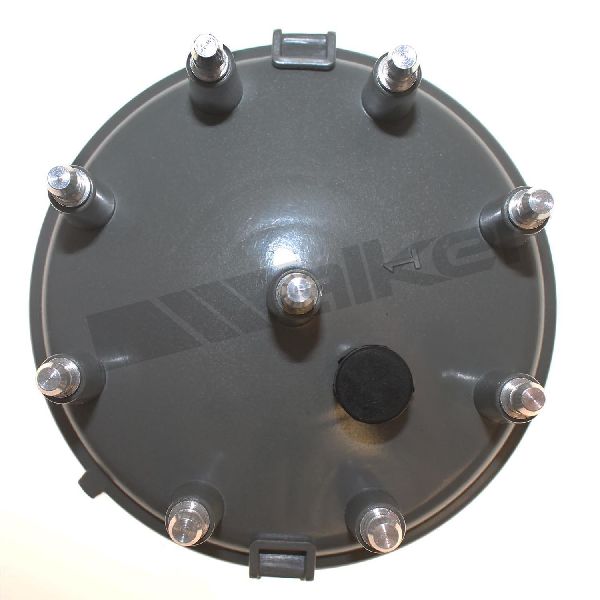
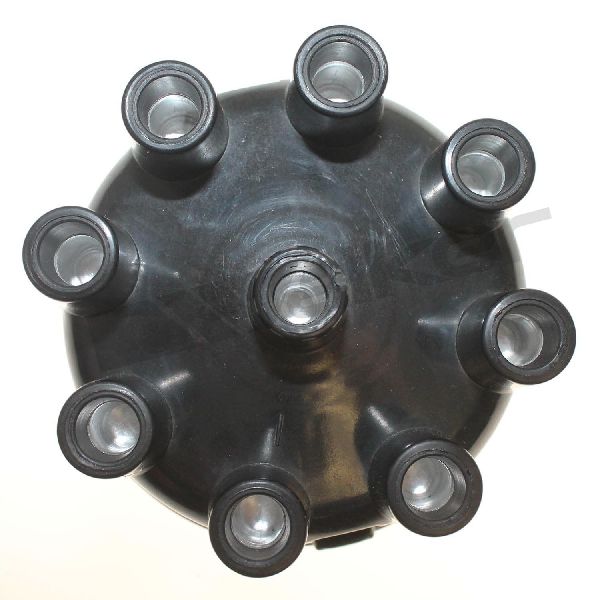
- Standard Replacement (Example: Walker Products, Bremi): These brands offer a balance of quality and affordability. They are designed to be a direct fit and restore original performance. While they may use materials that are a step down from premium brands (like aluminum instead of brass terminals in some economy parts), they are a perfectly suitable option for a budget-friendly tune-up.
Cost of Replacing a Distributor Cap
The cost will depend on the brand you choose and whether you do the work yourself. This is a very simple job that most owners can do at home in under an hour.
| Part/Service | Estimated Cost |
|---|---|
| New Aftermarket Distributor Cap | $18.53 - $96.19 |
| Shop Labor | $50 - $100 |
| Total (DIY) | $18.53 - $96.19 |
| Total (Shop) | $68.53 - $196.19 |
Always Replace the Rotor
The distributor rotor is the spinning part inside the cap. It wears out at the same rate as the cap. For a complete and reliable tune-up, you should always replace the rotor whenever you replace the cap. They are often sold together as a kit.
Frequently Asked Questions (FAQ)
How often should I replace my distributor cap?
For a classic car like the Mustang II, it's good practice to inspect the cap and rotor during every major tune-up, or roughly every 15,000-20,000 miles. If you see any signs of wear, corrosion, or cracking, it's time for a replacement.
Is a more expensive distributor cap worth it?
Often, yes. More expensive caps from brands like MSD or Standard Ignition typically use better materials, such as high-dielectric plastic and brass terminals. Brass is more resistant to corrosion and a better conductor than the aluminum used in some cheaper caps, ensuring a stronger, more reliable spark.
Can I replace the distributor cap myself?
Yes, this is one of the easiest maintenance jobs on a Mustang II. The cap is held on by two clips or screws and is located on top of the engine. The most important part of the job is to transfer the spark plug wires from the old cap to the new cap one at a time, so you don't mix up the firing order.
What tools do I need to replace the distributor cap?
You will likely only need a screwdriver (Phillips or flathead) to release the clips or screws holding the cap in place. It can also be helpful to have a marker or tape to label your spark plug wires, although it's best to move them one by one.
Technical Specifications
Fitment is specific to engine type: 2.3L I4, 2.8L V6, or 5.0L V8. Cap is typically secured by clips or screws. Terminal types can be male (post) or female (socket) depending on the specific distributor design used in your vehicle.
We Have This Part in Stock


The information in this article is provided for general reference and educational purposes only. Vehicle specifications, procedures, and part compatibility can vary by production date, trim level, and region. Always consult your vehicle's factory service manual and verify part numbers before purchasing or performing repairs. Safety-critical components such as airbags, seat belts, and braking systems should be installed by a qualified professional.