

A Practical Guide to Spark Plugs for the 1974-1978 Ford Mustang II
Solve rough running and restore lost power by choosing the correct spark plugs for your classic Mustang II.
- For most owners, standard copper-core spark plugs from Motorcraft or Autolite are the best choice for reliability and performance.
- Always verify and set the spark plug gap for your specific engine (2.3L, 2.8L, or 5.0L) before installation.
- More expensive platinum and iridium plugs are generally not recommended for this vehicle generation as they may not perform as well as basic copper plugs.
- There are no known spark plug-related recalls or widespread factory defects for the 1974-1978 Mustang II.
Signs of a Failing Spark Plug
Worn or fouled spark plugs can cause a number of noticeable engine problems. Because these cars use a simple distributor ignition system, they are very sensitive to the condition of the plugs. Watch for these common symptoms:
- Rough Idle: The engine may shake or run unevenly when stopped at a light.
- Engine Misfires: You might feel a hesitation or stumble from the engine, especially under acceleration.
- Difficulty Starting: A car that is slow to crank and start, particularly on cold mornings, can be a sign of weak spark.
- Poor Fuel Economy: If the air-fuel mixture isn't burning completely, your car will use more fuel than necessary.
- Reduced Power: The car may feel sluggish and slow to respond when you press the gas pedal.
Choosing the Right Aftermarket Spark Plug
For a 1974-1978 Ford Mustang II, the original ignition system was designed for simple, effective copper-core spark plugs. While modern options like platinum and iridium exist, many owners find they don't offer benefits and can sometimes cause issues with these older engines.
Spark Plug Brand Tiers
| Tier | Brands | Assessment |
|---|---|---|
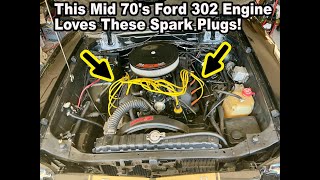
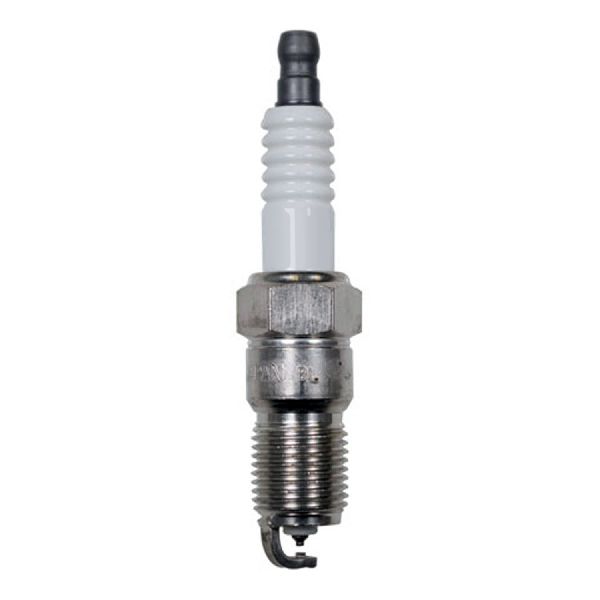
| OEM / Recommended Standard | Motorcraft, Autolite | These are the brands your Mustang II was likely built with. Forum members and mechanics strongly agree that standard copper plugs from these brands provide the most reliable performance for stock engines. They are inexpensive and work exactly as intended. | 🎬 Watch: A Mustang spark plug and wire replacement walkthrough.
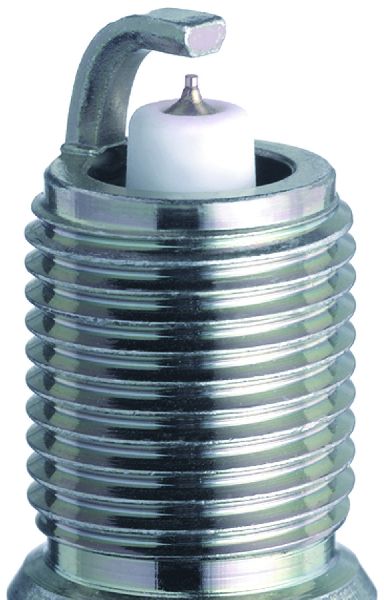
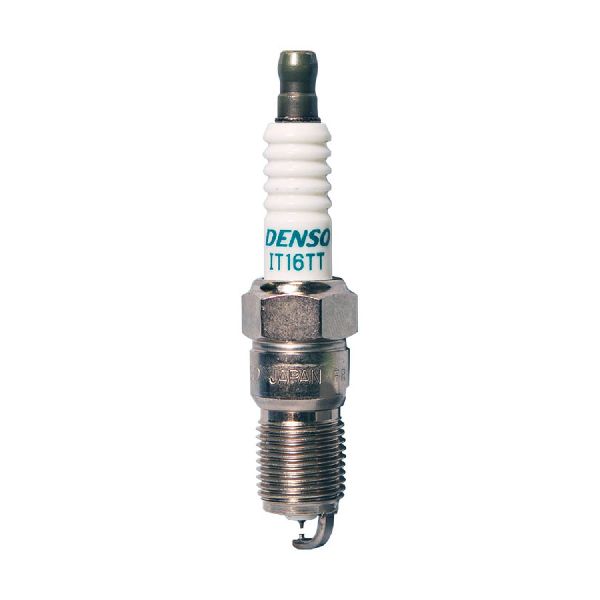
| High-Quality Aftermarket | NGK, Denso | NGK and Denso are well-respected Japanese brands that make excellent quality spark plugs. Their standard copper plugs are a great alternative to Motorcraft or Autolite and are trusted by many for their reliability and performance. |
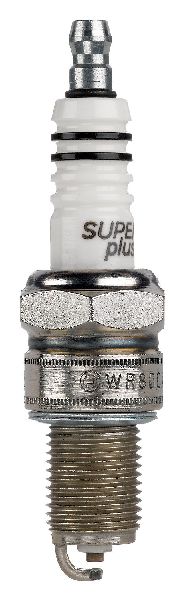
| Performance / Long-Life | Bosch, Champion, Iridium/Platinum plugs | While brands like Bosch offer innovative designs, and iridium plugs promise a longer life, they are often not the best choice for this vehicle generation. Some owners report that multi-electrode plugs are gimmicky and that platinum or iridium materials don't work as well with the original ignition system as basic copper. It's generally best to stick with what the engine was designed for. |
Check The Gap!
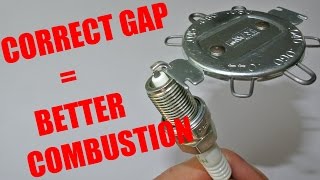
Spark plugs do not always come from the factory with the correct gap for your specific engine. Always check and adjust the gap using a spark plug gapping tool before installation. The correct gap for your Mustang II's engine (2.3L, 2.8L, or 5.0L) can be found in a service manual or on the vehicle's emissions sticker under the hood. A common specification is 0.044 inches, but you must verify for your engine.
🎬 See how to gap a spark plug properly before installation.Known Issues, Recalls, and Service Bulletins
Searches for official recalls or Technical Service Bulletins (TSBs) from the National Highway Traffic Safety Administration (NHTSA) did not find any specific spark plug-related issues for the 1974-1978 Ford Mustang II. Problems like spark plugs breaking during removal or being ejected from the cylinder head are associated with much newer Ford modular engines (late 1990s-2000s) and do not apply to this vehicle. Any issues you experience will likely be due to normal wear and tear or general maintenance needs.
Frequently Asked Questions (FAQ)
How often should I change the spark plugs on my Mustang II?
For standard copper plugs used in these cars, a good rule of thumb is to inspect them at every major tune-up and replace them every 30,000 miles or so. If the car is driven infrequently, it's wise to check them more often, as deposits can build up.
Should I use copper, platinum, or iridium plugs?
For a stock 1974-1978 Mustang II, standard copper-core spark plugs are highly recommended. The ignition systems of that era were designed for them. While platinum and iridium plugs last longer, they are more expensive and may not provide a performance benefit; some owners report they run worse than copper in these specific engines.
Do I need special tools to change my spark plugs?
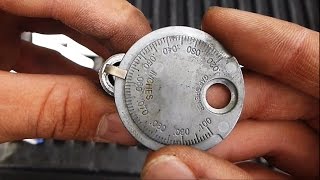
The job requires basic hand tools. You will need a socket wrench with an extension, a dedicated 5/8" spark plug socket (which has a rubber insert to protect the plug), and a spark plug gapping tool. 🎬 Watch this quick guide on using a spark plug gapper. Applying a small amount of anti-seize compound to the threads of the new plugs is also a recommended practice to make future changes easier.
What is a spark plug 'heat range'?
The heat range refers to how quickly the spark plug tip dissipates heat. It's important to use the heat range specified by the manufacturer for your engine. Using a plug that is too 'hot' can lead to engine damage, while a plug that is too 'cold' can foul easily. When buying plugs, match the part number recommended for your vehicle to ensure the heat range is correct.
Helpful Videos

Technical Specifications
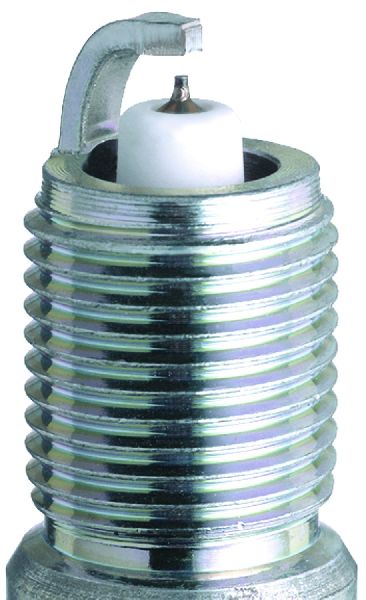
OEM Part Numbers: ARF42 ASF52 ARF52
Socket Size: 5/8 inch Seat Type: Tapered Common Spark Plug Gap: 0.044 in (Varies by engine, always verify) Recommended Type: Copper Core
We Have This Part in Stock


The information in this article is provided for general reference and educational purposes only. Vehicle specifications, procedures, and part compatibility can vary by production date, trim level, and region. Always consult your vehicle's factory service manual and verify part numbers before purchasing or performing repairs. Safety-critical components such as airbags, seat belts, and braking systems should be installed by a qualified professional.