

Choosing the Best Spark Plug Wire Set for Your 1974-1978 Ford Mustang II
Upgrade your ignition performance and reliability with the right set of spark plug wires for your classic Mustang II.
- Always buy a wire set that is specific to your Mustang II's engine (2.3L I4, 2.8L V6, or 5.0L V8).
- For V8 engines, proper wire routing using separators is critical to prevent 'crossfire' and engine hesitation.
- Reputable aftermarket brands like MSD, Taylor, and Ford Performance offer a significant upgrade over original 1970s technology.
- To avoid mixing up the firing order, replace the wires one at a time from the distributor cap to the spark plug.
Why New Wires Are a Smart Upgrade
The original spark plug wires on your 1974-1978 Ford Mustang II were made with 1970s technology. Modern aftermarket wires offer significant improvements in materials and design. They use better insulation like silicone to resist high engine temperatures and prevent voltage leaks. The conductors inside are also more efficient, ensuring more spark energy reaches the plugs for better performance and reliability.
Symptoms of Failing Spark Plug Wires
Worn-out spark plug wires can cause a variety of noticeable engine problems. If you experience any of these, your wires might be the culprit:
- Rough Idle: An unsteady or vibrating engine when stopped.
- Engine Misfires: A stuttering or jerking feeling, especially under acceleration. You might hear a popping sound from the engine.
- Hesitation During Acceleration: The car may stumble or lack power when you press the gas pedal.
- Poor Fuel Economy: If you're filling up the tank more often, inefficient spark could be a cause.
- Difficulty Starting: Weak spark can make the engine harder to turn over.
- Visible Damage: Check for cracks, burns, or brittleness on the wire jackets and boots.
Critical for V8 Owners: Wire Routing and Crossfire
If you have the 302 V8 engine, proper spark plug wire routing is extremely important. Running wires for consecutively firing cylinders too close and parallel to each other can cause an issue called "crossfire" or "inductive cross-talk". This is when the magnetic field from one wire induces a spark in an adjacent wire, causing the wrong cylinder to fire at the wrong time. This can lead to poor performance, hesitation, and potential engine damage. Always use wire separators and follow factory routing guides, which often involve separating specific wires like #7 and #8.
Choosing the Right Aftermarket Wires
With so many options, it's helpful to think of brands in tiers based on performance and price. Always ensure the set you buy is specifically for your Mustang II's engine: the 2.3L I4, 2.8L V6, or 5.0L V8.
Performance Tier (For Modified Engines or Maximum Performance)
- MSD (Super Conductor): A top choice among enthusiasts, known for very low resistance which means more power gets to the spark plug. The 8.5mm Super Conductor series is highly regarded for performance applications.
- Taylor Cable (Spiro-Pro, Thundervolt): Another excellent performance brand, often praised for its durability, heat resistance, and value. Some users prefer them for having less radio frequency interference (RFI) than other performance wires.
- Accel (300+): While some Accel product lines have mixed reviews, their higher-end race wires are often used in performance builds.
OEM-Style Plus Tier (For Daily Drivers and Restorations)
- Ford Performance (formerly Ford Racing): A great option for a factory-style fit with modern performance. They are considered a solid, reliable choice and a good value.
- NGK: Known for their high-quality OEM replacement parts, NGK wire sets offer excellent fit and reliability for a stock or mildly upgraded engine. They are a dependable choice for restoring original performance.
- Pertronix (Flame-Thrower): Often paired with their electronic ignition systems, Pertronix wires are designed to deliver a strong spark and are a quality upgrade over stock.
Standard/Economy Tier (For Budget-Conscious Repairs)
- Standard Motor Products (SMP): A common aftermarket brand that provides functional, budget-friendly replacement parts.
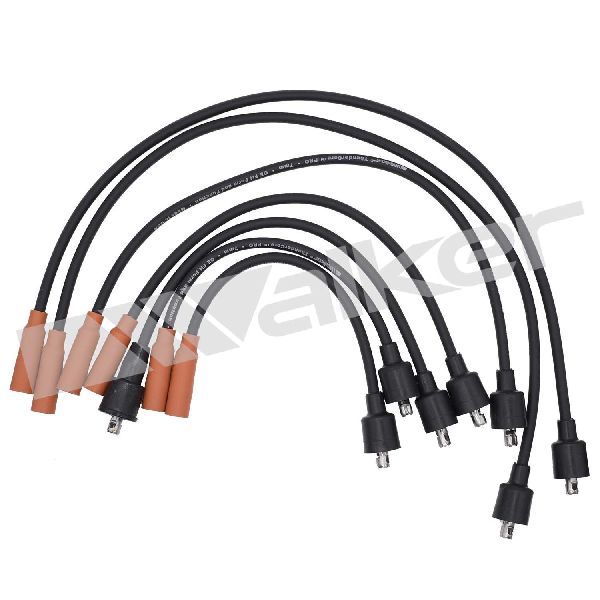
- Denso, Walker Products: These brands offer affordable, standard replacement wire sets that will get your car running properly.
Frequently Asked Questions (FAQ)
Do I need thicker 8.5mm or 10mm wires for my stock engine?
For a stock or lightly modified Mustang II, a quality 7mm or 8mm wire set is perfectly adequate. Thicker wires are primarily for heavily modified engines with high-output ignition systems, where extra insulation is needed to prevent voltage leaks. On a stock engine, you won't see a performance gain from simply using a thicker wire.
What's the difference between universal and custom-fit wire sets?
Custom-fit sets are designed specifically for your Mustang II's engine. The wires are pre-cut to the correct length, and the boots are installed, making installation simple. Universal sets come with long, unterminated wires that you must cut to length and assemble yourself. For most owners, a custom-fit set is the easier and recommended choice.
How often should I replace my spark plug wires?
There is no strict replacement interval, but it's a good idea to inspect them with every tune-up. Many manufacturers recommend replacement every 60,000 to 100,000 miles, but for a classic car, it's best to replace them if they are old, show any signs of wear, or if you are experiencing ignition problems.
Are there any recalls for Mustang II spark plug wires?
No, there are no specific recalls or Technical Service Bulletins (TSBs) from Ford or the NHTSA regarding the spark plug wires for the 1974-1978 Ford Mustang II.
Technical Specifications
OEM Part Numbers: D5PZ12259K E5PZ12259MR D5PZ12259A D6PZ12259AA
Varies by engine (4, 6, or 8 cylinder sets). Conductor type (carbon core, spiral wound). Insulation material (silicone). Diameter (typically 7mm-8.5mm).
We Have This Part in Stock
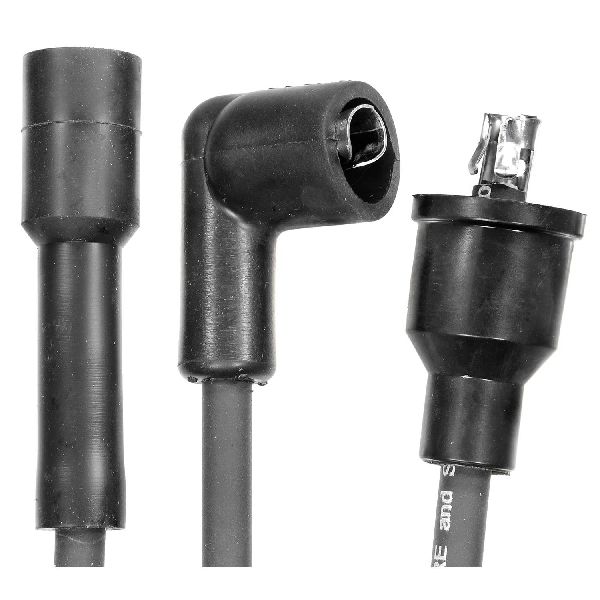
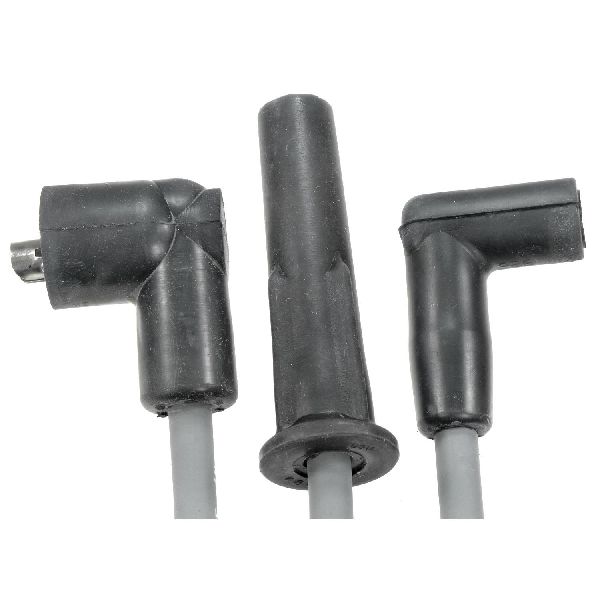
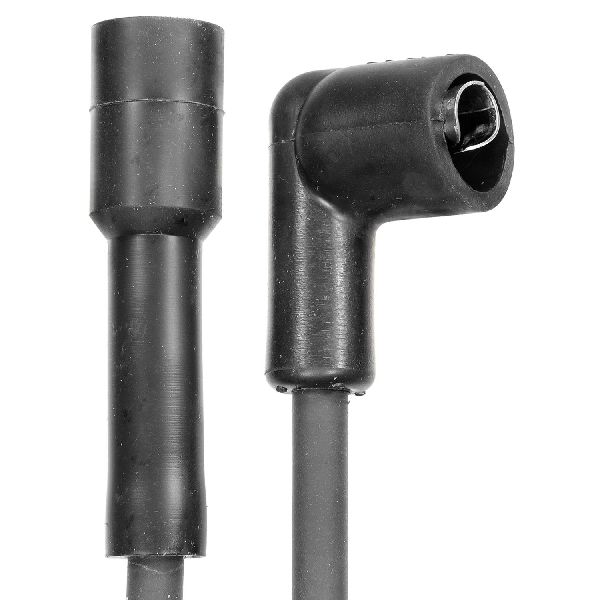
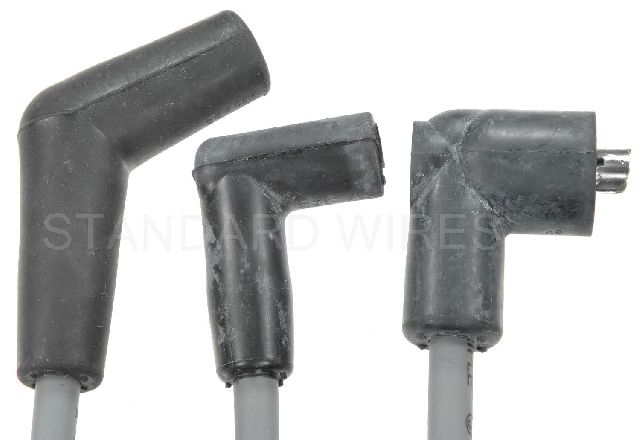

The information in this article is provided for general reference and educational purposes only. Vehicle specifications, procedures, and part compatibility can vary by production date, trim level, and region. Always consult your vehicle's factory service manual and verify part numbers before purchasing or performing repairs. Safety-critical components such as airbags, seat belts, and braking systems should be installed by a qualified professional.
- 🛍️ Shop This Part
- Why New Wires Are a Smart Upgrade
- Symptoms of Failing Spark Plug Wires
- Critical for V8 Owners: Wire Routing and Crossfire
- Choosing the Right Aftermarket Wires
- Performance Tier (For Modified Engines or Maximum Performance)
- OEM-Style Plus Tier (For Daily Drivers and Restorations)
- Standard/Economy Tier (For Budget-Conscious Repairs)
- Frequently Asked Questions (FAQ)
- 🎟️ Get 5% Off