

Choosing an Aftermarket Distributor for Your 1974-1979 Chevrolet Caprice
Understanding your options for replacing a worn distributor is key to keeping your classic Caprice on the road.
- Upgrading to a new HEI electronic distributor is the most common and reliable repair for 1974-1979 Caprice ignition problems.
- Symptoms like misfiring, hard starting (especially when hot), and rough idling strongly point to a failing distributor or its internal components.
- Brand choice matters: MSD and Pertronix are popular for performance and quality upgrades, while Cardone and WAI offer budget-friendly standard replacements.
- Proper installation is critical. You must set the ignition timing with a timing light after replacing the distributor to avoid poor performance or engine damage.
Signs of a Failing Distributor
When the distributor in your Caprice starts to fail, the signs are hard to ignore. Because it controls engine timing and spark delivery, a bad distributor can cause a wide range of problems that affect how your car drives. You might notice one or more of these symptoms:
- Engine Misfires: The engine may feel like it's jerking, sputtering, or shaking because a cylinder isn't firing correctly.
- Rough Idle: Your car may shake or vibrate when stopped, and the engine might sound like it's about to stall.
- Hard Starting: The engine may take a long time to turn over and start, or it might not start at all. This can be especially noticeable when the engine is hot.
- Hesitation or Stumbling: When you press the gas pedal, the car might hesitate or stumble before accelerating.
- Squealing Noises: A high-pitched squeal from the engine bay can sometimes be caused by a worn-out or dirty distributor.
Heat is the Enemy
For Caprice models with an HEI distributor, the ignition coil and module are located inside the cap. Constant exposure to engine heat is a primary cause of failure for these components, often leading to symptoms like stalling when the engine is hot, which resolve after it cools down.
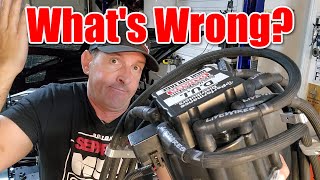
🎬 Watch: How to diagnose and fix your HEI distributor issuesChoosing the Right Aftermarket Distributor
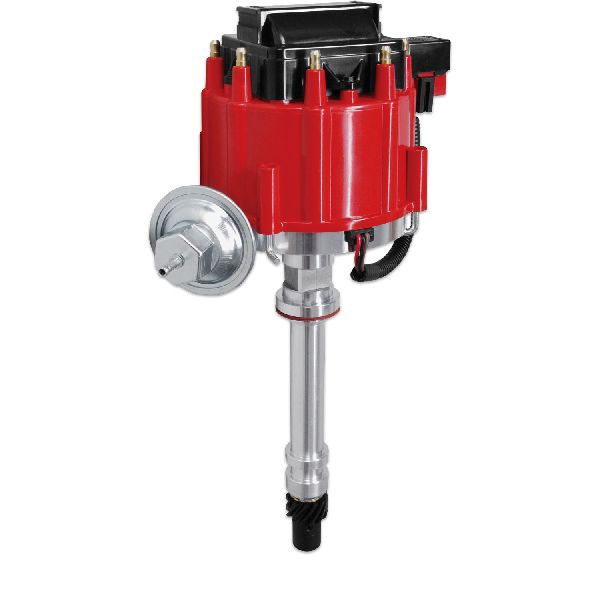
Since new OEM distributors for this era are not available, the aftermarket is your only option. The most important decision is whether to stick with a stock-style replacement or upgrade to a modern electronic ignition system. For the 1974-1979 Caprice, this usually means choosing a High Energy Ignition (HEI) distributor, which was a factory system during these years and a popular upgrade for older points-based systems.
Brand Quality Tiers
Not all aftermarket brands are created equal. They generally fall into three categories based on performance, quality, and price.
Performance Brands (MSD, FAST, Edelbrock)
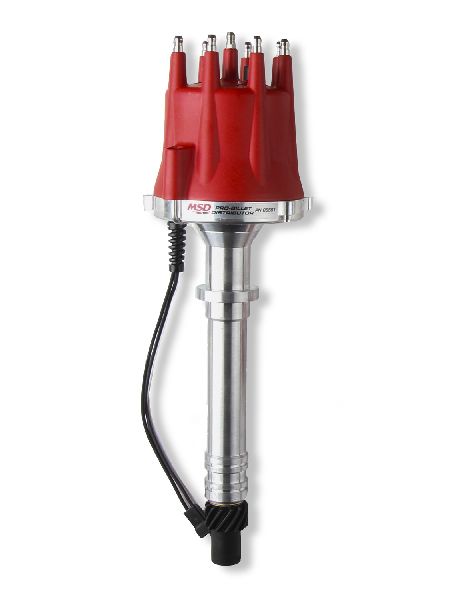
These brands are for owners looking for maximum performance, often for modified engines. They offer billet aluminum housings, high-output coils, and precision timing controls. MSD is a popular choice for its reliability and powerful spark, often paired with an external ignition box for even better performance at high RPMs. These are the most expensive options.
Quality Upgrade Brands (Pertronix, Accel)
Pertronix is well-known for its "Ignitor" systems that convert older points distributors to electronic ignition and also offers complete "Flame-Thrower" billet distributors. They are considered a reliable upgrade for street-driven cars. Accel also offers quality HEI replacement and performance distributors that provide a good balance of price and performance.
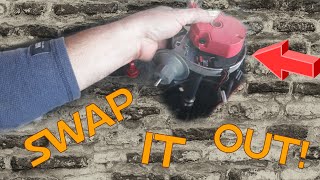
🎬 See this walkthrough on swapping a Small Block Chevy distributorStandard Replacement Brands (Cardone, WAI Global)
These brands focus on providing affordable, direct-fit replacements. Cardone offers both new and remanufactured distributors. While budget-friendly, some user reviews mention inconsistent quality with remanufactured parts or included components like modules and condensers. WAI Global offers 100% new distributors, not remanufactured ones, which can eliminate concerns about worn core parts. These are good options for a daily driver on a budget, but careful inspection of the part upon arrival is wise.
Pro Tip: Don't Forget the Timing
Replacing a distributor is more than just swapping parts. You MUST set the ignition timing with a timing light after installation. Incorrect timing can lead to poor performance, engine damage, and bad fuel economy.
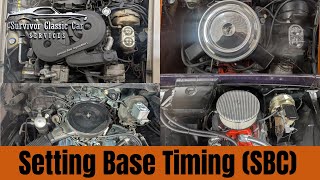
🎬 Watch: How to set base ignition timing on your HEIDistributor Replacement Costs
The cost of replacing your distributor will depend on the brand you choose and whether you do the work yourself.
| Part/Service | Estimated Cost |
|---|---|
| New Aftermarket Distributor | $111.58 - $776.20 |
| Shop Labor | $150 - $300 |
Frequently Asked Questions
What is an HEI distributor?
HEI stands for High Energy Ignition. It's an electronic ignition system developed by GM that eliminates mechanical breaker points. It provides a stronger, more consistent spark, which improves starting, efficiency, and reliability. Most 1975-1979 Caprice models came with an HEI system from the factory.
Do I need to replace my ignition coil with the distributor?
If you have an HEI distributor, the coil is built into the cap. Most new aftermarket HEI distributors come complete with a new cap, rotor, coil, and ignition module already installed, making the job easier.
Can I replace the distributor myself?
Yes, if you have some mechanical experience. The process involves removing the old distributor, dropping the new one in while aligning the rotor, and then setting the ignition timing with a timing light. Marking the position of the old distributor and rotor before removal is critical to make installation easier.
Are there any recalls for the 1974-1979 Caprice distributor?
No. Searches of the National Highway Traffic Safety Administration (NHTSA) database show no recalls specifically for the distributor on the 1974-1979 Chevrolet Caprice. Any issues are related to age and normal wear and tear.
Helpful Videos

Technical Specifications
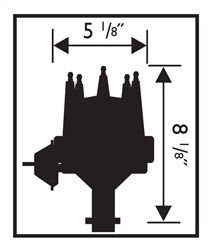
High Energy Ignition (HEI) Distributor with internal coil and module. Vacuum advance is a common feature.
We Have This Part in Stock

The information in this article is provided for general reference and educational purposes only. Vehicle specifications, procedures, and part compatibility can vary by production date, trim level, and region. Always consult your vehicle's factory service manual and verify part numbers before purchasing or performing repairs. Safety-critical components such as airbags, seat belts, and braking systems should be installed by a qualified professional.