

A Guide to the 1974-1982 Jeep Cherokee (SJ) Engine Oil Pressure Switch
Diagnose your erratic oil pressure gauge and choose the right replacement part for your classic Jeep.
- An erratic or pegged oil pressure gauge is the most common sign of a failing switch on a 1974-1982 Cherokee.
- Always verify your engine's oil level if you see a low-pressure reading to rule out a serious mechanical issue.
- Replacement is a simple, beginner-friendly DIY task that takes less than an hour.
- Quality aftermarket brands like Standard Ignition and Crown Automotive are reliable choices for this part.
Is Your Oil Pressure Gauge Acting Strange?
For owners of a 1974-1982 Jeep Cherokee (SJ), the oil pressure gauge is a key instrument. If it starts behaving erratically—flickering, reading zero, or maxing out—the engine oil pressure switch is a common culprit. While it's a simple component, it plays a critical role in monitoring your engine's health. Ignoring its symptoms can be a costly mistake.
Common Symptoms of a Failing Oil Pressure Switch
A bad oil pressure switch can cause a lot of worry, but the fix is usually straightforward. Here’s what to look for:
- Gauge Maxed Out or at Zero: One of the most common signs is the gauge needle pegging at the highest pressure or dropping to zero, even when you know the engine is running fine. This often points to an electrical short or a complete failure of the sending unit.
- Flickering or Unstable Gauge: If the needle on your oil pressure gauge jumps around randomly, the sending unit is likely failing. A poor electrical connection at the switch itself can also cause this issue.
- Visible Oil Leak: The switch itself can develop leaks. Over time, the diaphragm inside can fail, allowing oil to seep out through the body of the sensor or even into the electrical connector. If you see oil around the switch, it's time for a replacement.
Warning: Don't Ignore a Zero Reading
If your gauge reads zero and you hear any unusual engine noises like ticking or knocking, pull over and shut off the engine immediately. This could indicate a true loss of oil pressure, which will destroy your engine in minutes. Always verify the oil level first. If the level is good but the gauge reads zero, the problem is likely the switch or wiring.
Choosing the Right Aftermarket Switch
For a vintage vehicle like the '74-'82 Cherokee, OEM parts are often discontinued or difficult to find. Thankfully, the aftermarket provides several reliable options. The key is choosing a quality part to avoid replacing it again in a few months.
Based on general reputation and availability for classic Jeeps, here’s a breakdown of the brands:
- Good - Global Parts: This brand offers a budget-friendly option. While it will get the job done, it may not have the same longevity as more premium brands. It's a viable choice for a quick fix or if cost is the primary concern.
- Better - Crown Automotive: Crown is a well-known name in the Jeep aftermarket world, specializing in replacement parts for everything from new to vintage models. They are often considered a go-to for parts that fit and function like the original. A Crown switch is a solid, reliable choice.
- Best - Standard Ignition (SMP): Standard Motor Products has a long-standing reputation for producing high-quality electrical components that meet or exceed OEM specifications. They perform 100% testing and use durable materials to ensure accuracy and resistance to leaks, making them a top-tier choice for peace of mind.
Pro Tip: Check Your Connector
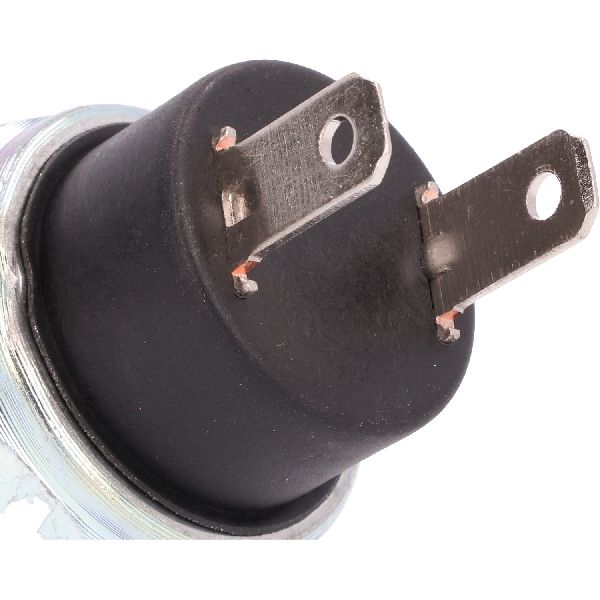
Before ordering, look at your existing oil pressure switch. These Jeeps could have different switch styles (e.g., single-wire spade or multi-pin connector) depending on the year and original equipment. Match your new part's connector to the old one to ensure a plug-and-play installation.
Typical Replacement Costs
Replacing the oil pressure switch is an affordable repair, especially if you do it yourself.
| Item | Estimated Cost |
|---|---|
| New Aftermarket Switch | $10 - $41 |
| Shop Labor | $50 - $100 |
| Total Estimated Cost | $60 - $141 |
Frequently Asked Questions (FAQ)
Is an oil pressure switch the same as an oil pressure sender?
Yes, for these vehicles, the terms are used interchangeably. A "switch" technically just operates a warning light, while a "sender" or "sending unit" operates a variable gauge. Since the 1974-1982 Cherokee has a gauge, the correct part is a sending unit, but it is often called a switch.
Where is the oil pressure switch located on my Cherokee?
On the AMC V8 (360, 401) and I6 (258) engines common in this era, the oil pressure sending unit is typically located on the passenger side of the engine block, near the oil filter. It will have a single wire or a small electrical connector attached to it.
Can I replace this part myself?
Absolutely. This is a great DIY job for beginners. It usually requires only basic hand tools, including a special socket or a wrench. The main steps are disconnecting the battery, unplugging the electrical connector, unscrewing the old switch, and installing the new one. A little oil may spill, so have a rag ready.
Should I use sealant or Teflon tape on the threads?
Yes, it is highly recommended to use a small amount of thread sealant or Teflon tape on the threads of the new switch to prevent oil leaks. Some new switches come with sealant already applied to the threads.
Technical Specifications
OEM Part Numbers: J3212004 3231347
The switch must be compatible with a dashboard gauge (not just a warning light). It will have either a single spade terminal or a multi-pin connector, depending on the specific year and model. Thread size and pressure range must match the original for accurate readings.
We Have This Part in Stock


The information in this article is provided for general reference and educational purposes only. Vehicle specifications, procedures, and part compatibility can vary by production date, trim level, and region. Always consult your vehicle's factory service manual and verify part numbers before purchasing or performing repairs. Safety-critical components such as airbags, seat belts, and braking systems should be installed by a qualified professional.