

1975 Opel Manta Engine Coolant Temperature Sensor: A Complete Guide
Understanding the simple but vital temperature sensor for your classic Manta's dashboard gauge.
- On a 1975 Manta, this sensor is only for the dashboard gauge; it does not affect how the engine runs.
- Symptoms are limited to incorrect or no readings on the temperature gauge.
- Replacement is a simple, DIY-friendly task that takes less than an hour.
- Aftermarket parts from brands like Standard Ignition are the most practical and reliable choice for this classic vehicle.
Is Your Temperature Gauge Acting Up?
The engine coolant temperature sensor in a 1975 Opel Manta is a simple component. Its main role is to power the temperature gauge on your instrument cluster. When this sensor fails, the information you get about your engine's temperature becomes unreliable. Since your Manta doesn't have a 'Check Engine' light or an onboard computer, your gauges are the only way to monitor the engine's health while driving.
Symptoms of a Failing Temperature Sensor on a 1975 Manta
Because this sensor only operates the dashboard gauge, all symptoms will appear there. A bad sensor will not cause performance issues like a rough idle or poor fuel economy on this specific vehicle.
- Gauge Reads Cold: The temperature needle never moves from the 'C' or low end of the scale, even after the engine has been running for a while.
- Gauge Reads Hot Immediately: The needle jumps to 'H' or into the red zone as soon as you start the car, which is not physically possible for a cold engine.
- No Reading at All: The needle is completely dead and doesn't move at all.
- Erratic Readings: The needle bounces around randomly or gives readings that don't make sense with your driving conditions.
Don't Mistake a Bad Gauge for an Overheating Engine
A gauge that reads hot could mean a bad sensor, or it could mean your engine is actually overheating. Always investigate the cause. If the gauge reads hot, carefully check for other signs of overheating like steam from the engine bay or the smell of hot coolant before assuming it's just a faulty sensor.
Choosing the Right Aftermarket Sensor
For a classic car like the 1975 Manta, finding "new old stock" (NOS) OEM parts is nearly impossible and often very expensive. Aftermarket parts are the most practical and available choice for keeping your Manta on the road.
The brands available in our inventory are reliable aftermarket replacements:
- Standard Ignition: A well-known and respected brand in the aftermarket industry. They have a long history of producing quality replacement parts that meet or exceed original specifications. For many mechanics, Standard is a trusted go-to for electrical components.
- True Tech: This brand typically offers a cost-effective solution for drivers looking for a functional, reliable part that fits a budget. It serves as a solid value-based option to get your gauge working correctly again.
Pro Tip: Match the Connector
Before ordering, take a quick look at the sensor currently in your Manta. Note the electrical connector style. While these parts are made to be direct fits, confirming the connector ensures you get the right part the first time, avoiding delays in your repair.
Cost of Replacing the Engine Coolant Temperature Sensor
| Part Type | Estimated Cost |
|---|---|
| New Aftermarket (Standard, True Tech) | $26.36 - $32.02 |
| Shop Labor | $50 - $100 |
| New OEM | Practically Unavailable |
| Used/NOS OEM | $75 - $200+ (if found) |
Frequently Asked Questions (FAQ)
Will replacing this sensor fix my engine's overheating problem?
No. This sensor only reports the temperature to your gauge. If your engine is truly overheating, you need to inspect the cooling system itself, including the radiator, thermostat, water pump, and coolant levels. A new sensor will only make sure the gauge accurately tells you that there is a problem.
Is this replacement difficult to do myself?
No, this is a very DIY-friendly job for most home mechanics. It typically involves partially draining the coolant, unplugging a wire, and unscrewing the old sensor. The new sensor is installed in the reverse order. The most important part is to be prepared for some coolant spillage.
Where is the temperature sensor located on my 1975 Manta?
The sensor is almost always screwed into the engine block or cylinder head, near the thermostat housing. It needs to be in direct contact with the engine coolant to get an accurate reading. Follow the upper radiator hose to the engine to locate the thermostat housing; the sensor will be nearby.
Why are there no P-codes for this part?
Your 1975 Opel Manta was built before the era of onboard computers and the OBD-II diagnostic system. Diagnostic Trouble Codes (DTCs or P-codes) did not exist yet. The car's electrical system is much simpler, relying on direct-to-gauge sensors like this one.
Technical Specifications
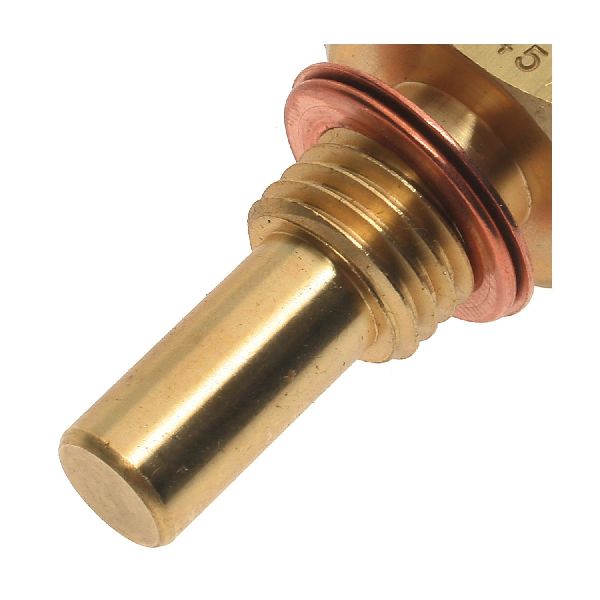
This is a thermistor-type sensor that changes its electrical resistance based on coolant temperature, sending a signal to the dashboard gauge. It does not interact with an ECU.
We Have This Part in Stock


The information in this article is provided for general reference and educational purposes only. Vehicle specifications, procedures, and part compatibility can vary by production date, trim level, and region. Always consult your vehicle's factory service manual and verify part numbers before purchasing or performing repairs. Safety-critical components such as airbags, seat belts, and braking systems should be installed by a qualified professional.
- 🛍️ Shop This Part
- Is Your Temperature Gauge Acting Up?
- Symptoms of a Failing Temperature Sensor on a 1975 Manta
- Don't Mistake a Bad Gauge for an Overheating Engine
- Choosing the Right Aftermarket Sensor
- Pro Tip: Match the Connector
- Cost of Replacing the Engine Coolant Temperature Sensor
- Frequently Asked Questions (FAQ)
- 🎟️ Get 5% Off