

Accessory Drive Belt Guide for the 1975-1979 Dodge Monaco
Keep your classic Monaco's accessories running smoothly by choosing the right replacement V-belts.
- Your Monaco uses multiple V-belts, not a single serpentine belt; confirm your engine and accessory combination before buying.
- Squealing noises and visible cracks are clear signs that your belts need to be replaced.
- Modern aftermarket brands like Gates, Dayco, and Continental offer superior quality to the original 1970s belts.
- If the belt driving the water pump or alternator fails, you cannot drive the vehicle safely.
Understanding Your Monaco's V-Belt System
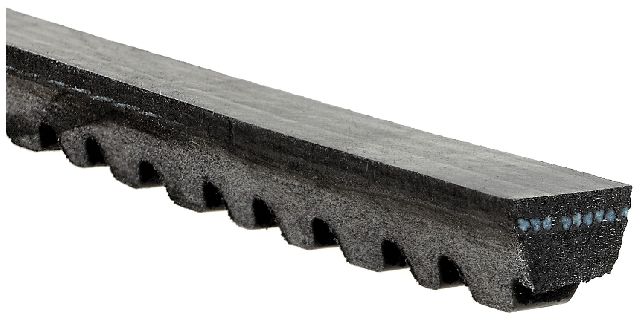
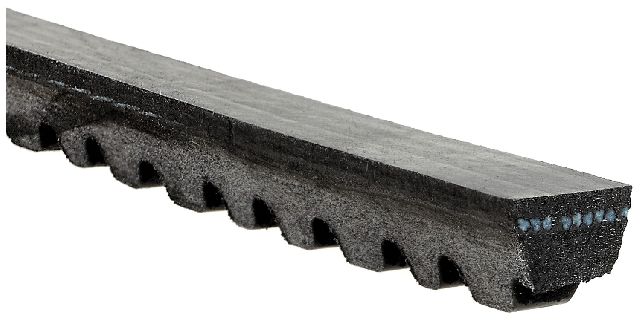
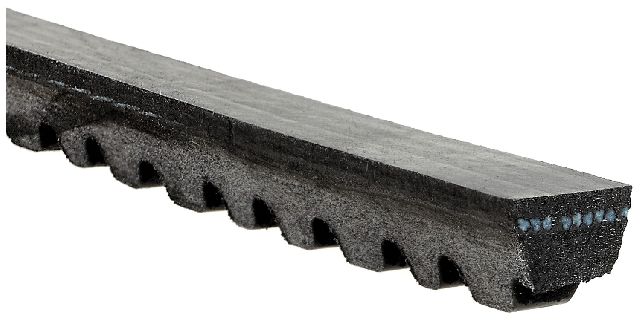
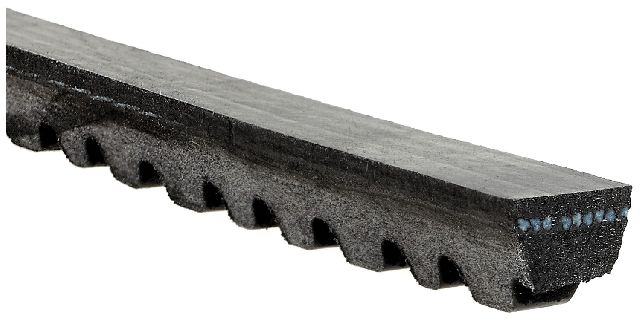
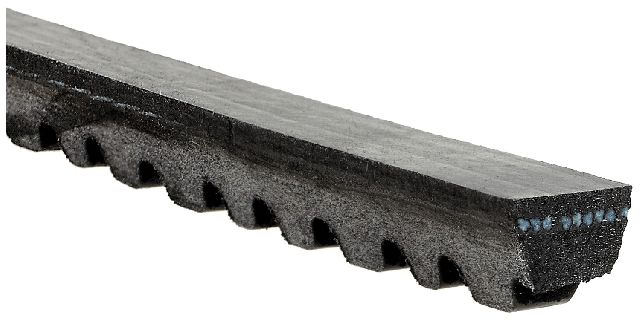
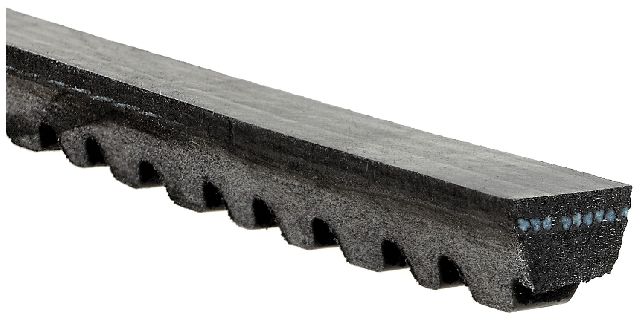
Your 1975-1979 Dodge Monaco doesn't have just one accessory belt; it has several. This multi-belt setup, using what are called V-belts, was common for the era. Each belt is responsible for driving one or two accessories. This means you'll have separate belts for things like the alternator, power steering, and air conditioning. Because of different engine options (like the 318, 360, or 400 V8) and optional equipment (like with or without A/C), there are many different belt sizes and combinations. It is crucial to identify which specific belts your car needs.
Symptoms of a Failing Accessory Drive Belt
A failing V-belt will almost always give you a warning sign before it breaks completely. Ignoring these signs can leave you stranded.
- Squealing Noises: This is the most common symptom. A high-pitched squeal, especially on startup or when accelerating, usually means a belt is slipping due to being loose, worn, or contaminated with oil.
- Visible Wear and Cracks: Inspect your belts. If you see cracks, fraying, glazing (a shiny, hard surface), or pieces of rubber missing, the belt is old and needs immediate replacement.
- Accessory Malfunctions: If your power steering becomes heavy, the battery light comes on, or the engine temperature starts to rise, it could be caused by a slipping or broken belt. A broken water pump belt will cause the engine to overheat quickly.
- Vibrations: Excessive vibration from the engine bay can sometimes be traced back to a failing belt that is not running smoothly in its pulley.
Warning: Engine Damage Possible
If the belt that drives the water pump breaks, your engine will rapidly overheat. Pull over immediately and shut off the engine to prevent severe damage.
Choosing the Right Aftermarket Belts
For a vehicle from the 1970s, finding original "OEM" Mopar belts is nearly impossible. The good news is that modern aftermarket belts from reputable brands often exceed the quality and durability of the original 1970s parts. Brands like Gates, Dayco, and Continental are all Tier 1 manufacturers that supply parts directly to automakers and the aftermarket.
- Brand Tiers:
- Premium (Gates, Dayco, Continental): These brands are well-regarded in the industry for quality and durability. They use modern EPDM rubber compounds that resist heat, oil, and ozone much better than older neoprene belts. You can't go wrong choosing a belt from any of these top-tier manufacturers for your Monaco. Forum discussions among classic car owners often show a preference for Gates or Dayco's premium lines for V-belt applications due to their reputation for durability and quiet operation.
- OEM vs. Aftermarket: For this specific vehicle, quality aftermarket belts are not a step down. They are an improvement in material technology over the original parts. The key is to buy from a known, quality brand rather than a no-name, white-box part.
Estimated Costs
| Part Type | Estimated Cost |
|---|---|
| New Aftermarket V-Belt (per belt) | $3 - $42 |
| Shop Labor (per belt, if done separately) | $50 - $100 |
Note: Prices are estimates and can vary based on location, brand, and the specific belt. It is more cost-effective to replace multiple belts at the same time.
Frequently Asked Questions
How do I find the exact belts for my Monaco?
The most important factor is your car's specific configuration. You need to know the year, engine size (e.g., 5.9L V8), and which accessories you have (A/C, power steering). Many parts websites have fitment guides where you can enter this information. It's also a good idea to visually inspect the old belts and their routing before ordering.
Can I replace the accessory belts myself?
Yes, for most people with basic hand tools, this is a very feasible DIY job. It involves loosening the tension on the belt (usually by pivoting the alternator or other accessory), removing the old belt, routing the new one, and then re-tensioning it properly. The key is to not over-tighten the new belt, which can damage the bearings in the accessories. A common rule of thumb is that the belt should not deflect more than half an inch under firm thumb pressure at the midpoint of its longest span.
Should I replace all the belts at once?
It is highly recommended. The belts on your car are all of a similar age and have been exposed to the same conditions. If one is failing, the others are likely not far behind. Replacing them all at once saves you from having to do the job again in the near future and ensures the entire system is reliable.
Are there any recalls or common issues for these belts?
No specific recalls or Technical Service Bulletins (TSBs) from the NHTSA exist for the accessory drive belts on the 1975-1979 Dodge Monaco. Any problems are related to normal wear and tear, which is expected for a component of this type and age.
Technical Specifications
OEM Part Numbers: 1821684 1825903 2268386 2402378 2532648 2658352 2658793 2806960
The 1975-1979 Dodge Monaco uses a multiple V-belt system. Belts are typically made of EPDM (Ethylene Propylene Diene Monomer) rubber. The specific length and width of each belt vary significantly based on the engine (e.g., 5.9L/360 V8, 6.6L/400 V8) and accessories (with/without Air Conditioning, with/without Power Steering). Always verify fitment for your specific vehicle configuration.
We Have This Part in Stock

The information in this article is provided for general reference and educational purposes only. Vehicle specifications, procedures, and part compatibility can vary by production date, trim level, and region. Always consult your vehicle's factory service manual and verify part numbers before purchasing or performing repairs. Safety-critical components such as airbags, seat belts, and braking systems should be installed by a qualified professional.