

Choosing the Right Spark Plugs for Your 1975-1980 Buick Skylark
Keep your classic Skylark's engine running smoothly with the correct set of spark plugs.
- For a stock 1975-1980 Skylark, standard copper-core spark plugs from brands like ACDelco, NGK, or Champion are the best and most cost-effective choice.
- Confirm your specific engine (V6 or V8) before purchasing to ensure you get plugs with the correct specifications.
- Always check and set the spark plug gap with a gapping tool before installation; do not rely on the out-of-the-box setting.
- There are no known recalls or technical service bulletins (TSBs) specifically for spark plugs on the 1975-1980 Buick Skylark.
Signs of Failing Spark Plugs
Because the ignition systems in these classic Buicks are relatively simple, they are often very sensitive to the condition of the spark plugs. If your Skylark is experiencing any of the following issues, worn-out plugs could be the cause.
- Rough Idle: The engine may shake or sound uneven when the car is stopped. This can happen when a fouled plug fails to consistently ignite the fuel in its cylinder.
- Engine Misfires: You might feel a hesitation, stumble, or a pop from the exhaust during acceleration. This is a classic sign that one or more plugs are not firing correctly.
- Trouble Starting: Old, worn plugs have a harder time creating the initial spark needed to start the engine, especially when cold.
- Poor Acceleration: If your car feels sluggish or lacks its usual power, fouled or worn spark plugs could be to blame because they can't spark effectively.
- Reduced Fuel Economy: When spark plugs don't fire efficiently, your engine wastes fuel, leading to more frequent stops at the gas station.
Choosing the Right Aftermarket Spark Plug
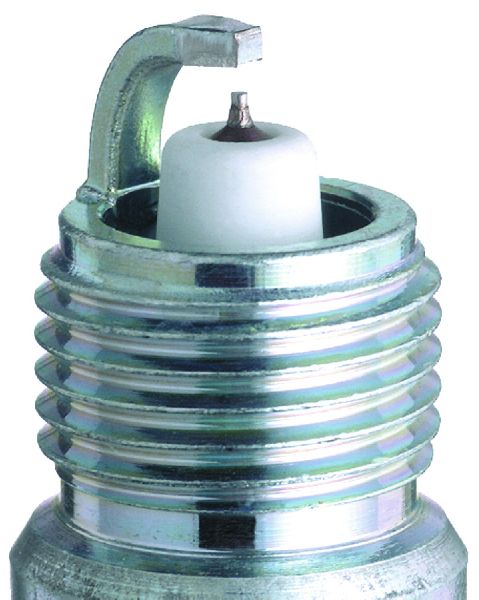
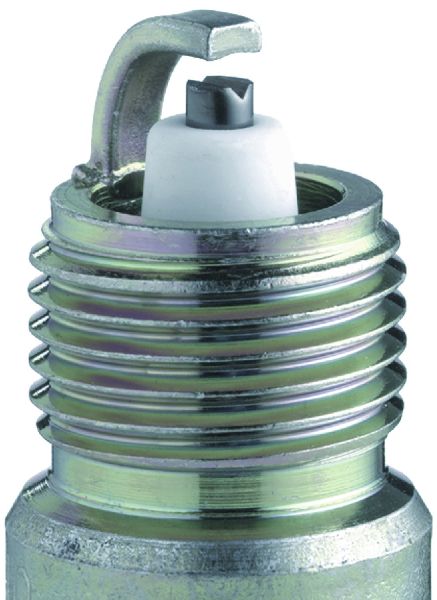
For a stock 1975-1980 Buick Skylark, you do not need expensive, modern spark plugs. The original ignition system was designed for standard copper-core plugs, and they remain the best and most cost-effective choice. Fancy platinum or iridium plugs, while functional, will not provide a noticeable performance benefit and are not worth the extra cost for this application.
Pro-Tip: Copper is King for Classic Engines
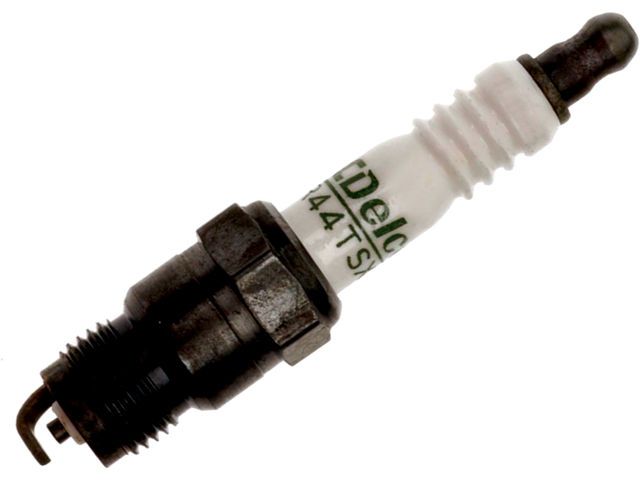
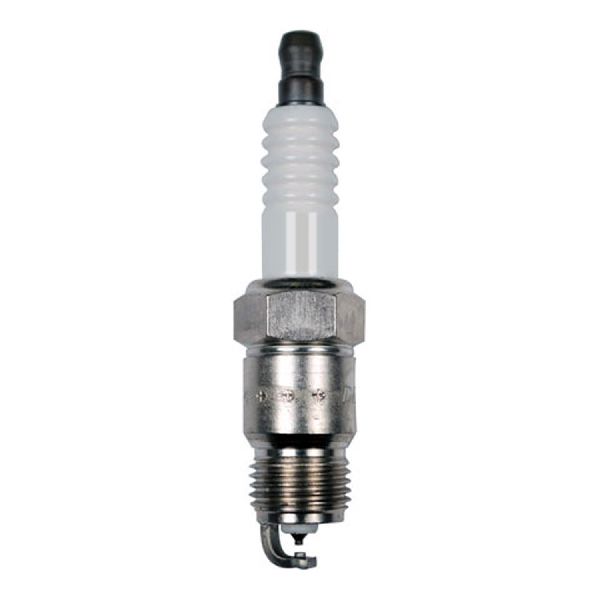
For a 1970s-era engine like the ones in your Skylark, you can't go wrong with a standard copper spark plug from a reputable brand. They provide performance perfectly suited for these vintage ignition systems and are very affordable. The popular ACDelco R45TS was the specified plug for many GM engines of this era.
Brand Quality Tiers
It's best to stick with established brands that have a long history of quality and reliability.
- Tier 1 (OEM & Equivalent): ACDelco is the original equipment manufacturer (OEM) for General Motors, making their conventional plugs a guaranteed correct choice. NGK and Denso are also top-tier brands known for excellent quality and are favorites among many classic car owners.
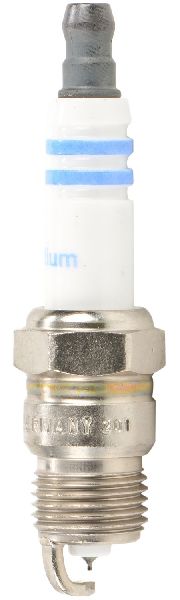
- Tier 2 (Reputable Aftermarket): Champion and Autolite are classic American brands that have been around for decades. They are solid, reliable, and budget-friendly choices for a stock Skylark engine. Bosch also produces dependable plugs suitable for this vehicle.
- Tier 3 (Performance & Budget): Brands like Accel and MSD are geared more toward high-performance and racing applications and are unnecessary for a stock vehicle. Skyward is a budget-friendly option, but may not offer the same quality control as more established names.
The Importance of the Spark Plug Gap
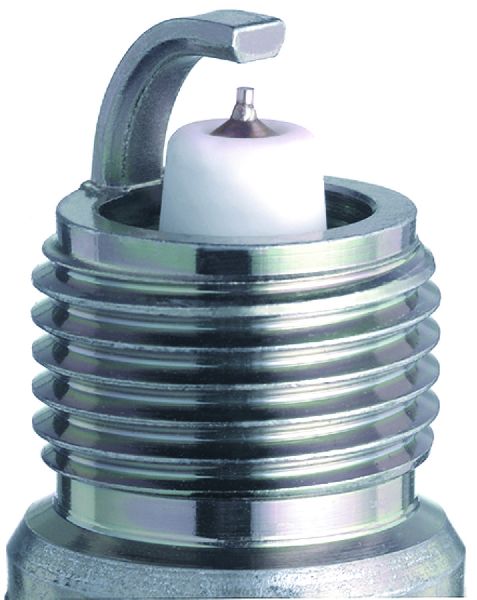
The "gap" is the small space between the two electrodes at the tip of the plug. The spark must jump this gap to ignite the fuel. This distance is critical and must be set to your engine's specification using a gapping tool. Never assume new plugs are gapped correctly out of the box; always check and adjust them before installation.
Aftermarket Spark Plug Cost
| Type | Price Range (per plug) | Notes |
|---|---|---|
| Standard Copper (Recommended) | $2.52 - $8.00 | Excellent choice for a stock Skylark. Includes brands like ACDelco, Champion, Autolite, and NGK. |
| Platinum / Iridium | $9.00 - $25.00 | Not required and offers little to no benefit for the original ignition system. |
| Performance / Racing | $10.00 - $90.21 | Only necessary for highly modified engines. |
Frequently Asked Questions
How often should I change the spark plugs on my classic Skylark?
For a classic car with a standard ignition system using conventional copper plugs, a good interval is every 20,000 to 30,000 miles or every 3-4 years, whichever comes first. Regular inspection is key, as plugs can become fouled by fuel or oil deposits.
Do I need expensive iridium or platinum spark plugs?
No. The ignition system on a 1975-1980 Skylark was designed for standard copper/nickel spark plugs. While modern plugs will work, they won't provide a noticeable performance benefit on this type of engine and are not a cost-effective choice.
What is the correct spark plug gap for my Skylark?
The correct gap varies by the specific engine in your car (e.g., 231 V6, 305 V8, 350 V8). It is critical to look up the correct specification for your exact year and engine combination. A common gap for GM V8s of this era with HEI ignition is around .045 inches, but you must verify.
Should I replace my spark plug wires at the same time?
It's a good idea to inspect your spark plug wires for cracks, brittleness, or corrosion whenever you change the plugs. On an older vehicle, replacing the wires, distributor cap, and rotor at the same time as the plugs is a good practice for a complete ignition tune-up.
Technical Specifications
The key specifications for your 1975-1980 Buick Skylark's spark plugs are the heat range, thread reach, and gap. These vary depending on the engine installed in your vehicle (e.g., 231 V6, 350 V8, 305 V8). A common ACDelco part number for GM V8s of this era is R45TS. It is critical to verify the correct part number for your specific engine before purchasing.
We Have This Part in Stock

The information in this article is provided for general reference and educational purposes only. Vehicle specifications, procedures, and part compatibility can vary by production date, trim level, and region. Always consult your vehicle's factory service manual and verify part numbers before purchasing or performing repairs. Safety-critical components such as airbags, seat belts, and braking systems should be installed by a qualified professional.