

Chevrolet G20 Distributor Replacement Guide (1975-1980)
Keep your classic G20 van running smoothly by understanding when and how to replace your distributor.
- A failing distributor can cause misfires, stalling, or a no-start condition in your G20.
- Upgrading from an old points system to a new HEI distributor is a major reliability improvement.
- For most owners, a new standard aftermarket HEI unit offers the best balance of cost and reliability.
- Performance brands like MSD and Pertronix offer better spark for modified engines, while remanufactured units from Cardone are a budget option with inconsistent quality.
Is Your G20's Distributor Failing?
A bad distributor can cause a range of problems, from poor performance to a van that won't start at all. Because this part is so critical to the engine's operation, it's important to recognize the warning signs. Problems often start with the simple wear-and-tear components like the cap and rotor before the entire unit fails.
Symptoms of a Bad Distributor
- Engine Misfires or Rough Idle: Worn terminals or cracks in the cap can cause the engine to misfire, run rough, or shake, especially when idling.
- Trouble Starting: A faulty distributor can make it difficult to start the engine or lead to a no-start condition where the engine cranks but won't fire up.
- Squealing Noises: High-pitched noises from the engine bay can sometimes be traced back to a failing distributor bearing or a dirty, clogged cap.
- Stalling: If the distributor fails to send power to the spark plugs correctly, the engine can stall unexpectedly while you're driving.
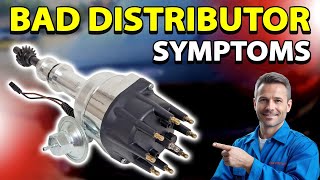
- Visible Damage: When you inspect the distributor cap, you might see cracks, carbon buildup on the terminals, or moisture inside. The internal rotor can also show signs of wear 🎬 Learn how to identify and fix a bad distributor cap. or damage.
OEM Parts are No Longer Practical
For a vehicle as old as the 1975-1980 G20, finding New Old Stock (NOS) OEM distributors is nearly impossible and extremely expensive. The original parts are long out of production. Your realistic options are new aftermarket parts or remanufactured units. For reliability and modern performance, a new aftermarket distributor is often the best choice.
Choosing the Right Aftermarket Distributor
Selecting a new distributor isn't just about finding a part that fits. You have options ranging from budget-friendly stock replacements to high-performance upgrades. Your choice depends on your needs and budget.
Brand & Quality Tiers
Not all aftermarket brands are created equal. Here’s a breakdown of what you can expect:
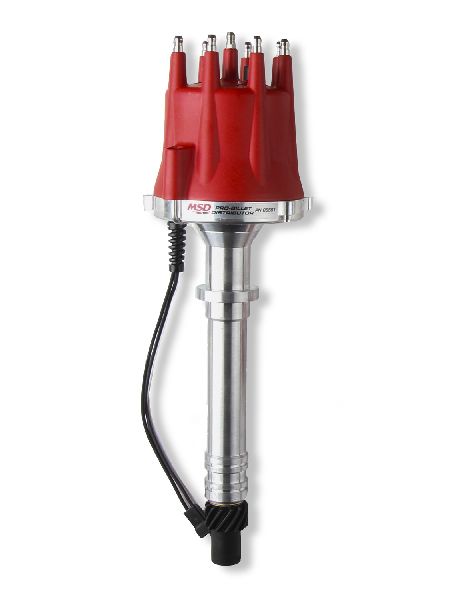
- Performance Brands (MSD, Edelbrock, Accel, Pertronix): These brands are known for high-performance ignition systems. They offer distributors that provide a stronger, more reliable spark, which can improve throttle response and high-RPM stability. MSD is often considered a top-tier choice for performance applications. Pertronix and Accel are also popular for upgrading from older points systems or for a reliable HEI setup.
- Standard Replacement (WAI Global): Brands like WAI Global offer new, direct-fit replacements that are designed to meet or exceed original factory specifications. These are a solid choice for a daily driver where you just need reliable, stock-level performance without the higher cost of a performance brand.
- Remanufactured (Cardone): Cardone is a major supplier of remanufactured parts, including distributors. While they offer a budget-friendly option and recycle old parts, quality can be inconsistent. Some users report success, while others experience premature failures. It's often a gamble, but can be a viable option if you're on a tight budget and get a properly rebuilt unit.
Pro Tip: Consider an HEI Upgrade
If your G20 still has an older points-style distributor, upgrading to a High Energy Ignition (HEI) unit is one of the best reliability and performance improvements you can make. HEI systems provide a much hotter spark, which helps with starting, idle stability, and overall engine performance. Many aftermarket distributors from brands like Pertronix and Accel are complete, drop-in HEI systems.
How Much Does a New Distributor Cost?
The cost will vary based on the brand and whether you do the work yourself or hire a professional.
| Part Type | Estimated Cost | 🎬 See more on distributor cap symptoms and replacement costs.
|---|---|
| New Aftermarket (Standard) | $111 - $250 |
| New Aftermarket (Performance) | $250 - $777 |
| Remanufactured | $80 - $150 (plus core charge) |
| Shop Labor | $100 - $200 |
Frequently Asked Questions
What is an HEI distributor?
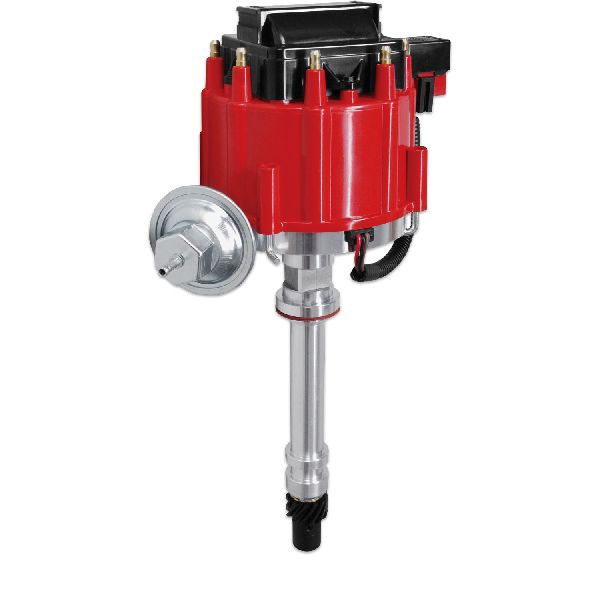
HEI stands for High Energy Ignition. It's an electronic ignition system developed by GM that integrates the ignition coil into the distributor cap. It produces a higher voltage spark than older points-based systems, leading to better performance, reliability, and easier starting.
Do I need a performance distributor for my G20?
For a stock engine used for daily driving or hauling, a standard replacement HEI distributor is perfectly adequate. However, if you have modified your engine for more power or want the absolute best in reliability and throttle response, a performance brand like MSD or Pertronix can be a worthwhile investment.
Can I replace the distributor myself?
Yes, this is a DIY-feasible job for someone with basic mechanical skills. The most critical steps are marking the position of the old distributor and rotor before removal to ensure the new one is installed in the correct orientation. Failure to do so will result in incorrect ignition timing, and the engine will not run properly, if at all.
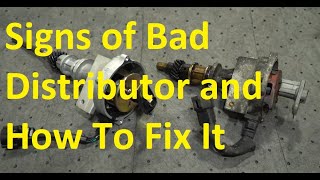
🎬 Watch this guide on how to fix a bad distributor.What is a 'core charge' for remanufactured parts?
A core charge is a deposit you pay when you buy a remanufactured part. You get this deposit back when you return your old, broken part to the store. This ensures a steady supply of old parts (cores) for the remanufacturer to rebuild.
Helpful Videos

Technical Specifications
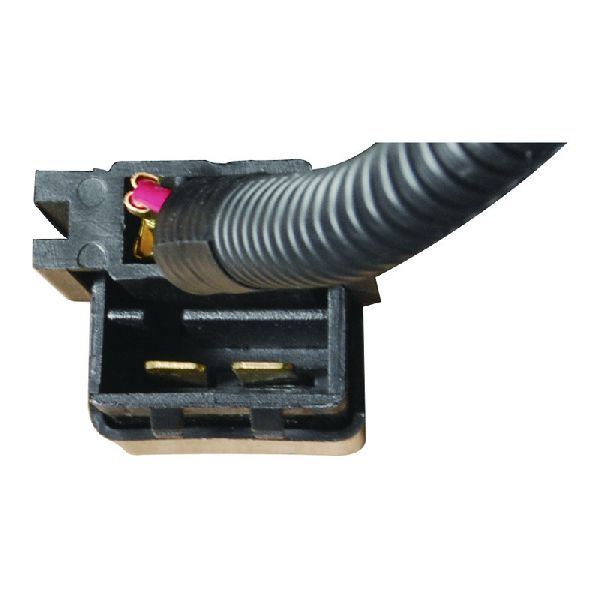
Most 1975-1980 Chevrolet G20 vans use a V8 engine with a High Energy Ignition (HEI) style distributor. This system features an integrated ignition coil in the cap and uses a mechanical and vacuum advance mechanism to control timing.
We Have This Part in Stock

The information in this article is provided for general reference and educational purposes only. Vehicle specifications, procedures, and part compatibility can vary by production date, trim level, and region. Always consult your vehicle's factory service manual and verify part numbers before purchasing or performing repairs. Safety-critical components such as airbags, seat belts, and braking systems should be installed by a qualified professional.
- 🎬 Helpful Videos
- 🛍️ Shop This Part
- Is Your G20's Distributor Failing?
- Symptoms of a Bad Distributor
- OEM Parts are No Longer Practical
- Choosing the Right Aftermarket Distributor
- Brand & Quality Tiers
- Pro Tip: Consider an HEI Upgrade
- How Much Does a New Distributor Cost?
- Frequently Asked Questions
- 🎟️ Get 5% Off