

Dodge B100 Horn Replacement Guide (1975-1980)
Everything a Dodge B100 owner needs to know about diagnosing and replacing a faulty horn.
- Horn failure is common on older vans and is usually an electrical issue like a bad relay, fuse, or ground.
- Before replacing, check the small adjustment screw on the horn body; a quick turn can sometimes fix the issue.
- Replacement is a simple DIY task, usually taking less than an hour.
- Standard Ignition is a reliable aftermarket brand, while generic 'Replacement' brands are a budget option with variable quality.
Is Your Dodge B100 Horn Not Working? Here’s Why.
If the horn on your 1975-1980 Dodge B100 has gone silent, the cause is usually simple. These vans have straightforward electrical systems. The problem is often not the horn itself, but a related part. The most common failures are a bad horn relay, a blown fuse, corroded wiring, or a poor ground connection. The horn button in the steering wheel can also wear out. Over decades, wires can fray and connections can rust, interrupting the power needed to make the horn sound.
Common Symptoms of a Failing Horn
- No Sound: The most obvious symptom. Pressing the horn button does nothing at all.
- Weak or "Tinny" Sound: If the horn sounds quiet or different than usual, it could be a sign of a bad ground connection or the horn unit itself failing. Some owners have noted that certain aftermarket horns can have a 'toylike' sound.
- Horn Works Intermittently: This often points to a loose wire, a failing relay, or a problem with the horn button contacts in the steering column.
- Horn is Stuck On: This is rare but usually indicates a shorted horn relay or a stuck horn button. Disconnect your battery immediately to prevent it from draining.
Pro Tip: Check the Adjustment Screw
Some horns on these older Dodge vans have a small adjustment screw. Before replacing the whole unit, try locating this screw on the horn body and turning it back and forth. Sometimes, this is all it takes to get a non-working horn to start working again.
Choosing the Right Aftermarket Horn
Finding a new original equipment (OEM) horn for a vintage B100 is nearly impossible. Thankfully, the aftermarket offers good, reliable options that fit and function correctly.
- Standard Ignition: A well-known brand that has been making parts for over a century. Standard Ignition horns are designed to be direct OE replacements, meaning they should fit without modification. They are considered a reliable, good-quality choice for daily drivers. While functionally solid, some users report the tone is not as deep as the original factory horn.
- Replacement (Generic): This category includes various budget-friendly brands. While the lower price is appealing, quality can be inconsistent. These are a workable option if budget is your main concern, but they may not have the same durability or sound quality as a brand like Standard Ignition.
Cost of Replacing a Dodge B100 Horn
Replacing the horn on your B100 is an affordable job, whether you do it yourself or have a shop handle it.
| Part/Service | Estimated Cost |
|---|---|
| New Aftermarket Horn | $36.29 - $57.52 |
| Shop Labor | $60 - $120 |
| Total (Parts + Labor) | $96.29 - $177.52 |
Cost estimates are for a single horn and do not include taxes or potential diagnostic fees.
Known Issues and Recalls
There are no specific recalls or Technical Service Bulletins (TSBs) from the NHTSA for horn-related issues on the 1975-1980 Dodge B100. Most problems are due to the age of the vehicle's electrical components rather than a specific manufacturing defect.
Frequently Asked Questions (FAQ)
Can I replace the horn myself?
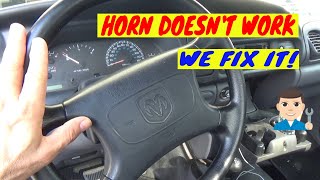
Yes, this is a great DIY job for beginners. 🎬 See this helpful walkthrough on how to fix a car horn. The horn is usually located behind one of the headlights. The process involves disconnecting the battery, unplugging the electrical connector, removing a single mounting bolt, and installing the new horn. The entire job typically takes less than an hour.
How do I test my old horn to see if it's really broken?
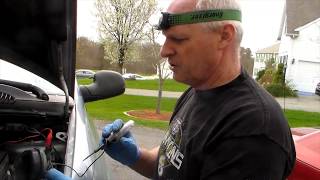
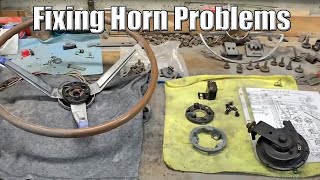
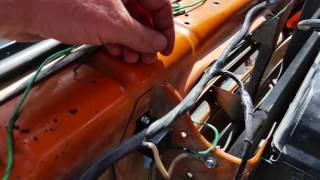
You can easily test the horn unit itself. After removing it, use two jumper wires to connect its terminals directly to your van's 12V battery. If the horn makes a sound, the problem is in your van's wiring, 🎬 Check out this guide on 1975 Dodge horn connections. relay, or horn button. If it stays silent, the horn unit is bad 🎬 Watch: This video shows how to test and fix Dodge horns. and needs to be replaced.
My new horn still doesn't work. What now?
If a new horn doesn't solve the problem, the issue is elsewhere in the circuit. The most likely culprits are the horn relay, the fuse, or the wiring. Check the fuse first. Then, check for bad grounds, especially at the steering column. Many owners of older vans find that cleaning up rusty ground connections or running a new ground wire solves the problem. Some owners even install a new, separate horn button on the dash to bypass faulty steering column wiring.
Should I get a high-tone or low-tone horn?
Many vehicles, including some Dodge vans, originally came with two horns: one high-tone and one low-tone that sound together to create a louder, more complex chord. If your van only has one horn, you can replace it with either a high or low tone. If you want a louder, more authoritative sound, consider installing a pair.
Helpful Videos
Technical Specifications
Voltage: 12V, Tone: High or Low
We Have This Part in Stock


The information in this article is provided for general reference and educational purposes only. Vehicle specifications, procedures, and part compatibility can vary by production date, trim level, and region. Always consult your vehicle's factory service manual and verify part numbers before purchasing or performing repairs. Safety-critical components such as airbags, seat belts, and braking systems should be installed by a qualified professional.