

Ignition Coil Guide for the 1975-1980 Dodge B300 Van
Keep your classic Dodge van's engine firing on all cylinders with the right ignition coil.
- The ignition system in your B300 requires a ballast resistor for a standard coil; replacing it with the coil is cheap insurance.
- A failing coil can test good when cold but fail when hot, causing frustrating intermittent stalling and no-start issues.
- For stock reliability, choose a standard replacement coil from a reputable brand like Standard Ignition or NGK.
- Replacement is a simple DIY job that requires only basic hand tools and takes less than an hour.
Is Your Dodge B300 Ignition Coil Failing?
A bad ignition coil in your 1975-1980 Dodge B300 can cause a range of frustrating problems. Because these vans use a single coil for the entire engine, a failure can leave you stranded. Symptoms often start small but get worse, especially as the coil heats up during use.
Common signs of a failing ignition coil include:
- No-Start Condition: The engine will crank over but won't fire up because there's no spark.
- Stalling: The engine may die unexpectedly, particularly when it's hot, and may not restart until it cools down.
- Rough Idle and Misfires: The engine may shake, sputter, or run poorly because of a weak or inconsistent spark.
- Poor Acceleration: You might notice a lack of power when you press the gas pedal.
- Backfiring: Unburned fuel can ignite in the exhaust, causing a loud popping sound.
A Critical Component: The Ballast Resistor
The ignition system on your 1975-1980 B300 was designed to use a ballast resistor. This ceramic piece reduces the voltage going to the coil while the engine is running, which prevents the coil from overheating and failing prematurely. When you are starting the engine, the resistor is bypassed to give the coil a full 12 volts for a stronger spark. A failing ballast resistor can cause no-start issues or burn out new coils. Always check or replace your ballast resistor when installing a new standard ignition coil.
Choosing the Right Aftermarket Ignition Coil
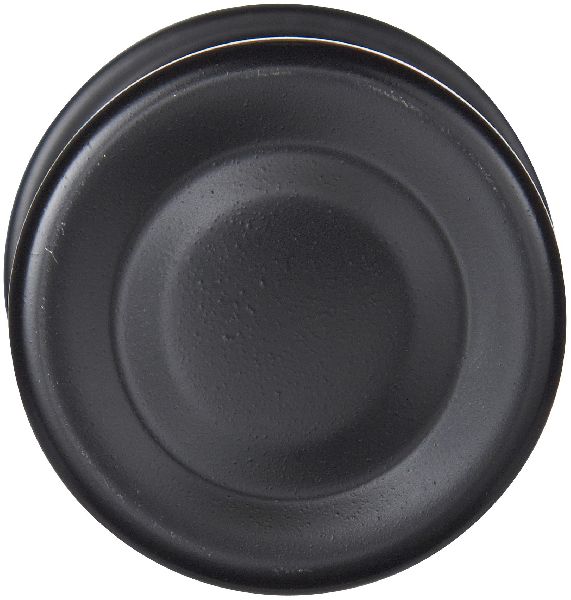
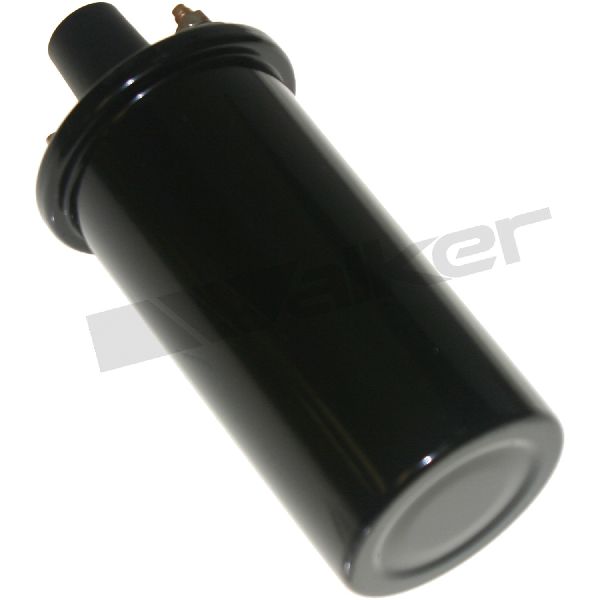
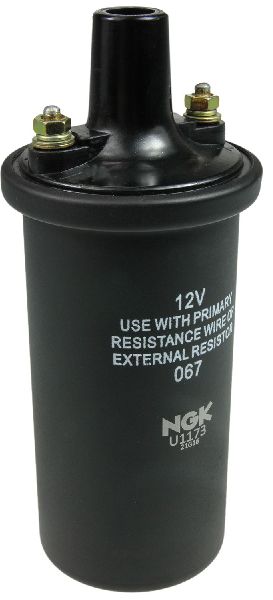
Original Mopar ignition coils for this era are no longer made. Fortunately, the aftermarket offers many good options. The ignition coil for your B300 is a classic canister-style, oil-filled coil. They are generally categorized into standard replacements and performance upgrades.
Brand Quality Tiers
- Tier 1 - OE-Style Replacements (Recommended for most owners): Brands like Standard Ignition (SMP), NGK, and Spectra Premium are known for making reliable, direct-fit parts that work perfectly with the stock ignition system, including the ballast resistor. These are your best bet for everyday reliability without needing other modifications.
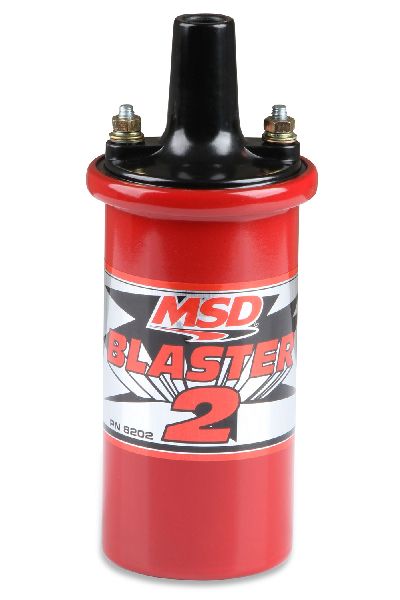
- Tier 2 - Performance Brands: Brands like MSD and Accel offer high-output coils that produce a hotter, more powerful spark. While this can offer a slight performance benefit, they are often more expensive and may perform best when paired with other ignition upgrades like an MSD ignition box. Some forum users report that Accel coils can have a higher failure rate than stock or other aftermarket brands.
- Tier 3 - Economy Brands: Brands like DriveWire, WAI Global, and Global Parts offer budget-friendly options. These can be a good choice if cost is the primary concern, but they may not have the same long-term durability or quality control as the higher-tiered brands.
Pro Tip: Oil-Filled vs. Epoxy Coils
Most coils for your B300 will be oil-filled, just like the original. The oil helps cool the internal windings. Some performance coils are epoxy-filled, which can offer better vibration resistance, but for a stock van, a quality oil-filled coil is perfectly adequate.
Aftermarket Ignition Coil Cost for a 1975-1980 Dodge B300
| Part Type | Price Range |
|---|---|
| Economy Aftermarket (e.g., DriveWire) | $20 - $35 |
| Standard Aftermarket (e.g., Standard Ignition, NGK) | $30 - $55 |
| Performance Aftermarket (e.g., MSD, Accel) | $50 - $86 |
Frequently Asked Questions (FAQ)
How do I test my B300's ignition coil?
You can test a canister-style coil with a multimeter. Disconnect all wires from the coil. To test the primary resistance, set your multimeter to a low ohms scale (like 200 ohms) and measure between the small positive (+) and negative (-) terminals. You should see a reading between 0.7 and 3 ohms. To test the secondary resistance, switch to a high ohms scale (like 20k ohms) and measure from one of the primary terminals to the large central tower. The reading should be between 6,000 and 15,000 ohms. A coil that fails either test is bad. However, a coil can sometimes test good when cold but fail when it heats up.
Do I have to replace the ballast resistor with the coil?
It's highly recommended. A faulty ballast resistor can destroy a new ignition coil by sending it too much voltage. They are inexpensive and easy to replace, so it's good insurance for your new coil.
Can I use a performance coil without a ballast resistor?
It depends on the coil. Some performance coils, like those from MSD, are designed to run on a full 12 volts and do not require a ballast resistor. However, you must read the manufacturer's instructions. If you use a standard replacement coil designed for a resistor system without the resistor, it will overheat and fail quickly.
Where is the ignition coil located on my Dodge B300?
The ignition coil is a small canister-shaped part typically mounted on the engine's intake manifold or sometimes on the firewall. It will have one large, thick wire going to the center of the distributor cap and two smaller wires attached to its terminals.
Technical Specifications
OEM Part Numbers: 3690569
External Canister Style, Oil Filled, 2-Terminal, For use with an external ballast resistor.
We Have This Part in Stock


The information in this article is provided for general reference and educational purposes only. Vehicle specifications, procedures, and part compatibility can vary by production date, trim level, and region. Always consult your vehicle's factory service manual and verify part numbers before purchasing or performing repairs. Safety-critical components such as airbags, seat belts, and braking systems should be installed by a qualified professional.
- 🛍️ Shop This Part
- Is Your Dodge B300 Ignition Coil Failing?
- A Critical Component: The Ballast Resistor
- Choosing the Right Aftermarket Ignition Coil
- Brand Quality Tiers
- Pro Tip: Oil-Filled vs. Epoxy Coils
- Aftermarket Ignition Coil Cost for a 1975-1980 Dodge B300
- Frequently Asked Questions (FAQ)
- 🎟️ Get 5% Off