

A Guide to the Mechanical Fuel Pump for the 1975-1980 Dodge B300
Keep your classic Dodge van running strong by understanding its fuel pump needs and choosing the right replacement part.
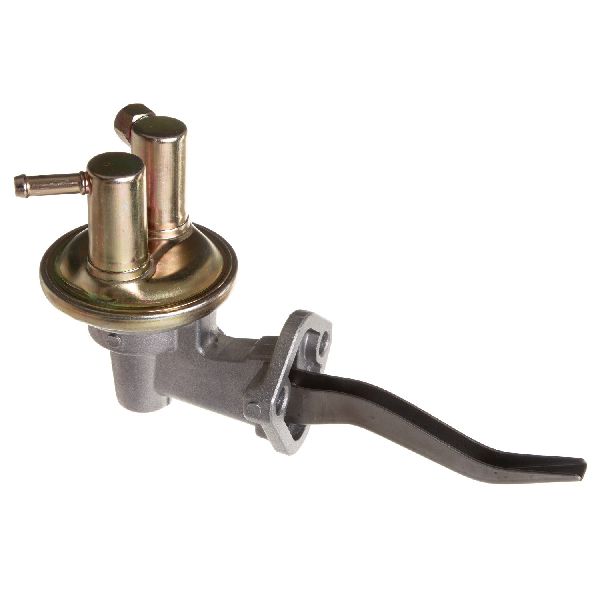
- Verify if your van needs a 2-port or 3-port pump before ordering a replacement.
- For a stock engine, a standard replacement pump from a brand like Carter is a reliable and popular choice.
- Always replace the fuel filter when you install a new fuel pump to protect it from debris.
- If you see or smell a fuel leak from the pump, stop driving immediately as it is a fire hazard.
Is Your Dodge B300 Fuel Pump Failing?
A failing mechanical fuel pump can cause a range of engine problems, from annoying to serious. Because these vans are from a pre-computer era, there won't be a 'Check Engine' light or diagnostic codes to point you to the problem. You have to rely on the symptoms. The most common cause of failure is a ruptured internal diaphragm, which reduces or eliminates fuel pressure.
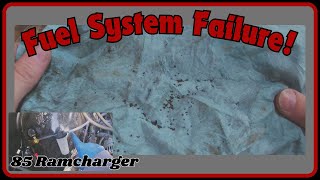
🎬 Watch: Troubleshooting a fuel system failure on a Mopar 360Common Symptoms of a Bad Fuel Pump:
- Engine Sputtering or Hesitation: Especially when you accelerate, the engine may stumble or feel like it's running out of gas. This happens because the weak pump can't supply the extra fuel the engine needs.
- Loss of Power: You might notice the van struggling to go up hills or maintain speed when carrying a heavy load.
- Hard Starting or Stalling: The engine may take a long time to start or stall out unexpectedly, either at idle or while driving. If the pump fails completely, the engine won't start at all.
- Visible Fuel Leaks: A serious symptom is a visible gasoline leak from the pump body itself. This is a fire hazard and should be addressed immediately.
Pro Tip: Before blaming the fuel pump, check for other simple issues. Make sure you have gas in the tank, and check for a clogged fuel filter or cracked rubber fuel hoses. On hot days, older vehicles can sometimes experience 'vapor lock,' where fuel turns to vapor in the line, which can mimic fuel pump failure.
Choosing the Right Aftermarket Fuel Pump
For a vehicle from the 1970s, finding a new original equipment (OEM) Mopar fuel pump is highly unlikely. The market consists entirely of aftermarket replacements. Quality can vary, but several reputable brands have been making these pumps for decades. They generally fall into a few tiers.
Brand Tiers for Your B300
- Premium/Performance (Holley, Edelbrock): Brands like Holley and Edelbrock are well-regarded in the classic Mopar community. They often offer higher flow rates and durable construction. Some models are 'clockable,' meaning you can rotate the base to make fitting your fuel lines easier. These are excellent choices but may be overkill for a stock engine.
- Quality Standard (Carter, Delphi): Carter is a very popular and trusted name for stock replacement mechanical fuel pumps. In forum polls, many Mopar owners recommend Carter for its reliability and correct pressure output for stock carburetors. Delphi is another trusted OEM supplier, though some sources suggest that for this application, Delphi and other brands like Airtex may be manufactured by Carter.
- Economy (Spectra, GMB, US Motor Works): These brands offer a cost-effective solution to get your van back on the road. While they may not have the long-standing reputation of Carter or Holley, they are readily available and meet basic requirements.
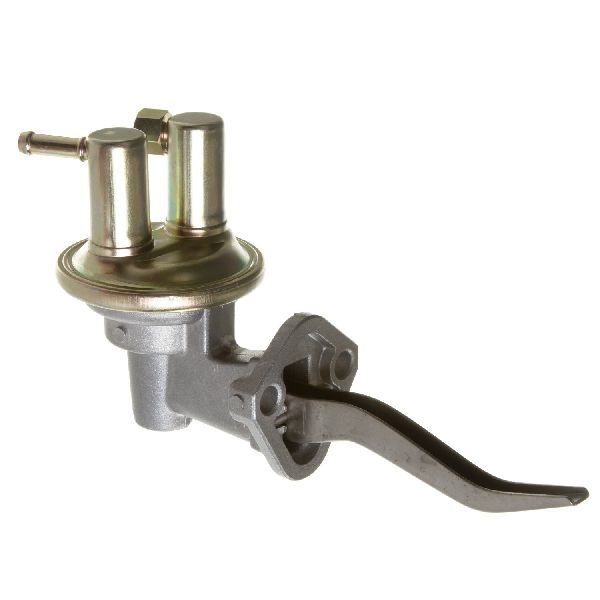
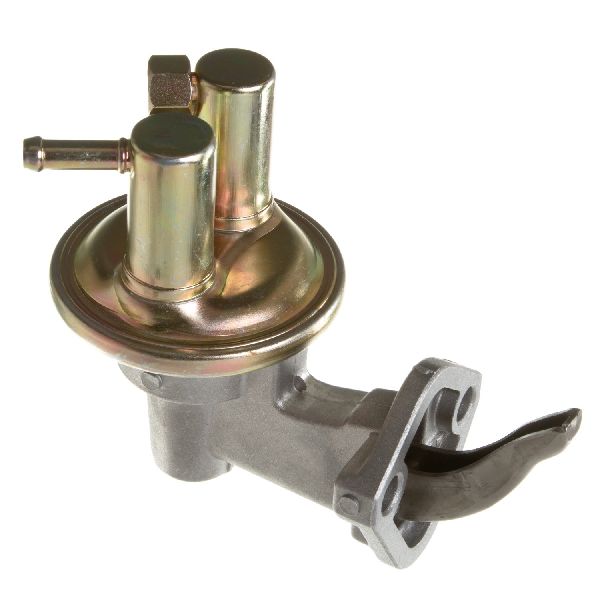
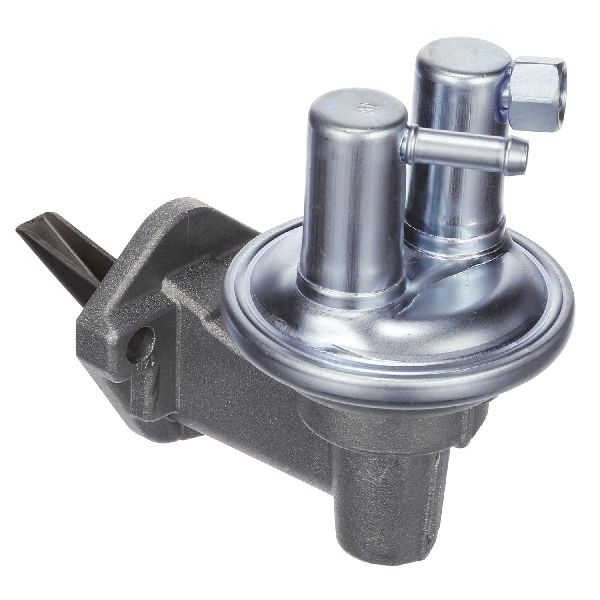
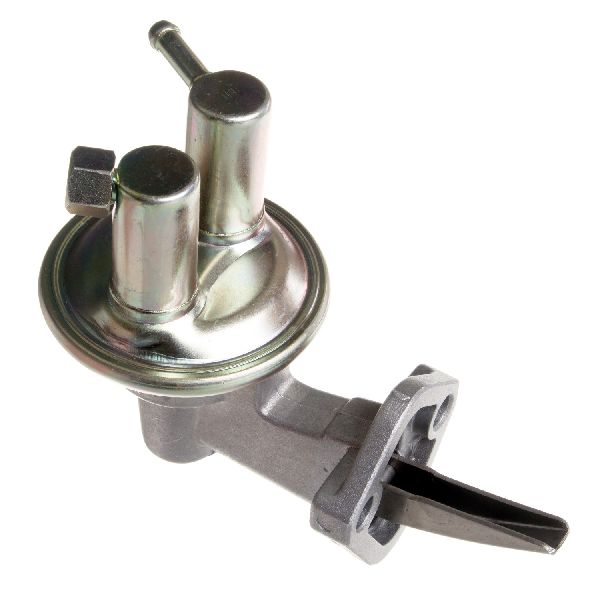
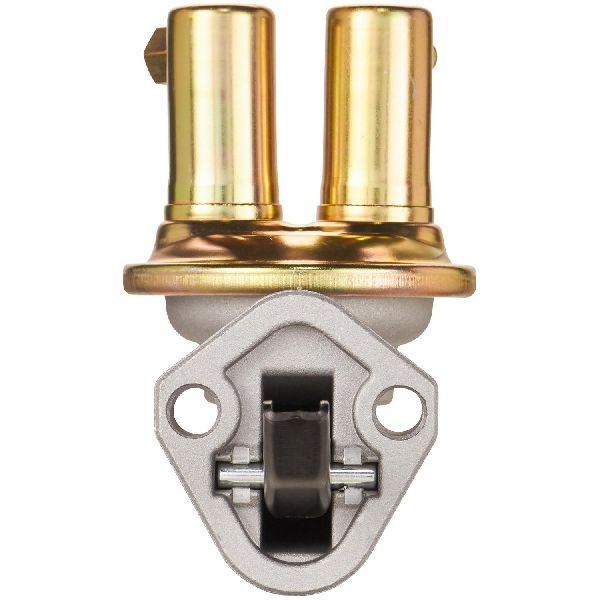
Important: Check Your Ports! Before ordering, look at your existing fuel pump. Count the number of ports. Most will have two (an inlet from the tank and an outlet to the carburetor). Some models, however, use a three-port pump that includes a third line for vapor return. Ordering the wrong configuration will stop your installation in its tracks.
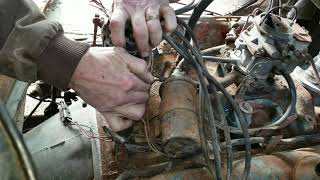
🎬 See how to test new lines and pumps on a B-series vanEstimated Costs for Replacement
Replacing the mechanical fuel pump on a Dodge B300 is a relatively inexpensive repair. The parts are affordable, and the labor is straightforward for a mechanic.
| Item | Estimated Cost |
|---|---|
| New Aftermarket Mechanical Fuel Pump | $35 - $60 |
| Shop Labor | $100 - $200 |
| Total Estimated Cost | $135 - $260 |
Frequently Asked Questions
Is it hard to replace the fuel pump on a 1975-1980 B300?
No, for someone with basic mechanical skills, it is a fairly easy job. Access can be a little tight, but it typically involves disconnecting two fuel lines and removing two bolts that hold the pump to the engine block. The most important part is being safe with gasoline and ensuring the new gasket seals properly.
Do I need a fuel pressure regulator with a new mechanical pump?
For a stock engine with a stock carburetor, you should not need a regulator if you buy the correct pump. Standard replacement pumps from brands like Carter are designed to output the correct 5-6 PSI. Some high-performance Holley pumps may have higher pressure and require a regulator to avoid flooding the carburetor.
Were there any recalls for the B300 fuel pump?
No, searches of the National Highway Traffic Safety Administration (NHTSA) database and other records show no recalls or technical service bulletins (TSBs) specifically for the mechanical fuel pump on the 1975-1980 Dodge B300.
How do I test my mechanical fuel pump?
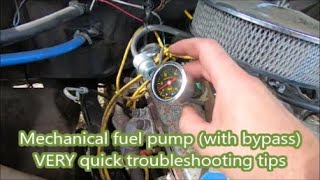
A simple way is to disconnect the fuel line from the carburetor inlet, place the end of the line into a safe container, and have a helper crank the engine. You should see strong, steady spurts of fuel. If you see a weak trickle or nothing, and you've ruled out a clogged filter or line, the pump is likely bad. For a more precise test, you can use a fuel pressure gauge connected between the pump and carburetor to measure the PSI.
🎬 Watch: Pro tips for troubleshooting mechanical pump pressure and bypass issuesHelpful Videos
Technical Specifications
Camshaft-driven diaphragm pump. Typical pressure: 5-6 PSI. Available in 2-port (inlet/outlet) or 3-port (inlet/outlet/vapor return) configurations.
We Have This Part in Stock

The information in this article is provided for general reference and educational purposes only. Vehicle specifications, procedures, and part compatibility can vary by production date, trim level, and region. Always consult your vehicle's factory service manual and verify part numbers before purchasing or performing repairs. Safety-critical components such as airbags, seat belts, and braking systems should be installed by a qualified professional.