

Catalytic Converter Guide for 1975-1980 Dodge D100 Trucks
Keep your classic Dodge D100 running clean and strong with the right catalytic converter.
- A clogged converter will cause significant power loss; a broken one will rattle.
- For this truck, new aftermarket is your only option. Direct-fit is much easier than universal.
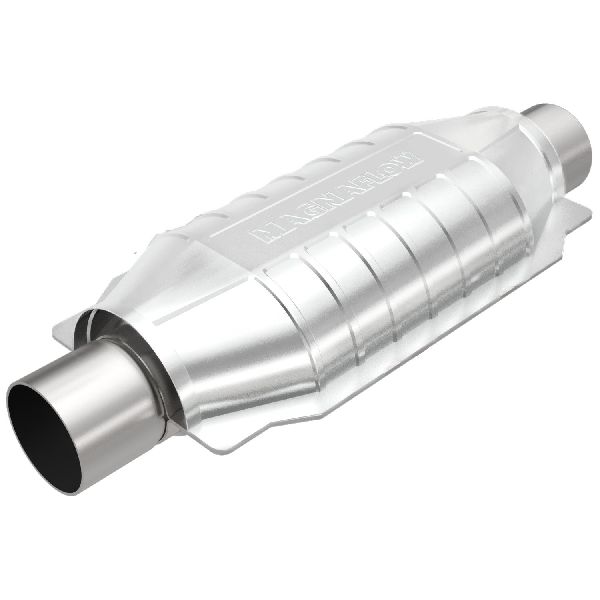
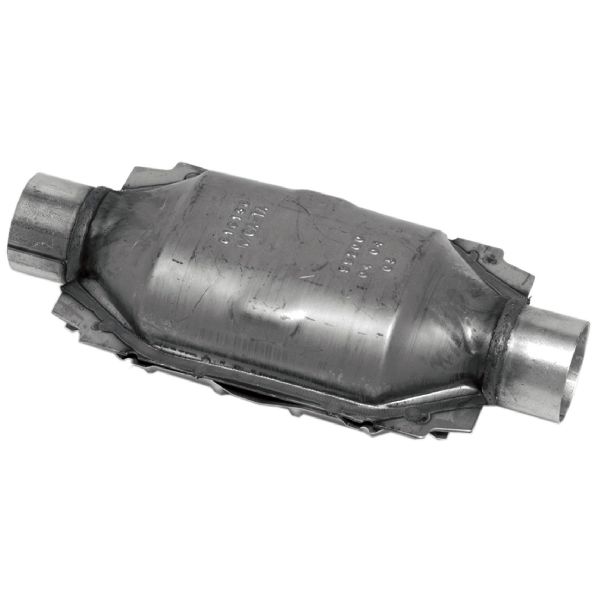
- MagnaFlow is a top-tier choice for performance and durability; Walker is a reliable OE-style replacement.
- Ensure your carburetor is well-tuned before installing a new converter to prevent premature failure.
Is Your D100's Catalytic Converter Failing?
On a classic truck like the 1975-1980 Dodge D100, the signs of a bad catalytic converter are usually straightforward. Because these trucks don't have modern computer systems, you need to rely on what you can see, hear, and smell.
- Sluggish Performance: If your truck feels like it has lost power or struggles to accelerate, the converter could be clogged. A clog acts like a potato in the tailpipe, creating backpressure that chokes the engine.
- Rattling Noises: A rattling or clunking sound from under the truck, especially when starting or idling, can mean the honeycomb structure inside the converter has broken apart. You might be able to confirm this by tapping on the converter (when it's cold) and listening for loose pieces.
- Rotten Egg Smell: A strong sulfur or rotten egg smell from the exhaust is a classic sign that the converter isn't processing exhaust gases correctly.
- Excessive Heat: A clogged converter can trap a huge amount of heat. In extreme cases, you might feel this heat under the floor of the cab, or even see the converter glowing red after a drive.
- Failed Emissions Test: If your state requires emissions testing for older vehicles, a failing or dead converter is a guaranteed failure.
Choosing the Right Aftermarket Converter
Finding a new original Mopar catalytic converter for a 1975-1980 D100 is nearly impossible. The market today is all about new aftermarket parts, which often use more modern and efficient technology than the originals. Your choice comes down to fitment, brand reputation, and your budget.
Direct-Fit vs. Universal:
- A Direct-Fit converter is designed to bolt right into your specific truck's exhaust system with no modifications needed. This is the best choice for an easier, faster installation.
- A Universal converter is a generic part that requires cutting and welding to fit into your exhaust pipe. It's usually cheaper but requires more labor and fabrication skills to install correctly.
Brand Quality Tiers:
The price range for aftermarket converters, from under $100 to over $1000, reflects the quality of materials and construction. For your D100, you can group the available brands into a few tiers:
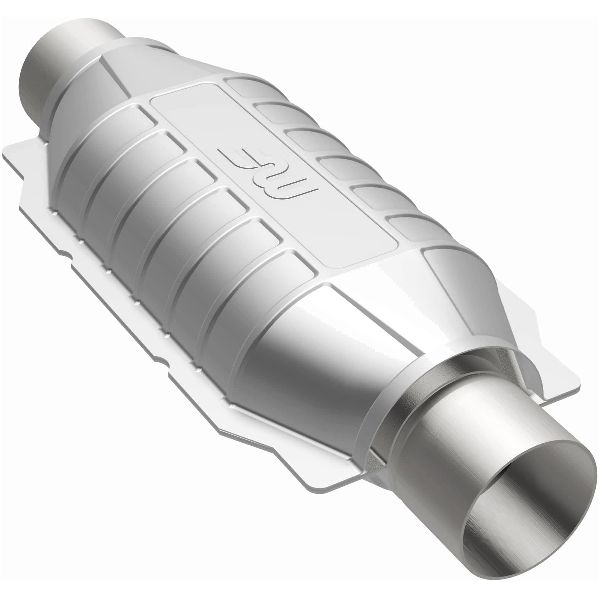
- Performance (High-Tier): Brands like MagnaFlow are known for high-quality stainless steel construction that resists rust and damage. They often design their converters for better exhaust flow, which can slightly improve performance and sound. They are a top choice but come at a higher price.
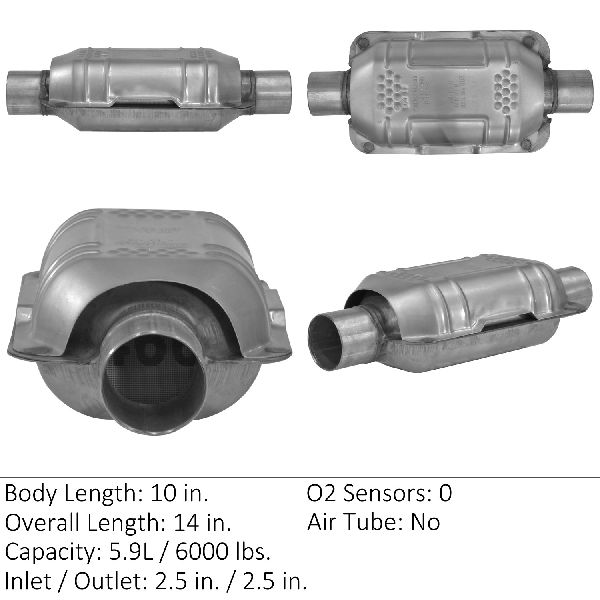
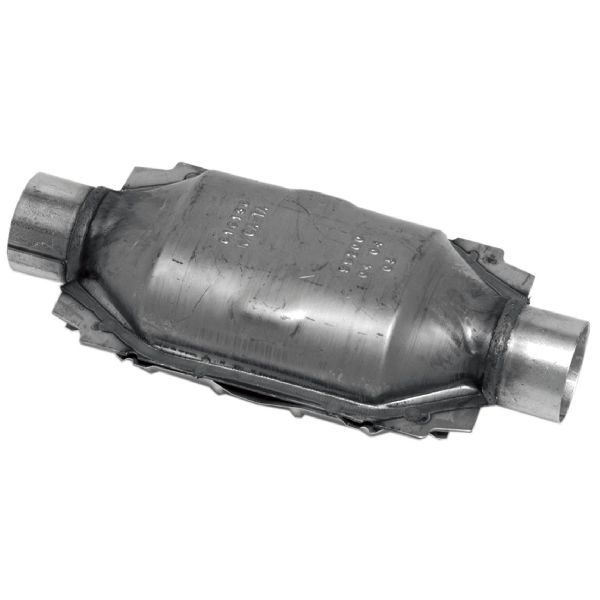
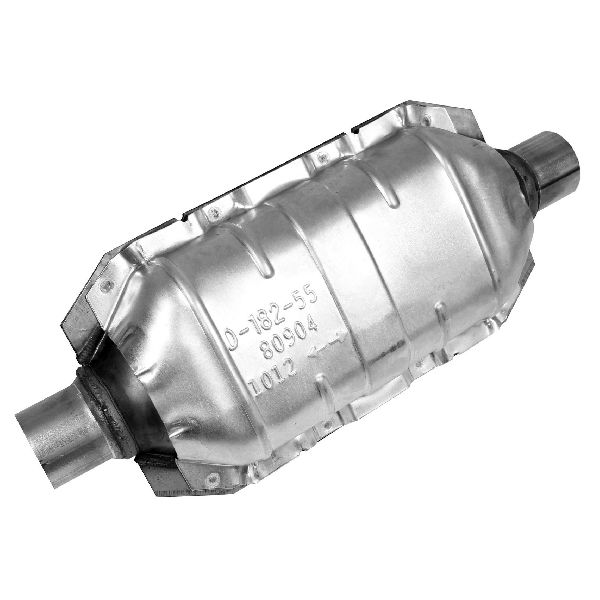
- Standard OE-Style (Mid-Tier): Walker Exhaust is a very well-known brand that focuses on making parts that fit and function like the original equipment. They are a reliable choice for a standard replacement and are often recommended by mechanics.
- Economy (Value-Tier): Brands like AP Exhaust and Eastern Catalytic offer more budget-friendly options. While they get the job done and meet basic EPA requirements, some user reviews suggest fitment can sometimes be less precise and longevity might not match premium brands.
Pro Tip: For a carbureted engine like the one in your D100, running too rich (too much fuel) can quickly damage a new catalytic converter by causing it to overheat. Before you replace your converter, make sure your carburetor is properly tuned to avoid destroying the new part.
Known Issues, Recalls, and TSBs
For the 1975-1980 Dodge D100, there are no active recalls or common Technical Service Bulletins (TSBs) related to the catalytic converter. These trucks are from a much simpler, pre-computerized era. Any issues you face will be due to the age and wear of the part itself, not a manufacturing defect covered by a recall.
Frequently Asked Questions (FAQ)
Do I legally need a catalytic converter on my 1978 D100?
Yes. Federal law requires a catalytic converter on any vehicle that was originally equipped with one. Removing it is illegal. Even if your area doesn't have emissions testing, you are still legally required to have a functioning converter.
Will a new converter hurt my truck's performance?
No, a new converter will not hurt performance. In fact, if your old one is clogged, a new one will restore lost power. While a high-flow converter from a brand like MagnaFlow might offer a small performance gain over a standard replacement, the biggest difference you'll feel is from replacing a clogged, failing part with a new, functioning one.
What's the difference between a clogged and a broken converter?
A clogged converter is blocked, preventing exhaust from flowing freely. This causes a loss of power, poor acceleration, and excess heat. A broken converter is when the internal honeycomb material has physically broken apart, which causes a rattling sound. Often, the broken pieces will then tumble and create a clog.
Can I just 'gut' my old converter or replace it with a pipe?
While possible, it is illegal in the United States. It will also cause your truck to pollute the air significantly more. For carbureted trucks, removing the converter can sometimes affect how the engine runs due to changes in exhaust backpressure.
Technical Specifications
Fitment and configuration can vary based on the specific year, engine (Slant-6 or V8), and wheelbase of your D100. Some systems were single exhaust, while others may have had duals from the factory or been modified. Always verify the inlet/outlet diameter and overall shape against your existing system before ordering. The most common aftermarket converters for this era are universal or direct-fit with either 2-bolt or 3-bolt flanges, or require welding.
We Have This Part in Stock

The information in this article is provided for general reference and educational purposes only. Vehicle specifications, procedures, and part compatibility can vary by production date, trim level, and region. Always consult your vehicle's factory service manual and verify part numbers before purchasing or performing repairs. Safety-critical components such as airbags, seat belts, and braking systems should be installed by a qualified professional.