

A Guide to the Ignition Coil on Your 1975-1980 Dodge D300
Keep your classic Dodge truck running strong by understanding this simple but vital ignition part.
- A failing ignition coil will cause significant, noticeable engine problems like stalling, misfiring, or a no-start condition.
- Symptoms of a bad coil are very similar to a bad ballast resistor; it is highly recommended to replace the inexpensive ballast resistor at the same time as the coil.
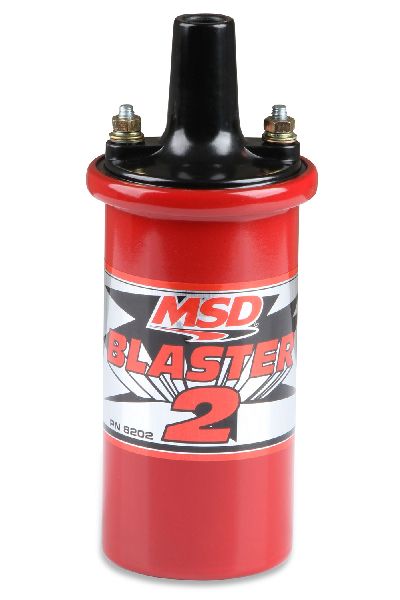
- For a stock truck, a standard replacement coil from a reputable brand like NGK or Standard Ignition is sufficient; performance coils from Accel or MSD are better for modified engines.
- Replacing the ignition coil is a very simple, DIY-friendly job that requires basic tools and can be completed in under 30 minutes.
Signs of a Failing Ignition Coil
Because your entire engine depends on a single ignition coil, a failure can bring your truck to a sudden stop. If your coil is starting to wear out, you'll likely notice some clear performance problems. Watch for these common symptoms:
- Engine Stalling: The truck might run for a while, then suddenly die as the coil overheats. It may restart after it cools down, only for the problem to happen again.
- No-Start Condition: You'll hear the engine crank, but it won't fire up. This often happens when the coil has failed completely and isn't producing any spark.
- Rough Idle and Misfiring: A weak or inconsistent spark can cause the engine to shake, shudder, or run unevenly, especially at a stop.
- Weak Performance: If the coil isn't delivering enough voltage, the spark will be too weak to burn fuel efficiently. This leads to sluggish acceleration and a noticeable loss of power.
- Backfiring: Loud popping sounds from the exhaust can occur when unburned fuel from a misfiring cylinder ignites in the exhaust system.
A Note on the Ballast Resistor
A very common issue on these classic Dodge trucks is a failing ballast resistor. This small ceramic part reduces voltage to the coil to prevent it from overheating during normal driving. Symptoms of a bad ballast resistor—stalling when hot, no-start—are nearly identical to a bad coil. It's a cheap and easy part to replace, and it is highly recommended to replace the ballast resistor whenever you replace the ignition coil.
Choosing the Right Aftermarket Coil
Finding a new Mopar-branded ignition coil for a truck of this age is nearly impossible. Thankfully, the aftermarket provides many excellent options that are as good as, or even better than, the original. They generally fall into a few categories:
| Brand Tier | Brands Available | Best For |
|---|---|---|
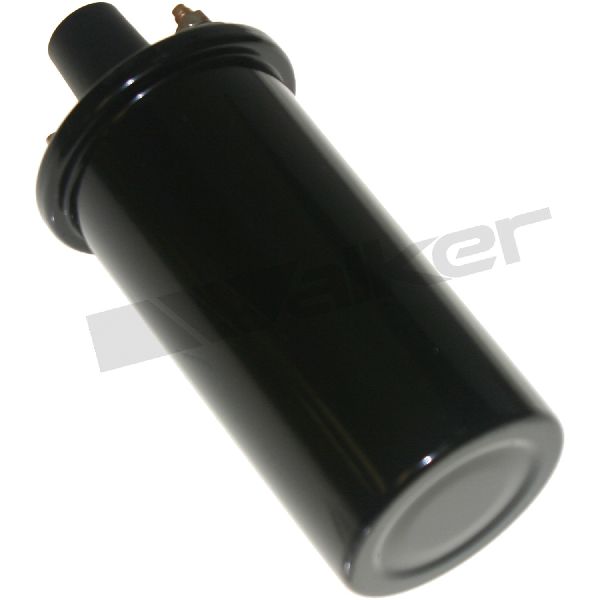
| Standard Replacement | DriveWire, Global Parts, Spectra, WAI Global, Walker Products | These brands offer affordable, direct-fit replacements that are perfect for a stock daily driver or a budget-friendly repair. They are designed to meet original factory specifications. |
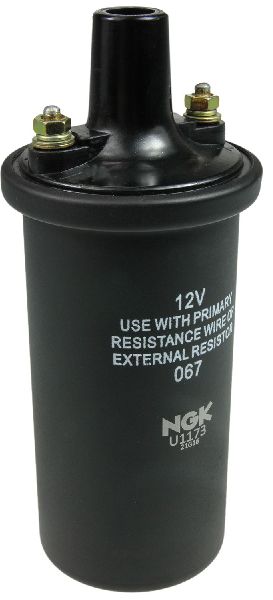
| OEM-Quality / Premium | NGK, Standard Ignition (SMP) | For owners who want proven reliability and longevity, these brands are a great choice. They have a strong reputation for producing high-quality ignition components that you can depend on. |
| High Performance | Accel, MSD | If you're looking for an upgrade, these brands offer coils that produce a hotter, higher-voltage spark. This can lead to a smoother idle and better throttle response, especially if you have other engine modifications. |
Oil-Filled vs. Epoxy-Filled Coils
Most coils for your D300 will be traditional oil-filled canisters, which is fine for most applications. Some performance coils are epoxy-filled, which can offer better vibration resistance and cooling. If your truck's coil is mounted horizontally (sideways), make sure the coil you buy is rated for horizontal mounting to prevent premature failure.
Frequently Asked Questions
Can I replace the ignition coil myself?
Yes, this is a very easy job for a beginner. The coil is usually mounted on the engine or fender with a simple bracket and held by one or two bolts. You only need basic hand tools, and the job typically takes less than 30 minutes.
Is a performance coil worth it for my stock D300?
For a completely stock engine, a quality standard replacement from a brand like NGK or Standard Ignition is all you need. While a performance coil from MSD or Accel might provide a slightly smoother idle, you won't see significant power gains without upgrading other parts of the ignition system as well.
What is a ballast resistor and why should I replace it?
The ballast resistor is a ceramic block that works with your ignition coil. Its job is to lower the voltage going to the coil while the engine is running to prevent it from overheating. A failing ballast resistor is a very common cause of stalling and no-start issues on these trucks and can be easily misdiagnosed as a bad coil. Since it's an inexpensive part, it's a smart move to replace it at the same time as your coil.
How do I know if it's the coil or something else?
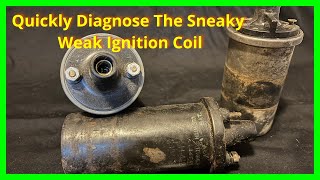
A weak spark is a common symptom of a failing coil. While you may still see a spark when testing, it might not be strong enough to run the engine under load. 🎬 Watch this guide to help diagnose a sneaky weak ignition coil. Because the symptoms are so similar to a bad ballast resistor or a failed electronic ignition control module, it's wise to inspect the whole system. However, given the low cost and ease of replacement, the coil and resistor are good starting points for troubleshooting.
Helpful Videos
Technical Specifications
This vehicle uses a single, canister-style, oil-filled or epoxy-filled ignition coil as part of an electronic, distributor-based ignition system. It works in conjunction with an external ballast resistor.
We Have This Part in Stock


The information in this article is provided for general reference and educational purposes only. Vehicle specifications, procedures, and part compatibility can vary by production date, trim level, and region. Always consult your vehicle's factory service manual and verify part numbers before purchasing or performing repairs. Safety-critical components such as airbags, seat belts, and braking systems should be installed by a qualified professional.