

A Guide to Spark Plugs for the 1975-1980 Mercury Bobcat
Keep your classic Bobcat's engine running smoothly with the correct new spark plugs.
- For a stock 1975-1980 Mercury Bobcat, standard copper spark plugs from brands like Motorcraft or Autolite are the most effective and economical choice.
- Always verify the spark plug gap is set to 0.034 inches before installation.
- Replacing spark plugs is a simple, low-cost maintenance item that can significantly improve your engine's performance and fuel economy.
- The 2.3L 4-cylinder and 2.8L V6 engines have excellent access, making this a very easy DIY job for any owner.
Signs of Failing Spark Plugs
When your Bobcat's spark plugs are wearing out, the engine will let you know. You might notice the engine idling rougher than usual or hear sputtering sounds. Other common signs include difficulty starting the car, a noticeable drop in fuel mileage, and sluggish acceleration. If the engine misfires, which feels like a hesitation or stumble during acceleration, bad spark plugs are a likely cause.
Choosing the Right Aftermarket Spark Plugs
For a vintage vehicle like the 1975-1980 Mercury Bobcat, you have several good options for aftermarket spark plugs. The original plugs were a standard copper design, and for a stock engine, these are often still the best and most affordable choice.
Spark Plug Brand Tiers
| Tier | Brands | Quality & Materials |
|---|---|---|
| OEM-Equivalent | Motorcraft, Autolite | Motorcraft was the original brand for Ford and Mercury vehicles. Autolite often manufactures plugs for Motorcraft, so their quality is very similar and reliable for your Bobcat. Standard copper plugs from these brands are an excellent choice for originality and performance. |
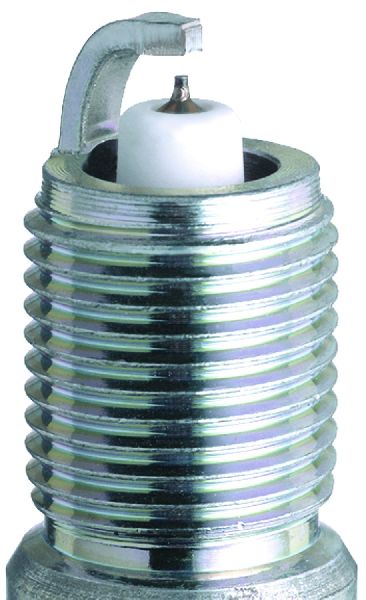
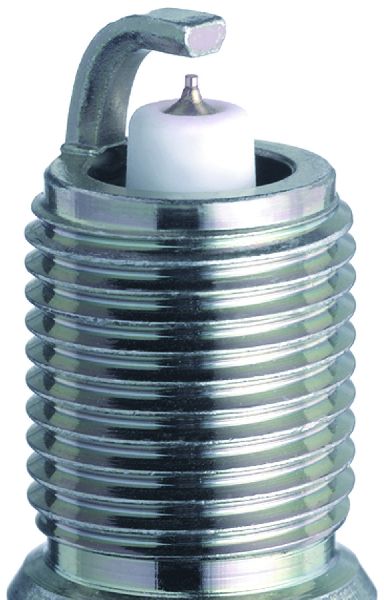
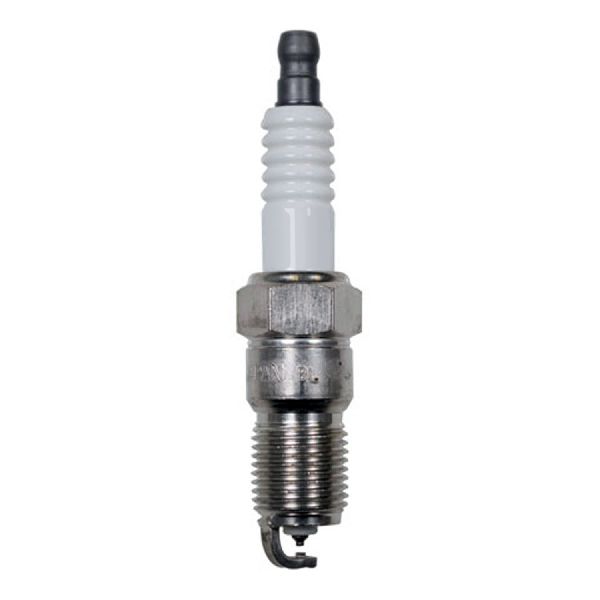
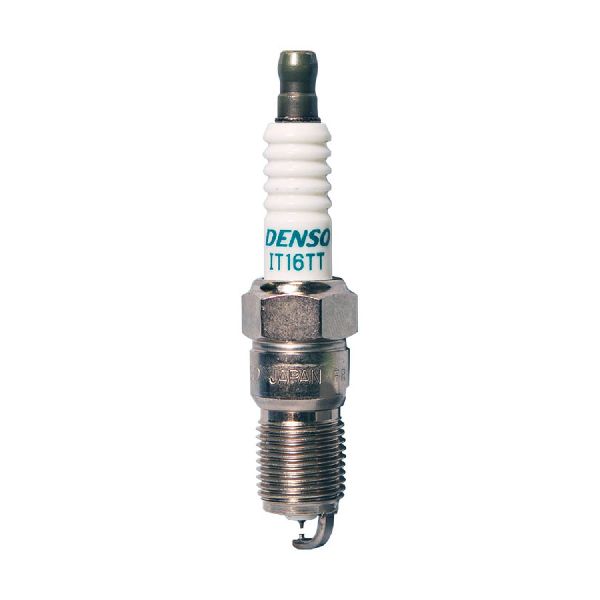
| Top-Tier Aftermarket | NGK, Denso | NGK and Denso are highly respected Japanese brands known for excellent quality. They offer standard copper plugs that work very well in the Bobcat's engines, as well as platinum and iridium options for longer life. |
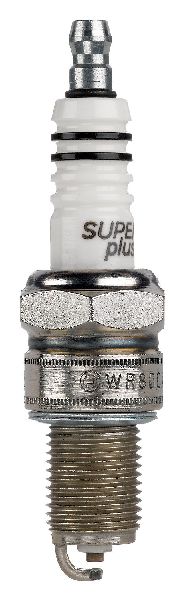
| Standard Aftermarket | Champion, Bosch | Champion and Bosch are well-known brands that offer reliable and affordable spark plugs. They are a perfectly good choice for a daily driver or a car that gets regular tune-ups. |
Pro Tip: While modern iridium and platinum plugs last longer, they are not necessary for the Bobcat's simple ignition system. Standard copper plugs provide a strong spark and are very affordable. Just be sure to change them more frequently, around every 15,000 to 20,000 miles, to keep the engine in top shape.
Known Issues, Recalls, or TSBs
There are no active recalls or specific Technical Service Bulletins (TSBs) related to spark plugs for the 1975-1980 Mercury Bobcat. The vehicle's simple design means spark plug replacement is straightforward. Any TSBs found for Ford spark plugs, such as TSB 08-7-6, relate to much newer engines with different designs and do not apply to the Bobcat.
Frequently Asked Questions
How often should I change my Bobcat's spark plugs?
If you use standard copper-core plugs, like the originals, it's best to replace them every 15,000 to 20,000 miles. If you opt for more expensive platinum or iridium plugs, you can extend that interval to 40,000 miles or more, but they offer little performance benefit on this engine.
What is the correct spark plug gap for my Mercury Bobcat?
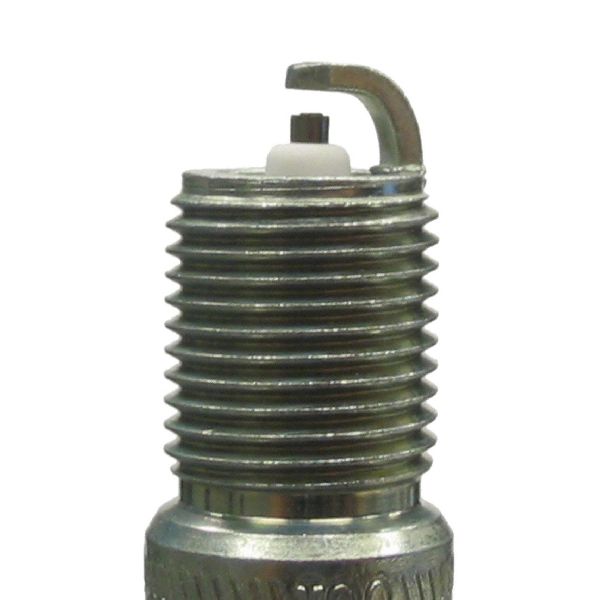
The correct spark plug gap is crucial for a good spark. For both the 2.3L and 2.8L engines in the Bobcat, the recommended gap is typically 0.034 inches. Always double-check the gap with a feeler gauge before installing new plugs.
Do I need special tools to change the spark plugs?
No, the job is simple and requires only basic hand tools. You will need a ratchet, a spark plug socket (which has a rubber insert to protect the plug), and a spark plug gap tool. Access to the plugs on both the 2.3L and 2.8L engines is generally easy.
Should I use anti-seize on the new spark plugs?
This is a topic of debate. Some mechanics recommend a very small amount of anti-seize on the plug threads to make future removal easier. However, many modern plugs have a special coating that serves the same purpose, and using anti-seize can cause you to over-tighten the plug. Check the plug manufacturer's recommendation; if in doubt, install them clean and dry.
Technical Specifications
OEM Part Numbers: SP-442-X SP-486-X
Spark Plug Gap: 0.034 inches (for both 2.3L I4 and 2.8L V6 engines).
We Have This Part in Stock

The information in this article is provided for general reference and educational purposes only. Vehicle specifications, procedures, and part compatibility can vary by production date, trim level, and region. Always consult your vehicle's factory service manual and verify part numbers before purchasing or performing repairs. Safety-critical components such as airbags, seat belts, and braking systems should be installed by a qualified professional.