

A Guide to the Starter Motor for the 1975-1980 Mercury Monarch
Don't get stranded—understand the unique starting system and find the right replacement starter for your classic Monarch.
- Always diagnose the fender-mounted solenoid first; a single click often means the solenoid is the problem, not the starter.
- Upgrading to a high-torque mini-starter from a brand like Powermaster or Ford Performance can solve heat-soak issues and provide more reliable starting.
- You must know your engine's flywheel tooth count (typically 157 or 164) to order the correct replacement starter.
- Poor starting is often caused by bad grounds or corroded battery cables; ensure all connections are clean and tight.
Understanding Your Monarch's Starting System
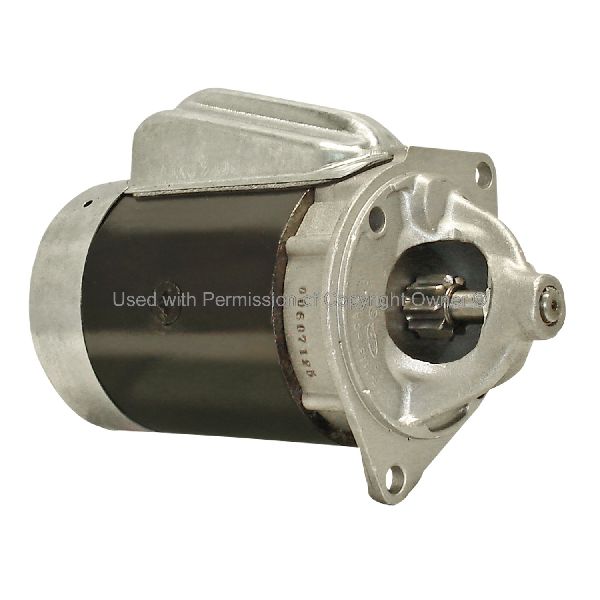
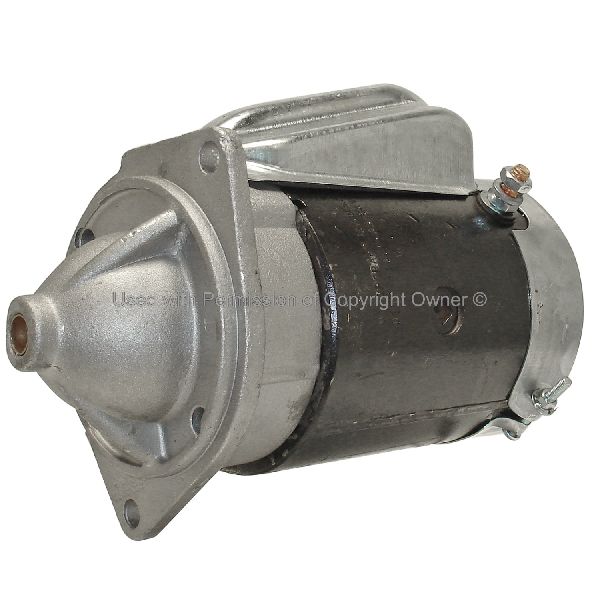
Before you replace your starter, it's important to know that classic Fords like your Mercury Monarch have a two-part starting system. You have the starter motor itself, bolted to the engine, and a separate starter solenoid (or relay) mounted on the fender in the engine bay. When you turn the key, the solenoid clicks to send the high amperage needed to the starter motor. Often, a single, loud "click" with no engine crank is a sign of a bad solenoid, not a bad starter, which can be a much cheaper and easier fix.
Common Symptoms of a Failing Starter Motor
If you've tested or replaced your solenoid and battery and still have issues, the starter motor is the likely culprit. Watch for these signs:
- Slow or Labored Cranking: The engine turns over, but it sounds weak and sluggish, even with a fully charged battery. This indicates the starter motor is wearing out and struggling to spin the engine.
- Grinding Noises: A harsh grinding sound during or after cranking means the starter gear (Bendix) is not engaging correctly with the flywheel or is failing to retract. This can damage the flywheel's teeth, leading to a more expensive repair.
- Rapid Clicking: While a single click often points to the solenoid, a series of rapid clicks can mean the starter motor itself is failing to draw enough power to turn, or the battery is too weak.
- Hot-Start Problems (Heat Soak): The car starts fine when cold, but after it's been driven and is hot, it refuses to crank. The large original starters are close to the exhaust and can absorb a lot of heat, which increases electrical resistance and prevents them from working.
- No Sound at All: If there's no click and no crank, the problem could be the battery, ignition switch, or connections, but a completely dead starter motor is also a possibility.
Choosing the Right Aftermarket Starter
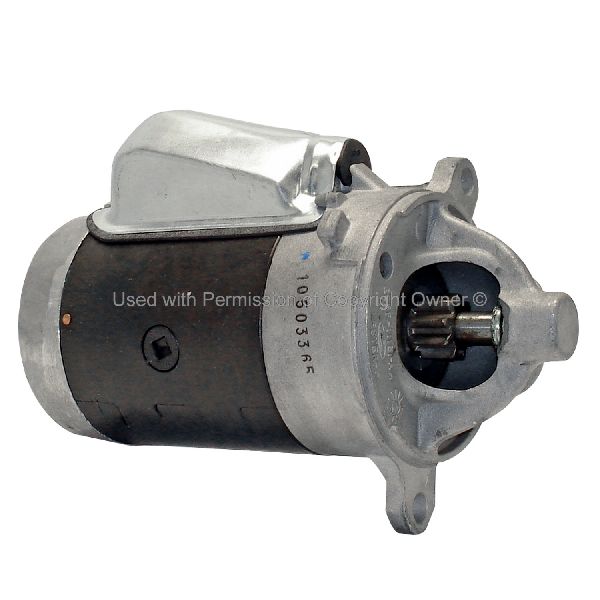
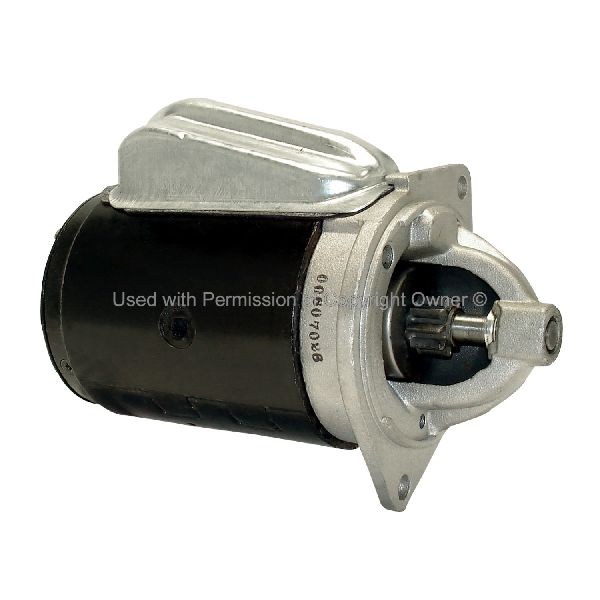
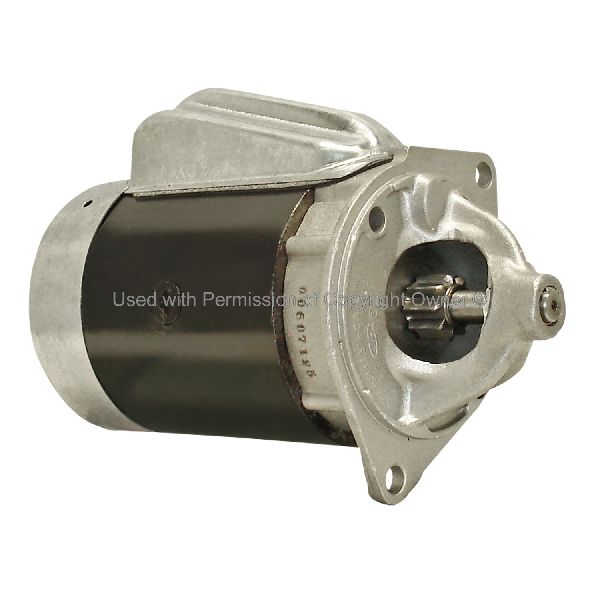
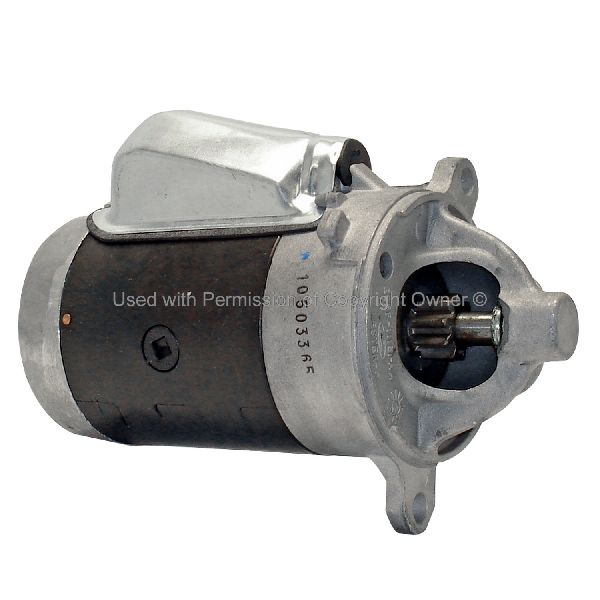
For a vehicle of this age, a "new OEM" starter is not a practical option. Your choices are remanufactured units or, more commonly, new aftermarket starters. Aftermarket options often provide a significant upgrade over the original factory part.
Performance Tier: High-Torque Mini-Starters
Best For: Modified engines, engines with headers, or anyone wanting a reliability upgrade.
Modern mini-starters are smaller, lighter, and use a gear-reduction design to produce more cranking torque than the large, original-style units. This makes them ideal for high-compression engines and provides better clearance for aftermarket exhaust headers, which helps prevent heat soak.
- Ford Performance / Powermaster: Both brands are highly regarded in forums for their powerful and reliable high-torque mini-starters. They are a popular choice for classic Ford owners looking for an upgrade that solves many of the original starter's problems.
- MSD / Proform: These brands also offer powerful gear-reduction starters. MSD starters are known for their power, though some users have reported reliability issues, making them a potentially mixed choice.
Standard Replacement Tier
Best For: Stock vehicles where originality is not a primary concern and a reliable, direct-fit part is needed.
These brands offer starters that are designed to meet or exceed original specifications without necessarily being a performance upgrade. They are a solid choice for a daily driver with a stock engine.
- ACDelco: While a GM company, ACDelco produces a wide range of parts for many makes and models. They are generally considered a reliable source for standard replacement parts.
- MPA: MPA (Motor Parts of America) is a major supplier of new and remanufactured starters and alternators to parts stores, offering a dependable factory-replacement option.
Check Your Flywheel Tooth Count!
Ford used different flywheels (for manual transmissions) and flexplates (for automatics) on these engines, most commonly with 157 or 164 teeth. The starter must match the tooth count. Ordering the wrong one will result in grinding or a failure to engage. Always verify your vehicle's configuration before purchasing.
Cost of a New Aftermarket Starter Motor
| Part Type | Estimated Cost |
|---|---|
| New Aftermarket Starter | $95 - $392 |
| Remanufactured Starter | $80 - $250 |
| Shop Labor for Installation | $150 - $300 |
Frequently Asked Questions
Is the problem my starter or the solenoid on the fender?
A single, loud click when you turn the key usually points to a bad solenoid. If you hear rapid clicking, slow cranking, or grinding, the starter motor is more likely the issue, assuming the battery is good. You can test the solenoid by carefully bridging the two large terminals with a screwdriver; if the starter spins, the solenoid is bad. Use extreme caution if attempting this test.
Do I really need a high-torque mini-starter?
For a stock engine, you don't *need* one, but it's a highly recommended upgrade. They are more efficient, solve common heat-soak issues, and provide faster, more reliable starts. If you have headers or a modified engine, a mini-starter is almost essential.
Are there any recalls on the Mercury Monarch starter?
No. There have been no recalls issued by the NHTSA for the starter motor on the 1975-1980 Mercury Monarch.
What are common installation mistakes?
The biggest mistakes are not disconnecting the battery first, and not cleaning the mounting surfaces and electrical connections. A clean, tight connection is critical for proper grounding and performance. Also, ensure you use the correct starter for your flywheel tooth count and transmission type. The top mounting bolt can be difficult to reach without the right combination of extensions and a universal joint.
Technical Specifications
Fitment is primarily determined by the engine (e.g., 302 V8, 351W V8) and the tooth count of the flywheel or flexplate (157-tooth or 164-tooth). Starters for manual and automatic transmissions can also differ. High-torque, gear-reduction mini-starters are a common and recommended upgrade.
We Have This Part in Stock

The information in this article is provided for general reference and educational purposes only. Vehicle specifications, procedures, and part compatibility can vary by production date, trim level, and region. Always consult your vehicle's factory service manual and verify part numbers before purchasing or performing repairs. Safety-critical components such as airbags, seat belts, and braking systems should be installed by a qualified professional.
- 🛍️ Shop This Part
- Understanding Your Monarch's Starting System
- Common Symptoms of a Failing Starter Motor
- Choosing the Right Aftermarket Starter
- Performance Tier: High-Torque Mini-Starters
- Standard Replacement Tier
- Check Your Flywheel Tooth Count!
- Cost of a New Aftermarket Starter Motor
- Frequently Asked Questions
- 🎟️ Get 5% Off