

Chevrolet G20 Engine Oil Pan: A Guide for 1975-1981 Models
Dealing with a leaky or damaged oil pan on your classic Chevy van? Here’s what you need to know before you buy a new one.
- The primary causes of failure are rust, impact damage, or a stripped drain plug.
- Replacement is a difficult job for DIYers as it typically requires lifting the engine to get the pan past the crossmember.
- For reliability, choose a stock-style replacement from brands like Dorman, Spectra, ATP, or Pioneer over a chrome dress-up pan.
- Before ordering, verify your engine's dipstick location (driver or passenger side) to ensure compatibility.
Is Your G20's Oil Pan Failing?
For a vehicle from this era, oil pan problems are usually easy to spot. The metal pan has been exposed to decades of road salt, moisture, and potential impacts. Here are the common signs that your oil pan needs to be replaced:
- Oil Puddles: The most obvious symptom is finding fresh, dark brown or black oil spots on the ground where you park your van.
- Visible Damage or Rust: Get a flashlight and look under the engine. Obvious dents, deep scrapes, cracks, or heavy rust are clear signs the pan is compromised.
- A Leaky Drain Plug: The threads for the drain plug can strip out after decades of oil changes. This can cause a persistent drip that is impossible to tighten away.
- Leaks from the Edges: Oil seeping from where the pan bolts to the engine block is often a gasket failure, but it can also be caused by a rusted or warped pan flange that a new gasket can't seal.
- Smoke from the Engine Bay: If oil drips onto the hot exhaust pipes, it will create smoke and a strong burning smell. This is a fire hazard that needs to be addressed immediately.
Choosing the Right Aftermarket Oil Pan
Since new original GM parts are no longer made, the aftermarket is your main source for a replacement. The brands available generally fall into two categories:
Tier 1: Stock-Style Replacements
Brands: Dorman, Spectra Premium, ATP, Pioneer Automotive
These brands specialize in creating parts that fit and function just like the original. They are the most practical choice for a daily driver or work van.
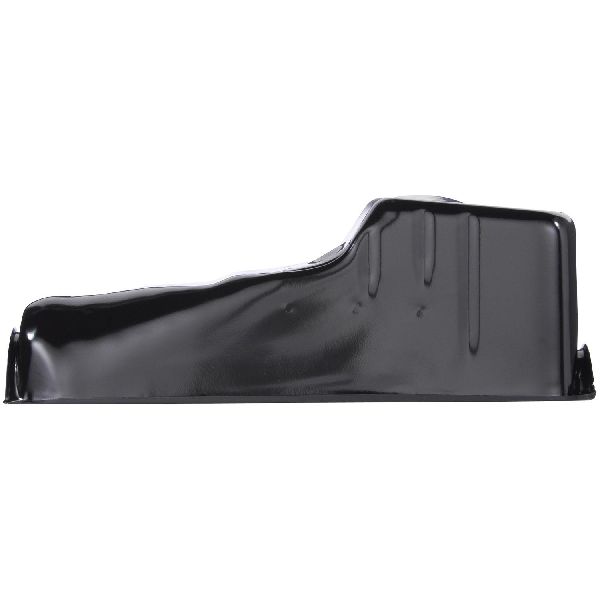
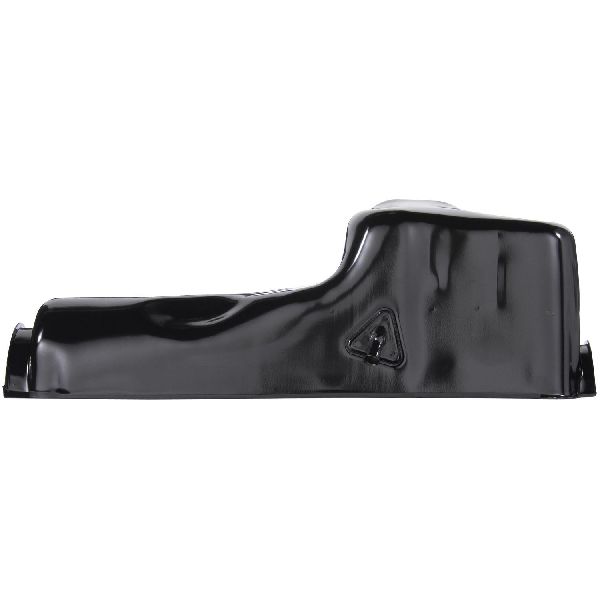
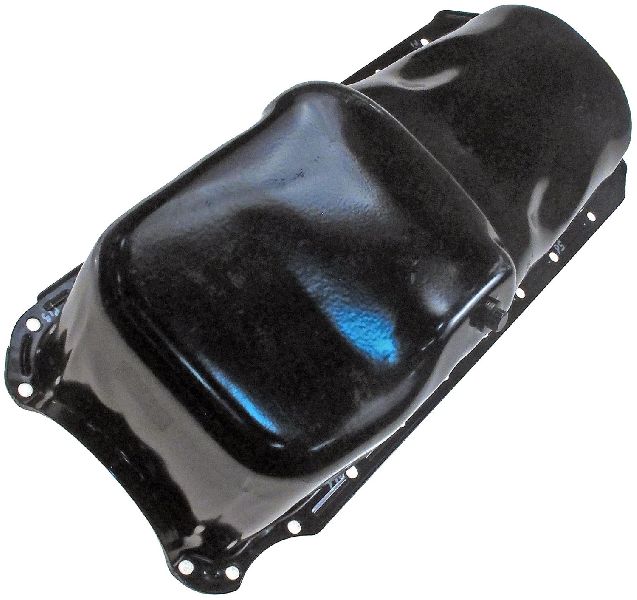
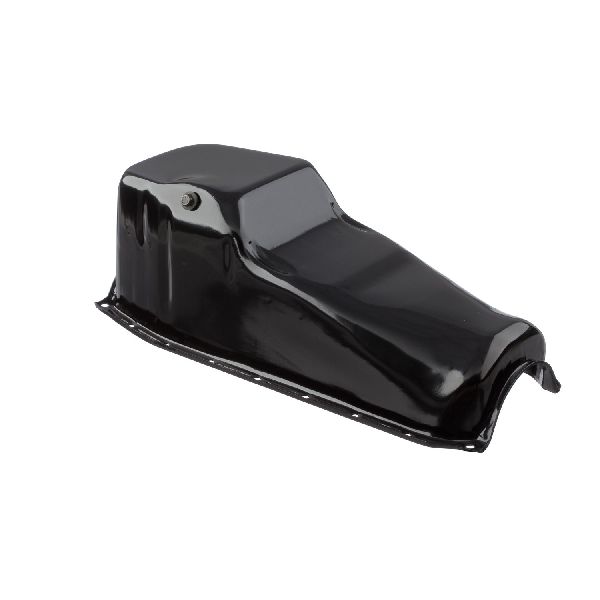
- What to Expect: These pans are typically made from stamped steel with a black painted or powder-coated finish for corrosion resistance. Brands like ATP and Pioneer are often noted for using heavy-gauge steel, sometimes making them feel more robust than the original.
- Pros: They are designed for a direct fit and are generally affordable and reliable.
- Cons: Some reviews note that the drain plug might be a different size (often metric) than the original, which is a minor inconvenience. Occasionally, a leaky drain plug right out of the box has been reported, so it's wise to inspect it before installation.
Tier 2: Performance & Appearance Pans
Brands: Mr. Gasket, Proform
These brands are focused on engine dress-up and performance. They are a popular choice for custom van builds and show vehicles.
- What to Expect: These pans are often chrome-plated for a mirror finish. Some may offer a higher oil capacity or other performance features.
- Pros: They offer a high-end, custom look for your engine bay.
- Cons: Quality can be inconsistent. Chrome plating that isn't done perfectly can lead to leaks, sometimes directly through pinholes in the welds or seams. Customer reviews for these types of pans show more frequent complaints about leaks compared to stock-style replacements.
Pro Tip: Check Your Dipstick Location
Chevy Small Block V8s came with dipsticks on either the driver's side or passenger's side, depending on the year and application. Some replacement oil pans are made for one or the other. Always confirm your engine's dipstick location before ordering to ensure you get a pan with the provision on the correct side.
Frequently Asked Questions
Is replacing the oil pan a DIY job?
This is a difficult job on a G20 van. Because of the front crossmember, you usually cannot simply unbolt and remove the pan. In most cases, the engine must be unbolted from its mounts and lifted several inches to create enough clearance to slide the old pan out and the new one in. This adds significant time and complexity, making it a challenging job for a beginner.
Are there any recalls for the G20 oil pan?
No. A search of the National Highway Traffic Safety Administration (NHTSA) database shows no recalls or technical service bulletins (TSBs) related to the engine oil pan for the 1975-1981 Chevrolet G20. Failures are due to age, corrosion, or physical damage.
Should I buy a chrome oil pan?
Only if appearance is your top priority. For a reliable, leak-free repair, a quality stock-style replacement from a brand like Dorman, Spectra, ATP, or Pioneer is a safer bet. Cheap chrome pans are notorious for developing leaks.
Do I need to buy a new gasket and drain plug?
Yes, always use a new oil pan gasket. It's a critical part for ensuring a good seal. Most aftermarket pans come with a new drain plug, but not all include a gasket. It's best to buy a quality gasket from a reputable brand separately to ensure a leak-free installation.
Technical Specifications
Material: Stamped Steel (most common) or Aluminum. Finish: Black Paint/Powder Coat or Chrome. Key verification points: Engine size (e.g., 305, 350 V8) and dipstick location (driver-side or passenger-side).
We Have This Part in Stock


The information in this article is provided for general reference and educational purposes only. Vehicle specifications, procedures, and part compatibility can vary by production date, trim level, and region. Always consult your vehicle's factory service manual and verify part numbers before purchasing or performing repairs. Safety-critical components such as airbags, seat belts, and braking systems should be installed by a qualified professional.