

Engine Oil Pan Guide for 1975-1981 Chevrolet G30 Vans
Leaking oil or a damaged pan? Here's what you need to know to choose the right replacement for your G30.
- Oil pan failure is usually due to physical damage, corrosion, or a stripped drain plug.
- Confirm your engine's dipstick location (driver or passenger side) before ordering a new pan.
- Replacement often requires lifting the engine to clear the crossmember, making it a challenging DIY job.
- Standard replacement brands like ATP, Dorman, and Spectra are reliable choices, while Mr. Gasket and Proform offer dress-up options.
Is Your G30's Oil Pan Failing?
The oil pan is located at the very bottom of your engine, making it vulnerable to damage from road debris, bottoming out on rough roads, or simple corrosion over decades of use. Here are the common signs that your oil pan needs attention:
- Oil Puddles: The most obvious symptom is finding fresh oil spots on your driveway where you park.
- Visible Damage: Look under your van with a flashlight. Dents, deep scrapes, or cracks in the pan itself are serious problems.
- Persistent Leaks: Oil leaking from the gasket where the pan meets the engine block is common. Sometimes this is just a bad gasket, but a warped or rusted pan flange can also be the cause.
- Stripped Drain Plug: If the drain plug has been overtightened too many times, the threads in the pan can strip out, making it impossible to stop a leak.
Don't Ignore a Leaking Pan
Driving with a low oil level can lead to catastrophic engine failure. If you see smoke from the engine bay, it could be oil dripping onto the hot exhaust, which is a fire hazard. Always check your oil level with the dipstick if you suspect a leak.
Choosing the Right Aftermarket Oil Pan
Since new original GM parts for these vans are long gone, the aftermarket is your only option. Quality can vary, but many aftermarket pans offer good performance, and some are even better than the original. They generally fall into three categories:
Tier 1: Standard Replacement Pans
Brands: Dorman, Spectra, ATP, Pioneer Cable
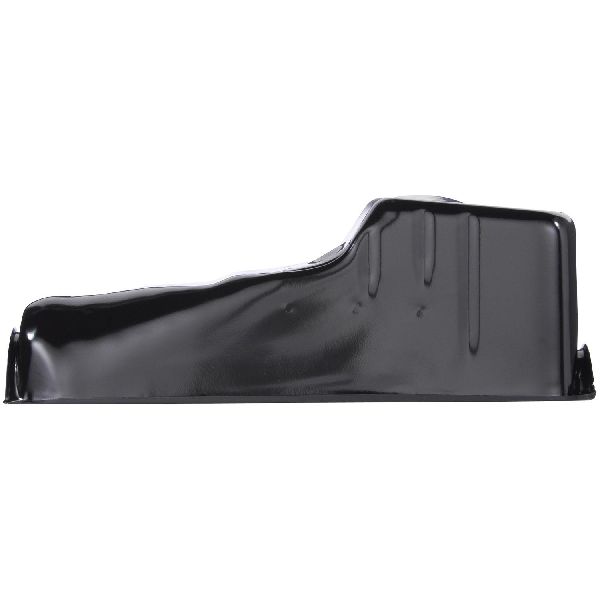
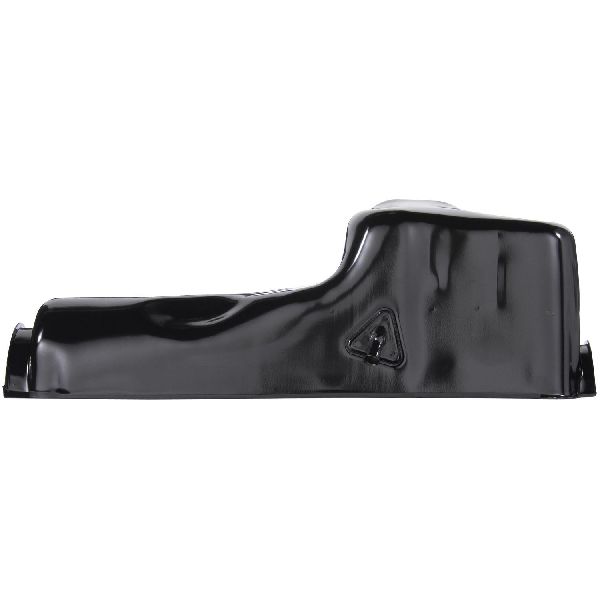
These brands focus on creating direct, OE-style replacements. They are designed to fit and function just like the original factory pan. For a stock G30 used for daily work or travel, these are a reliable and cost-effective choice. Forum discussions and reviews suggest that brands like ATP and Pioneer can sometimes be made of thicker steel than the original, offering improved durability. Dorman and Spectra are also widely used and considered dependable for standard applications. Some users have noted that Dorman, Spectra, and ATP pans can be very similar, sometimes appearing identical.
Tier 2: Performance & Dress-Up Pans
Brands: Mr. Gasket, Proform
If you want to add some visual flair or minor performance enhancements, these brands are a great option. They often offer pans with a chrome-plated or polished finish. Some, like Mr. Gasket, may feature designs with extra capacity or trap doors for better oil control during acceleration and braking. Proform also offers a variety of pans, including low-profile designs for custom applications. Be aware that chrome pans require careful installation to avoid scratching and may not be as corrosion-resistant as powder-coated steel pans in harsh climates.
Pro Tip: Check Your Dipstick Location!
Through the years, Chevrolet Small Block and Big Block engines had dipsticks on either the driver's side or passenger's side. Before ordering, confirm which side your dipstick is on to ensure you get a pan with the correct provision. Some aftermarket pans do not have a dipstick provision at all, requiring a dipstick that goes through the engine block.
Cost of Replacing a G30 Oil Pan
| Part/Service | Estimated Cost |
|---|---|
| New Aftermarket Oil Pan | $105 - $292 |
| Shop Labor | $195 - $286 |
| Total Professional Replacement | $300 - $578+ |
Costs are estimates and can vary based on your location, engine type, and the specific parts chosen.
Frequently Asked Questions
Do I need to lift the engine to replace the oil pan?
Possibly. On many G30 vans, the engine crossmember gets in the way. To get enough clearance to drop the pan, you will likely need to unbolt the motor mounts and carefully lift the engine a few inches. This makes the job moderately difficult for a DIY mechanic.
Should I replace the oil pump at the same time?
This is a classic "while you're in there" debate. The oil pump on a Small Block Chevy is generally very reliable. If your oil pressure has always been good and the engine has been well-maintained, many mechanics would advise leaving the original pump alone to avoid the risk of an improperly installed replacement.
Can I just repair my old oil pan?
If the pan has a small crack or hole and is made of steel, it can sometimes be welded. However, it must be removed from the vehicle and thoroughly cleaned of all oil residue first. For most people, given the affordable cost of a new aftermarket pan and the labor involved in removal, replacement is the more practical option.
What's the difference between a stock pan and a chrome pan?
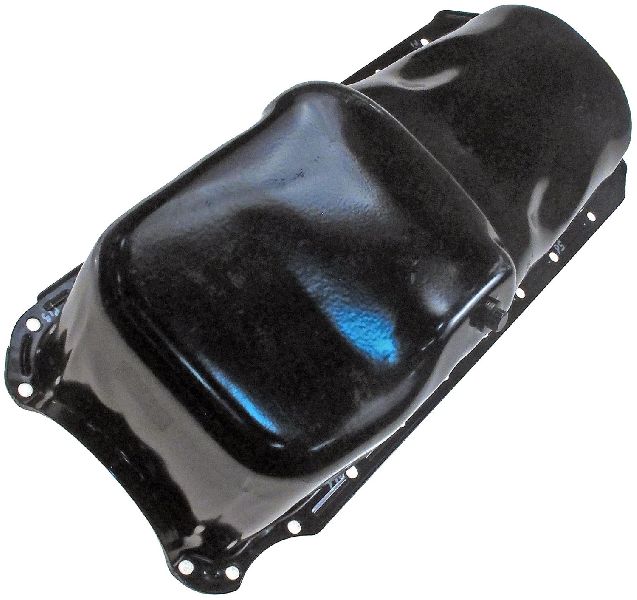
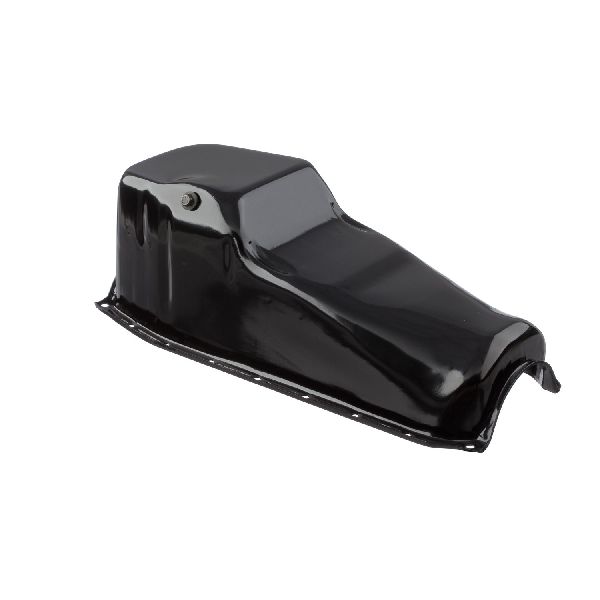
A stock replacement pan is typically made of stamped steel and painted or powder-coated black for corrosion resistance. A chrome pan is also made of steel but has been chrome-plated for a show-quality shine. While they look great, cheap chrome can sometimes be prone to leaking and requires more care.
Are there any recalls for the 1975-1981 G30 oil pan?
No. A search of the National Highway Traffic Safety Administration (NHTSA) database shows no recalls specifically related to the engine oil pan for the 1975-1981 Chevrolet G30.
Technical Specifications
The most critical specification is matching the pan to your specific engine (e.g., Small Block 350, Big Block 454) and the correct dipstick location (pre-1980 models often have a driver-side dipstick, while 1980-1985 models often have a passenger-side dipstick). Most pans are stamped steel, with chrome or high-capacity versions available. Standard capacity is typically around 5 quarts including the filter.
We Have This Part in Stock


The information in this article is provided for general reference and educational purposes only. Vehicle specifications, procedures, and part compatibility can vary by production date, trim level, and region. Always consult your vehicle's factory service manual and verify part numbers before purchasing or performing repairs. Safety-critical components such as airbags, seat belts, and braking systems should be installed by a qualified professional.