

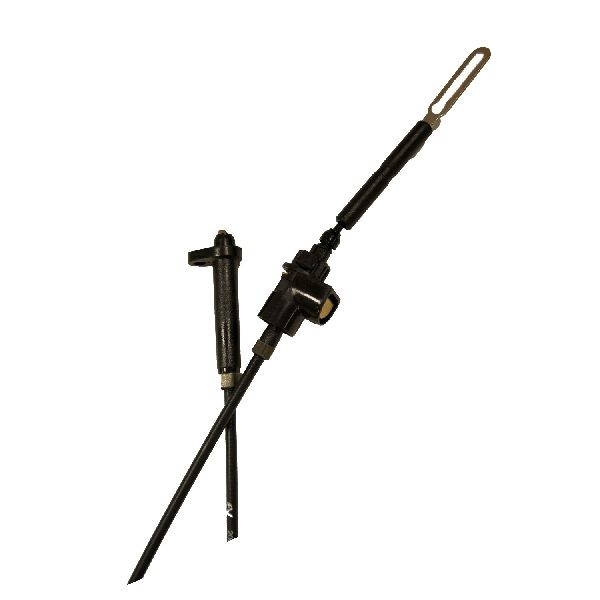
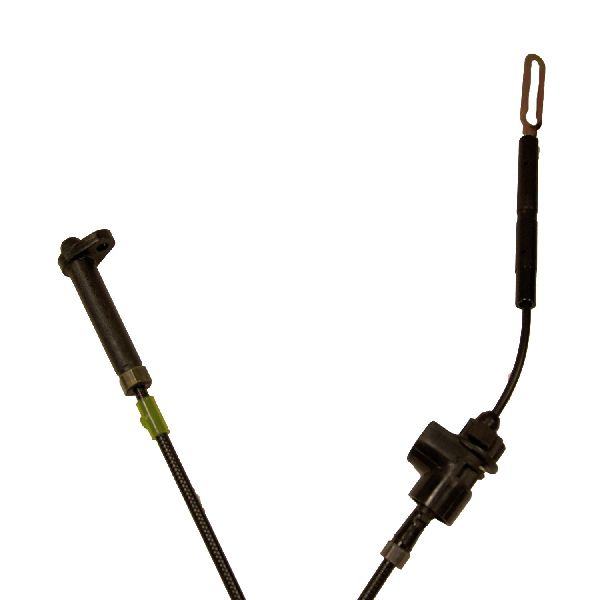
1975-1981 Chevrolet P30 Automatic Transmission Detent Cable Function and Replacement
If your P30's transmission doesn't downshift when you need to accelerate, the detent cable is the most likely problem.
- First, confirm your P30 has a TH350 transmission (which uses a cable) and not a TH400 (which typically uses an electric switch) by checking the transmission pan shape.
- The primary symptom of a bad detent cable is the transmission's failure to 'kick down' into a lower gear when you floor the accelerator.
- Aftermarket brands like ATP and Pioneer offer reliable stock replacements, while B&M provides heavy-duty options suitable for motorhomes or heavily loaded vans.
- Proper adjustment after installation is critical for correct transmission function and can be done easily at the throttle linkage.
Is Your P30 Shifting Properly?
For a heavy-duty vehicle like the 1975-1981 Chevrolet P30, proper transmission function is not just about convenience—it's about safety and performance, especially when carrying a load. The automatic transmission detent cable is a small but critical part responsible for the "kickdown" function that gives you a burst of power for passing or merging. When this cable fails or is out of adjustment, your transmission doesn't get the signal that you've floored the gas pedal.
First Step: Identify Your Transmission
Before buying any parts, you MUST confirm which transmission your P30 has. This-era P30 most often came with a Turbo-Hydramatic 350 (TH350) or a Turbo-Hydramatic 400 (TH400). A TH350 uses a detent cable. A TH400 uses an electric switch for kickdown. The easiest way to tell is by the shape of the transmission oil pan. Look it up online—a TH350 pan is a distinct square with a cut-off corner, while a TH400 pan is an irregular shape. This guide is for cable-operated transmissions.
Symptoms of a Bad Detent Cable
A faulty detent cable can mimic more serious transmission problems. Look for these specific signs:
- No Downshift on Acceleration: The most common symptom. You press the pedal to the floor, and the transmission stays in its current gear instead of shifting down.
- Late or Delayed Shifts: The cable might be stretched or binding, causing the transmission to shift gears at higher-than-normal RPMs during regular driving.
- Harsh or Abrupt Shifts: If the cable is improperly adjusted or sticking, it can cause the transmission to shift with a noticeable jolt.
- Heavy Gas Pedal Feel: In some cases, a seized or rusted cable can create resistance that you can feel in the accelerator pedal.
Choosing the Right Aftermarket Cable
Original OEM cables for a vehicle of this age are virtually nonexistent. Aftermarket manufacturers are your primary source, and the quality is generally good for this simple part. Here's how the available brands stack up:
- Heavy-Duty/Performance (B&M): B&M is known for performance and heavy-duty parts. Their cables are often made with more robust materials, like braided stainless steel housings, making them a good choice for P30s used as motorhomes or commercial vehicles that see hard use. They are typically universal-fit and adjustable.
- Standard Replacement (ATP, Pioneer Cable): ATP and Pioneer are well-regarded brands that produce reliable, direct-fit replacement parts that meet or exceed original specifications. For a stock P30 used in normal conditions, these cables offer a balance of quality and value. Forum discussions note that while functional, some aftermarket cables may have plastic components that are less durable than the original metal parts, so handle them with care during installation.
Installation Pro Tip
When routing your new cable, pay close attention to its proximity to the exhaust manifold. Heat from the exhaust is a primary cause of cable seizure and failure. Ensure the new cable is secured away from direct heat sources to maximize its lifespan.
Cost to Replace a Detent Cable
| Part/Service | Estimated Cost |
|---|---|
| New Aftermarket Detent Cable | $28 - $48 |
| Shop Labor | $100 - $180 |
| Total Estimated Cost | $128 - $228 |
Frequently Asked Questions
Is a detent cable the same as a throttle valve (TV) cable?
No. A detent cable is used on older transmissions like the TH350 to control only the kickdown function. A TV cable, used on later transmissions like the 700R4, is more complex and controls shift points and line pressure. Incorrectly adjusting a TV cable can quickly destroy a transmission; while a misadjusted detent cable is less critical, it still causes poor performance.
How is the detent cable adjusted?
Adjustment is usually made at the carburetor or throttle body. There is typically a metal clip or tab on the cable housing. You press this tab to release the housing, hold the throttle wide open, and then release the tab to lock the cable in the correct position. The goal is for the cable to be fully pulled when the gas pedal is on the floor.
Can I just leave the cable disconnected?
On a TH350, you can drive with the cable disconnected without causing immediate internal damage. However, you will have no kickdown function for passing, and you may experience soft or early shifts. It is not recommended to operate the vehicle this way long-term.
Can I replace the detent cable myself?
Yes, this is a very DIY-friendly job. It requires basic hand tools to disconnect the cable from the throttle linkage and unbolt it from the transmission. Accessing the connection point on the transmission is usually the trickiest part. The job typically takes less than an hour.
Technical Specifications
The most critical specification is ensuring the replacement cable's length and mounting points (both at the throttle and transmission) match the original part for your specific P30 configuration. Universal adjustable cables are also an option but may require modification.
We Have This Part in Stock


The information in this article is provided for general reference and educational purposes only. Vehicle specifications, procedures, and part compatibility can vary by production date, trim level, and region. Always consult your vehicle's factory service manual and verify part numbers before purchasing or performing repairs. Safety-critical components such as airbags, seat belts, and braking systems should be installed by a qualified professional.