

A Guide to the A/C Compressor for the 1975-1981 Ford F-150
Get your classic Ford's air conditioning blowing cold again by choosing the right new aftermarket compressor.
- Your 1975-1981 F-150 uses R-12 refrigerant, so you must convert to R-134a, ensuring your new compressor and oil are compatible.
- Always replace the accumulator/drier and orifice tube when installing a new compressor to prevent immediate failure and validate the warranty.
- A complete system flush is critical to remove old oil and debris from a previous compressor failure.
- For a vehicle this old, a new aftermarket compressor is a more reliable choice than a remanufactured unit.
Is Your F-150's A/C Compressor Failing?
When the A/C compressor in your classic F-150 starts to go, it will give you some clear warning signs. Ignoring them can lead to more expensive repairs down the road. Look out for these common symptoms:
- No Cold Air: This is the most obvious sign. If the compressor isn't pressurizing the refrigerant, the system can't cool the air. This can be due to an internal failure or a clutch that won't engage.
- Loud Noises: Squealing or grinding sounds when you turn on the A/C point to a failing compressor. This is often caused by worn-out internal bearings or a failing clutch.
- Visible Leaks: The compressor has seals that can fail over time, leading to refrigerant and oil leaks. You might see a greasy buildup on the compressor body.
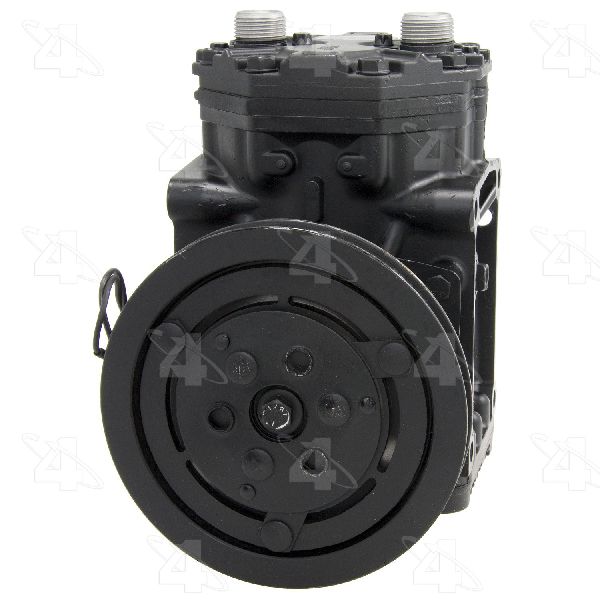
- Clutch Not Engaging: The outer part of the compressor pulley should spin with the belt, but the center part (the clutch hub) only engages when the A/C is on. If it doesn't click and spin, you could have a bad clutch, a blown fuse, or an electrical issue.
A Note on Refrigerant: R-12 vs. R-134a
Your 1975-1981 F-150 was originally built to use R-12 refrigerant, which is no longer available to the public. Most of these trucks have either been converted to modern R-134a refrigerant or will need to be during the repair. This is a critical factor when buying a new compressor. Ensure the compressor and the oil it contains are compatible with R-134a. A proper conversion involves more than just changing the fittings; the system should be thoroughly flushed to remove the old mineral oil used with R-12.
Choosing the Right Aftermarket Compressor
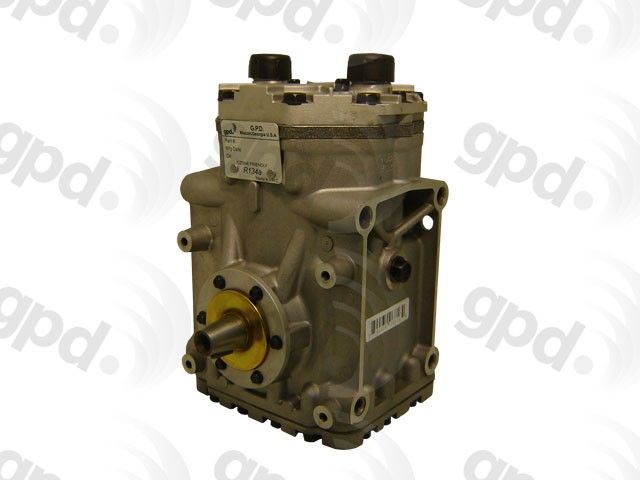
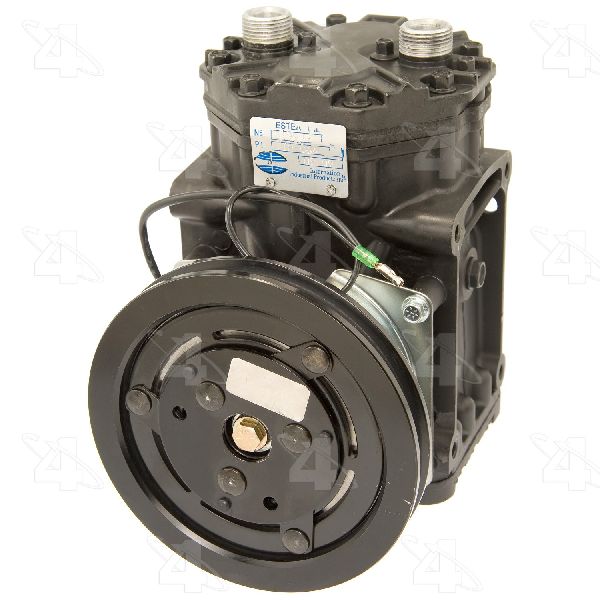
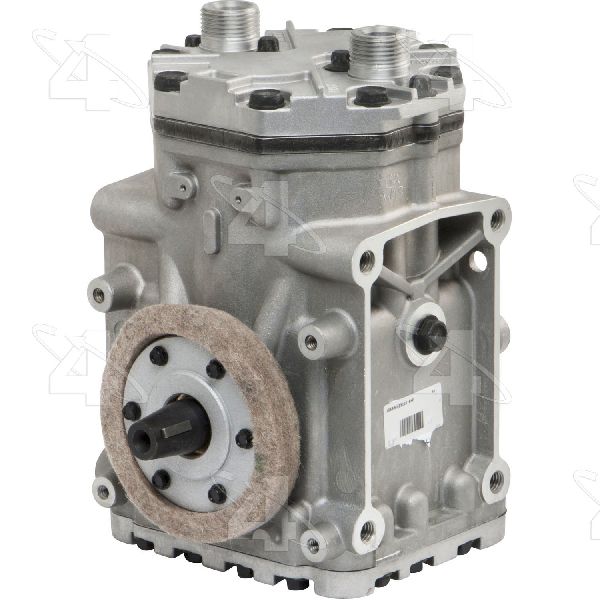
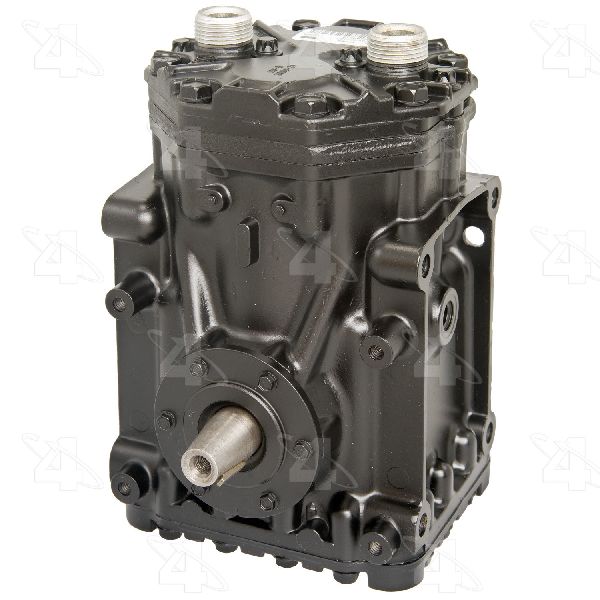
For a vehicle of this age, finding a new OEM (Original Equipment Manufacturer) part is nearly impossible. The market consists almost entirely of new and remanufactured aftermarket parts. Aftermarket brands like Four Seasons and Global Parts Distributors (GPD) are common choices.
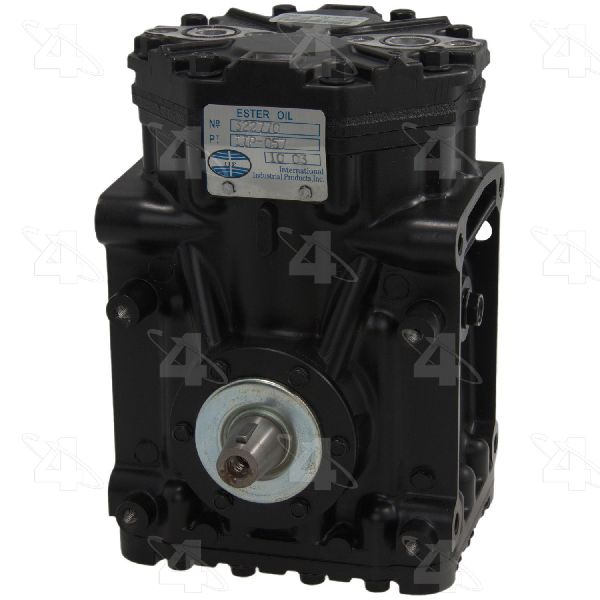
- New Aftermarket: These are completely new units. Brands like Four Seasons offer new compressors that are tested to meet or exceed original specifications and often come pre-filled with the correct type of oil (PAG oil) for R-134a systems. Many owners have had positive experiences with new Four Seasons compressors, noting good performance and reliability.
- Remanufactured: These are original units that have been rebuilt with new seals, bearings, and other wear items. Quality can vary significantly between rebuilders. Some owners have reported issues with remanufactured parts failing prematurely. For peace of mind, a new unit is often the better investment.
Pro Tip: Replace More Than Just the Compressor
When a compressor fails internally, it can send metal debris throughout the entire A/C system. Just replacing the compressor is a recipe for failure, as the debris will destroy the new unit. To do the job right, you must also replace the accumulator/drier and the orifice tube, and thoroughly flush the evaporator and condenser. Many aftermarket brands sell kits that include these necessary components.
A/C Compressor Replacement Cost for 1975-1981 Ford F-150
The cost to replace the A/C compressor can be broken down into parts and labor. While a DIY replacement is possible for those with the right tools, the system must be professionally evacuated and recharged.
| Part/Service | Estimated Cost |
|---|---|
| New Aftermarket A/C Compressor | $225 - $400 |
| Shop Labor (including system evacuation & recharge) | $250 - $450 |
| Total Estimated Cost | $475 - $850 |
Frequently Asked Questions
Do I have to convert to R-134a refrigerant?
Yes, for all practical purposes. R-12 refrigerant is heavily regulated, extremely expensive, and cannot be legally handled or purchased without a license. Converting to R-134a is the standard, most cost-effective, and environmentally responsible solution.
Can I just replace the A/C clutch?
Sometimes. If the compressor itself is still in good condition but the clutch has failed, you can replace just the clutch. However, a failing clutch can be a symptom of a compressor that is beginning to seize. Given the age of these trucks and the cost of labor, replacing the entire compressor assembly is often the safer bet.
What is an accumulator/drier and why must I replace it?
The accumulator (or receiver/drier) is a filter that removes moisture and debris from the refrigerant. When the system is opened for repair, the accumulator absorbs moisture from the air and becomes saturated. A new, clean accumulator is essential to protect the new compressor and ensure the system operates efficiently. All compressor warranties require its replacement.
What kind of oil does my new compressor need?
If you are converting to or have an R-134a system, you must use PAG oil or an Ester oil that is compatible with both R-12 and R-134a. Do NOT use the old mineral oil designed for R-12 systems. Many new aftermarket compressors come pre-charged with the correct oil, but you should always verify the type and amount required for your specific system.
Technical Specifications
The factory-installed compressor on many 1975-1979 models was a York 2-cylinder piston compressor. These are large, heavy units. Later models may have used different designs. All systems were originally designed for R-12 refrigerant and mineral oil. Aftermarket replacements are designed for R-134a and PAG oil.
We Have This Part in Stock

The information in this article is provided for general reference and educational purposes only. Vehicle specifications, procedures, and part compatibility can vary by production date, trim level, and region. Always consult your vehicle's factory service manual and verify part numbers before purchasing or performing repairs. Safety-critical components such as airbags, seat belts, and braking systems should be installed by a qualified professional.