

Chevrolet P20 Alternator Guide: Choosing a Replacement for 1975-1982 Models
Keep your classic P20 step van powered up by understanding its simple, vital charging system.
- Symptoms are obvious: dim lights, a dead battery, and whining noises are key indicators.
- Before replacing, always check that the alternator belt is tight and the battery cables are clean.
- Replacement is a very easy DIY job on these simple V8 engines, requiring only basic tools.
- Choose a trusted brand like Bosch or Remy for reliability; paying a little more can prevent doing the job twice.
Is Your P20 Alternator Failing?
The electrical system on a 1975-1982 Chevrolet P20 is straightforward. When the alternator starts to fail, the signs are usually obvious. Because these vehicles lack complex computers, you're seeing the direct effects of low power.
- Dim or Flickering Lights: Headlights and dash lights may glow weakly or flicker, especially at idle. This is often the first and most common sign of a struggling alternator.
- Dead Battery: If your P20 needs frequent jump-starts, the alternator is likely not recharging the battery properly. A new battery will quickly die if the alternator is bad.
- Whining or Grinding Noises: A high-pitched whine that changes with engine RPM or a grinding sound points to failing bearings inside the alternator.
- "GEN" or Battery Warning Light: If your dashboard has a generator or battery warning light, it will illuminate if the alternator's output is too low.
Check the Simple Things First
Before replacing the alternator, check the fan belt. A loose or worn belt can't spin the alternator pulley correctly, causing charging problems. Also, make sure your battery cables are clean and tight at the battery and where the ground cable connects to the engine block. A bad connection can mimic a bad alternator.
Choosing the Right Aftermarket Alternator
For a vehicle of this age, an original GM alternator is no longer available new. Aftermarket parts are your only real option. Quality can vary, so it's important to choose wisely. Not all brands are created equal.
Tier 1: Trusted OE-Tier Brands
These brands have a strong reputation for quality, often building parts to original equipment standards. For a workhorse vehicle like a P20, reliability is key.
- Bosch: A pioneer in automotive electronics, Bosch is widely regarded as a top-quality choice for replacement parts. They offer both new and remanufactured units built to high standards.
- Remy: With roots tracing back to the original Delco-Remy that supplied GM, this brand is a natural fit for a classic Chevrolet. They are a solid and reliable pick for replacement alternators.
Tier 2: Reputable Aftermarket Brands
These brands offer a good balance of quality and price. Many come with individual test reports, which shows a commitment to quality control.
- WAI Global: WAI often includes a printed test sheet in the box, verifying the unit's output and stability before it was shipped. While some forum users have concerns, this testing process is a significant plus.
- MPA (Quality-Built): Motorcar Parts of America is a major North American supplier known for its strict testing procedures.
Tier 3: Economy Brands
These brands, including some store-specific labels, can be a budget-friendly option. However, experiences can be mixed. One forum user reported a bearing failure on a new, lower-cost Remy unit (owned by BBB Industries) after just one year. While a low price is tempting, having to do the job twice is not. If choosing from this tier, pay close attention to the warranty.
A Note on Remanufactured vs. New
Many high-quality options are professionally remanufactured. This means an original unit (a "core") has been disassembled, worn parts replaced, and tested to meet specifications. Brands like Bosch and Remy offer excellent remanufactured units. New units are built entirely from new components. For this vehicle, a quality remanufactured part from a top brand is often just as good as a new one.
Typical Replacement Costs
The alternator on a 1975-1982 P20 is one of the easier parts to replace, making DIY a great option to save money.
| Item | Estimated Cost |
|---|---|
| New Aftermarket Alternator | $56 - $255 |
| Shop Labor | $100 - $180 |
| Total (Shop Replacement) | $156 - $435 |
Frequently Asked Questions
Is replacing the alternator on a P20 a DIY job?
Yes, absolutely. The replacement is very simple on these trucks. It involves loosening one bolt to release belt tension, removing the belt, disconnecting two wires, and removing two bolts. It requires only basic hand tools and about an hour of your time. This makes it an ideal project for a beginner.
Do I need a high-output alternator?
For a stock P20 without major electrical additions like big sound systems or winches, the standard output alternator (typically 63-78 amps for this era) is sufficient. If you have added significant electrical loads, upgrading to a higher amperage unit (e.g., 100+ amps) is a good idea to avoid overworking the system.
What's the difference between an externally and internally regulated alternator?
Early in this year range, some GM vehicles used an external voltage regulator mounted on the firewall. Most from this era, however, use an alternator with an internal regulator. It's crucial to order the correct type for your vehicle's wiring. Look for a small, boxy component on your firewall with a wiring harness going to the alternator; if you don't have one, your alternator is internally regulated.
My new alternator has a different pulley. What do I do?
Sometimes a replacement alternator will come with a serpentine belt pulley instead of the V-belt pulley your P20 needs. You can easily swap the pulley from your old alternator onto the new one. You'll need to hold the alternator shaft steady while you loosen the nut holding the pulley on.
Technical Specifications
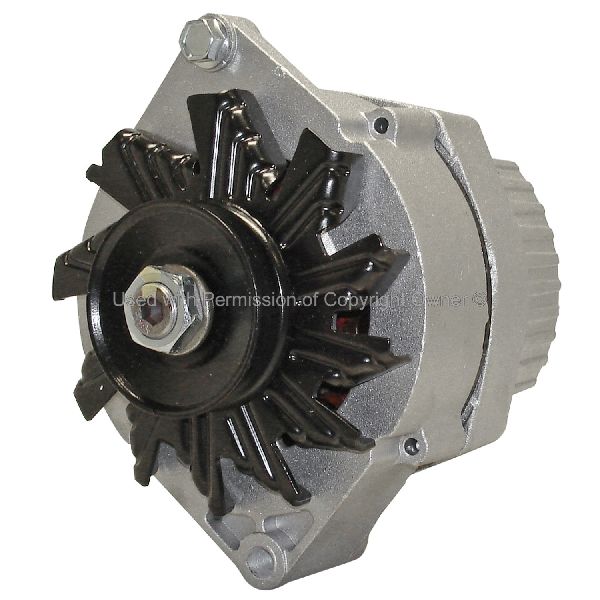
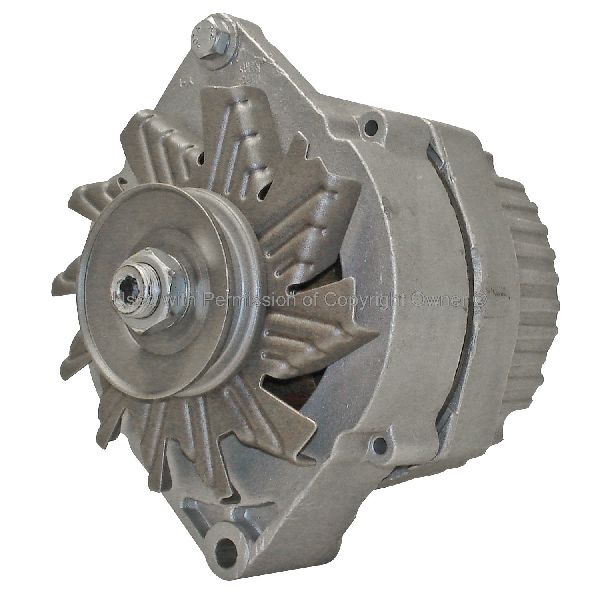
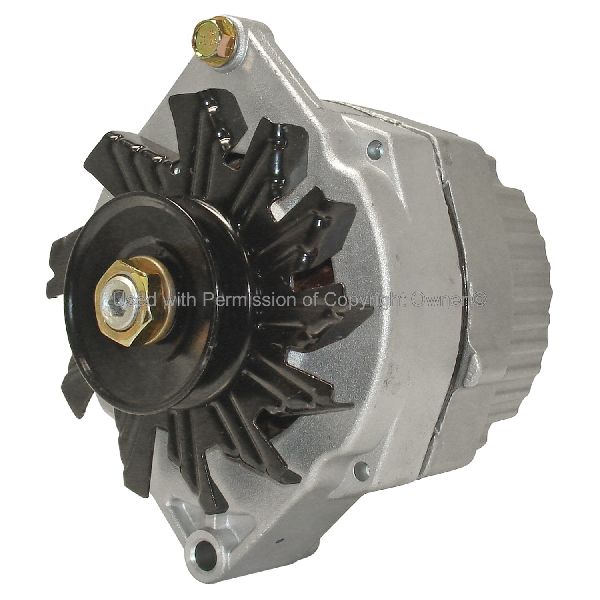
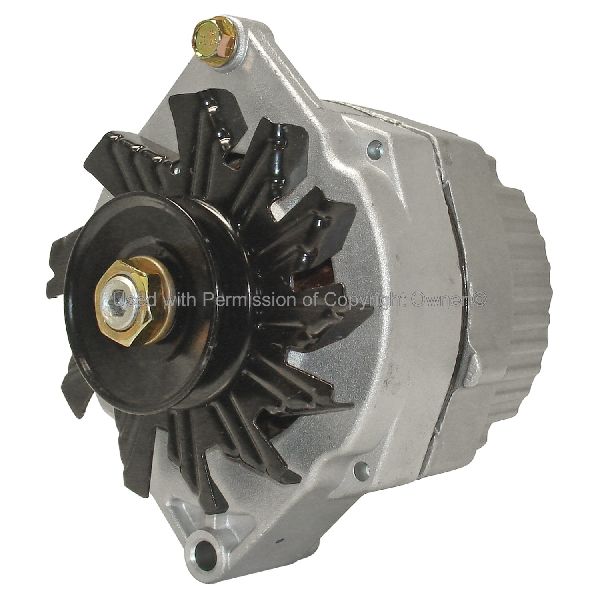
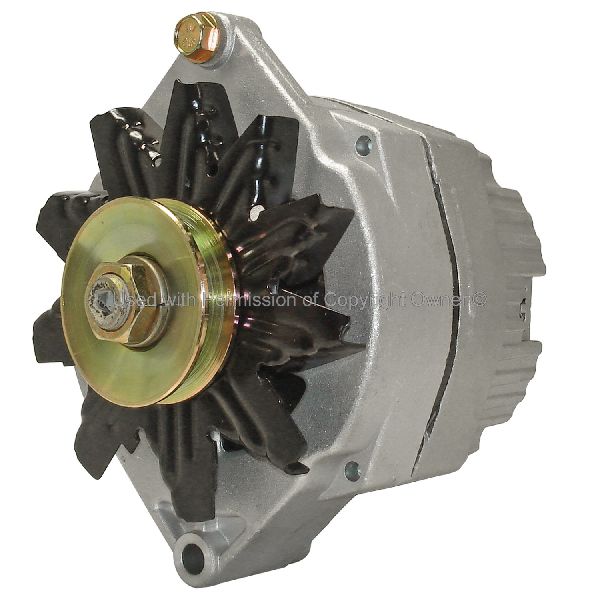
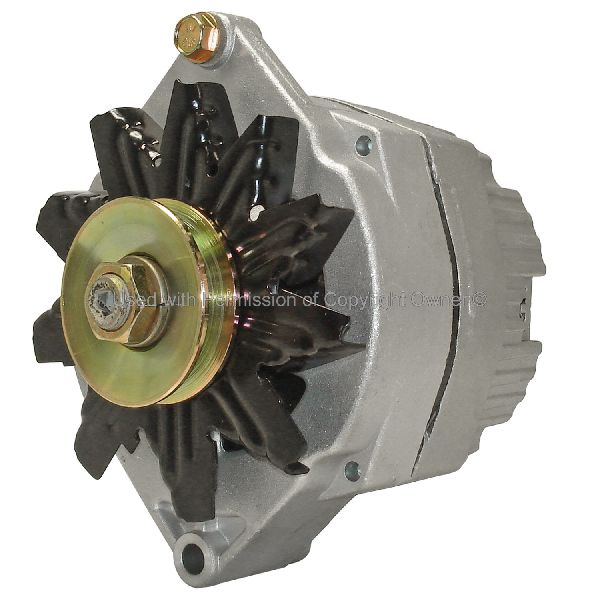
The 1975-1982 Chevrolet P20 typically uses a Delco-Remy 10SI or 12SI series alternator. These are externally simple, with an internal voltage regulator on most models. Amperage ratings commonly range from 63 to 78 amps for standard models. It is critical to match the clocking position (where the electrical plugs are) and pulley type (V-belt) to your original unit.
We Have This Part in Stock

The information in this article is provided for general reference and educational purposes only. Vehicle specifications, procedures, and part compatibility can vary by production date, trim level, and region. Always consult your vehicle's factory service manual and verify part numbers before purchasing or performing repairs. Safety-critical components such as airbags, seat belts, and braking systems should be installed by a qualified professional.
- 🛍️ Shop This Part
- Is Your P20 Alternator Failing?
- Check the Simple Things First
- Choosing the Right Aftermarket Alternator
- Tier 1: Trusted OE-Tier Brands
- Tier 2: Reputable Aftermarket Brands
- Tier 3: Economy Brands
- A Note on Remanufactured vs. New
- Typical Replacement Costs
- Frequently Asked Questions
- 🎟️ Get 5% Off