

Engine Valve Lifter Guide for the 1975-1983 Ford Mustang
Address that engine tick and restore your classic Mustang's performance with the right new lifters.
- A ticking noise is the most common sign of a failing valve lifter and should be addressed to prevent further engine damage.
- Always replace valve lifters as a complete set. It is also highly recommended to replace the camshaft at the same time on these flat-tappet engines.
- Use a high-zinc (ZDDP) break-in oil to protect new flat-tappet lifters and the camshaft during initial startup.
- This is a labor-intensive job; expect labor to be the most significant part of the total replacement cost.
Understanding Engine Valve Lifter Failure in Your Mustang
The engines used in the 1975-1983 Mustang, from the Mustang II to the early Fox Body, are generally durable. However, after decades of service, wear and tear on internal components like valve lifters is common. The most frequent cause of lifter failure is related to oil: infrequent oil changes, low oil pressure, or contaminated oil can all lead to problems. A worn or collapsed lifter creates extra space in the valvetrain, leading to the classic 'ticking' or 'tapping' sound that is a tell-tale sign of a problem.
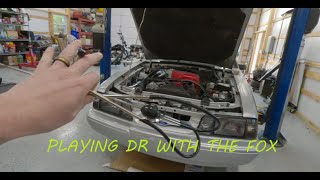
🎬 Watch: Hear what a ticking Fox Body engine sounds like.Don't Ignore the Noise
A ticking lifter might seem like a minor annoyance, but it shouldn't be ignored. A failing lifter can lead to more significant engine damage over time, including wear on the camshaft lobes, bent pushrods, or even damage to the valves themselves. Addressing the issue promptly can save you from a much more expensive repair down the road.
Choosing the Right Aftermarket Lifters
Since new OEM lifters for a vehicle of this age are often unavailable, the aftermarket is your go-to source. The brands available offer different tiers of quality and performance. It is almost always recommended to replace all lifters at the same time, as they wear at a similar rate.
- Standard Replacement (Melling, Sealed Power): These brands are well-known for providing parts that meet or exceed original factory specifications. They are an excellent choice for a stock daily driver or a standard restoration. They provide reliable, quiet operation for everyday use. Both Melling and Sealed Power are considered quality options for standard rebuilds.
- Performance (Isky Racing Cams, Melling Select Performance): If you are modifying your Mustang for more power, a performance lifter is a smart upgrade. Brands like Isky Racing Cams are legendary in the performance world for their quality and durability. These lifters are designed to handle higher engine RPMs and more aggressive camshaft profiles. While more expensive, they are a necessary component for a high-performance engine build.
Camshaft and Lifter Replacement
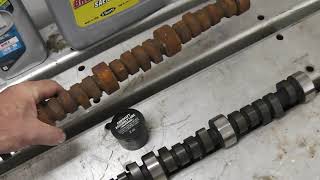
On flat-tappet engines like those in 1975-1983 Mustangs, the lifters and camshaft lobes wear together as a matched set. It is highly recommended to replace the camshaft whenever you replace the lifters, especially on a high-mileage engine. Installing new lifters on a worn camshaft can cause rapid failure of the new lifters.
Cost of New Aftermarket Engine Valve Lifters
The cost to replace valve lifters is more about the labor than the parts themselves. The lifters are relatively inexpensive, but accessing them requires significant engine disassembly.
| Item | Estimated Cost |
|---|---|
| Aftermarket Lifter Set (V8, 16 lifters) | $100 - $400 |
| Shop Labor | $700 - $1,500+ |
| Total Professional Replacement | $1,000 - $2,500+ |
Costs are estimates and can vary based on your vehicle's engine (4, 6, or 8-cylinder), location, and the specific shop. The job can take between 7 and 15 hours.
Frequently Asked Questions
What does a bad valve lifter sound like?
The classic symptom is a rhythmic ticking or tapping noise coming from the top of the engine. The sound's speed will increase as you raise the engine's RPM. It may be louder when the engine is cold and quiet down as it warms up, or it can be constant if the lifter has completely failed.
Can I replace just one bad lifter?
While you technically can, it is not recommended. Lifters wear out at a similar rate, so if one has failed, others are likely not far behind. For a reliable, long-lasting repair, you should always replace them as a complete set.
Do I need special oil to break in new lifters?
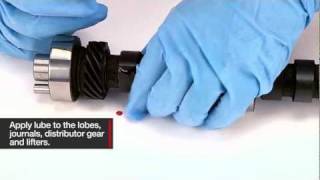
Yes. For flat-tappet camshafts, it is critical to use a high-zinc break-in oil or a zinc additive (ZDDP) for the first 20-30 minutes of engine run time. This prevents premature wear and failure of the new lifters and camshaft lobes. After break-in, using an oil with sufficient zinc content is recommended for long-term protection.
🎬 Watch: Expert tips for proper flat tappet cam break-in.Is replacing valve lifters a DIY job?
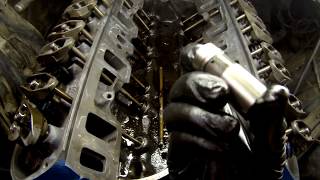
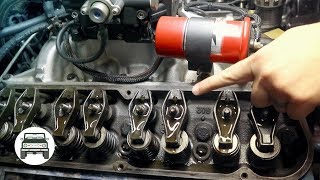
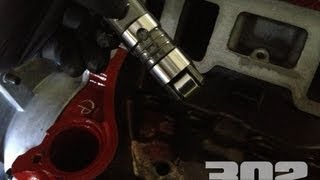
This is an advanced DIY job. It requires removing the intake manifold, valve covers, rocker arms, and pushrods to access the lifters. For V8 engines, this can be a 7-15 hour job. If you are not comfortable with extensive engine work, it is best left to a professional mechanic.
🎬 See this walkthrough of a small block Ford lifter replacement.Helpful Videos
Technical Specifications
The 1975-1983 Ford Mustang engines use hydraulic flat-tappet lifters. The number of lifters required depends on the engine: 8 for the 2.3L I4, 12 for the 2.8L V6 and 3.3L I6, and 16 for the 4.2L and 5.0L V8s.
We Have This Part in Stock


The information in this article is provided for general reference and educational purposes only. Vehicle specifications, procedures, and part compatibility can vary by production date, trim level, and region. Always consult your vehicle's factory service manual and verify part numbers before purchasing or performing repairs. Safety-critical components such as airbags, seat belts, and braking systems should be installed by a qualified professional.