

Volkswagen Rabbit Ignition Coil Guide: 1975-1985
Everything you need to know before buying a new ignition coil for your classic VW Rabbit.
- A failing ignition coil will cause symptoms like no-starts, stalling, misfires, and poor acceleration.
- Replacement is a simple, DIY-friendly job that takes less than 30 minutes with basic tools.
- Ensure you buy the correct coil for your Rabbit's specific year and engine (gasoline only, not diesel).
- Premium aftermarket brands like NGK and Standard Ignition are reliable choices; budget brands trade longevity for a lower price.
Symptoms of a Failing Ignition Coil
When your Rabbit's ignition coil starts to go bad, it will give you clear signs. Because it's responsible for creating the spark for combustion, a faulty coil can cause noticeable engine problems. You might find your car is hard to start, or it might not start at all. Other common symptoms include engine misfires, which can feel like a stutter or shake, a rough idle, and a general loss of power when you accelerate. You may also notice your fuel economy getting worse because unburned fuel is being wasted. In some cases, you might even see black smoke from the exhaust or hear a backfiring sound.
Don't Ignore the Signs
A failing ignition coil can leave you stranded. If you notice symptoms like stalling or a car that won't start, it's best not to drive until the issue is fixed. Continuing to drive with a bad coil can also damage other parts of your ignition system.
Choosing the Right Aftermarket Ignition Coil
For a classic vehicle like the 1975-1985 Rabbit, you have good options in the aftermarket. Since Original Equipment (OEM) parts can be hard to find or very expensive, a quality aftermarket coil is often the best choice. Aftermarket brands often meet or exceed the original specifications.
When shopping, it's helpful to think of brands in tiers:
- Premium Brands (NGK, Standard Ignition): These brands have a strong reputation for quality and reliability, often matching or exceeding OEM performance. NGK and Standard Ignition are well-respected in the industry and are a solid choice for longevity.
- Standard Brands (Spectra, Holstein): These brands offer a good balance of quality and price. They are designed as direct replacements and are a reliable choice for daily drivers. Some users have reported mixed results with brands like Spectra, so it's important to weigh the cost against potential risks.
- Economy Brands (Global Parts, Walker Products): These are typically the most affordable options. While they can get your car running, there can be trade-offs in materials and lifespan. They can be a good fit for a budget repair, but may not last as long as premium alternatives.
Pro Tip: Check Your System
Over its production run, the Rabbit used different ignition systems (points-based and electronic). While most aftermarket parts are sorted by year and engine, it's always a good idea to double-check that the coil you're buying is compatible with your specific car's setup. Also, note that ignition coils are only used on gasoline engines, not diesel models.
Understanding Replacement Costs
Replacing an ignition coil on a 1975-1985 Rabbit is generally affordable. The part itself is not expensive, and the labor is straightforward.
| Item | Estimated Cost |
|---|---|
| New Aftermarket Ignition Coil | $29.97 - $70.53 |
| Estimated Shop Labor | $60 - $120 |
| Total Estimated Cost (Installed) | $90 - $190 |
Frequently Asked Questions
Can I replace the ignition coil myself?
Yes, this is a very DIY-friendly job for most Rabbit owners. The ignition coil is usually easy to access in the engine bay. The process involves disconnecting the battery, unplugging the electrical connectors and the main coil wire, unbolting the old coil, and installing the new one in its place. Basic hand tools are all that's required.
Do I need a special coil for my Rabbit?
For the most part, you need a standard 12-volt ignition coil. However, some early models with points-based ignition systems may require a coil with an external ballast resistor, while later electronic ignition models use a different type. Always use your vehicle's year and engine to find the correct part. The gasoline engine coils are different from any components on a diesel Rabbit, which does not use an ignition coil.
What is the difference between an oil-filled and an epoxy-filled coil?
Oil-filled coils use a special oil inside the canister to cool the internal windings. Epoxy-filled coils use a solid epoxy material for the same purpose. Epoxy coils are generally more durable and resistant to vibrations and heat, making them a popular modern choice. For a classic car, either type will work as long as it meets the electrical specifications for your ignition system.
Should I replace my spark plug wires at the same time?
It's a great idea. The ignition coil, distributor cap, rotor, and spark plug wires are all part of the same system. If the coil has failed due to age, there's a good chance the other components are also worn. Replacing them together ensures the entire ignition system is in top shape and can prevent future problems.
Technical Specifications
OEM Part Numbers: 211905115B 043905115C 113905115C
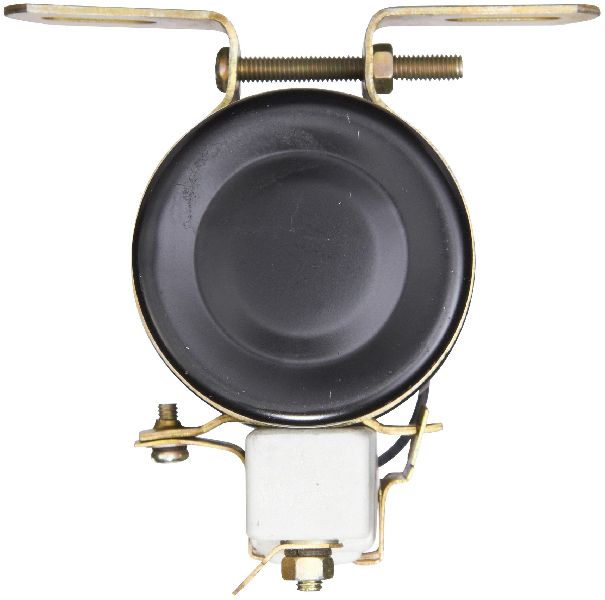
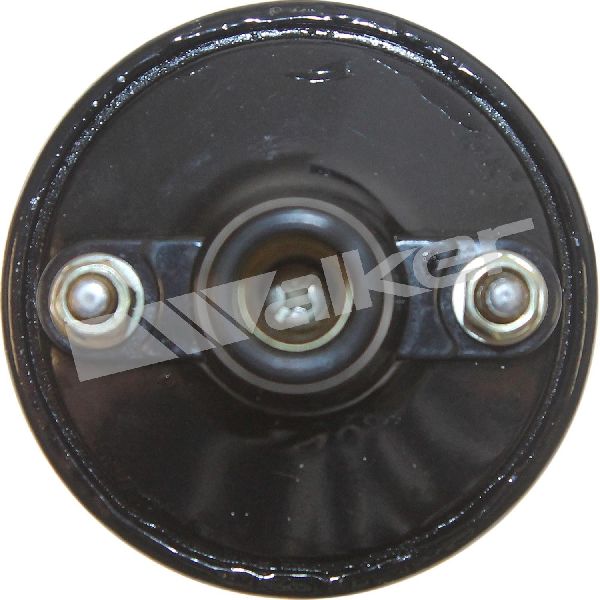
This vehicle uses a single, canister-style ignition coil. It converts 12V battery power to high voltage for the distributor. Compatibility depends on whether the ignition system is points-based or electronic. Most aftermarket coils are designed to work with the appropriate system for the selected vehicle year.
We Have This Part in Stock


The information in this article is provided for general reference and educational purposes only. Vehicle specifications, procedures, and part compatibility can vary by production date, trim level, and region. Always consult your vehicle's factory service manual and verify part numbers before purchasing or performing repairs. Safety-critical components such as airbags, seat belts, and braking systems should be installed by a qualified professional.