

Dodge W100 Wiper Motor Guide: Choosing a Replacement for 1975-1989 Models
Don't get caught in the rain—here's what to know before you replace your W100's wiper motor.
- Before replacing the motor, check the plastic wiper linkage bushings; they are a common failure point and a cheap fix.
- Symptoms of a bad motor include only working on high speed, not parking correctly, or slow operation.
- No recalls or TSBs are active for the wiper motor on the 1975-1989 Dodge W100.
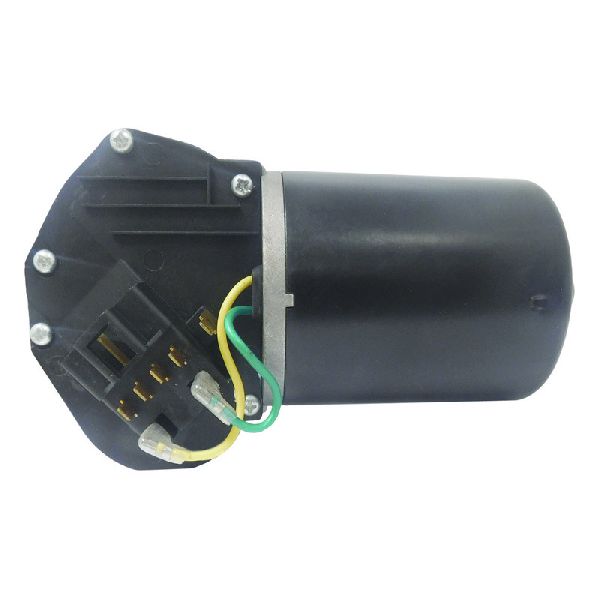
- Always compare your old motor to the new one before installation to ensure the mounting points and electrical connector match.
Is It Really a Bad Wiper Motor?
On these classic Dodge trucks, one of the most common wiper problems isn't the motor at all. The wiper motor connects to the wiper arms via a linkage, and this linkage uses small plastic or nylon bushings at its pivot points. Over decades, these bushings become brittle and break, causing the linkage to disconnect from the motor. The result? You can hear the wiper motor running, but the wipers don't move. Before buying a new motor, check these bushings first; it could be a very inexpensive fix.
Pro Tip: If you hear a humming or buzzing sound from the base of the windshield when you turn the wipers on, but the arms don't move, the motor is getting power. This strongly suggests either a stripped gear inside the motor or, more likely, a broken linkage bushing.
Symptoms of a Failing Wiper Motor
If you've ruled out the linkage bushings, look for these classic signs of a dying wiper motor:
- Slow or Jerky Operation: The wipers move much slower than they used to, even on the highest speed setting.
- Only One Speed Works: Often, the motor will only work on the high-speed setting when the low-speed or intermittent settings have failed.
- Wipers Won't Park: When you turn the wipers off, they stop in the middle of the windshield instead of returning to the bottom. This points to a failure of the internal park switch.
- No Movement at All: If you don't hear any sound from the motor and have already checked the fuse and ground wire, the motor has likely burned out completely.
Choosing the Right Aftermarket Wiper Motor
For a 1975-1989 Dodge W100, a new OEM motor from Mopar is no longer available. Your choices are new aftermarket, remanufactured, or used. Aftermarket parts offer a practical balance of availability and cost.
Here’s a look at the common brands available:
- Cardone (New & Remanufactured): Cardone is one of the biggest names in aftermarket parts, offering both new and rebuilt options. Their remanufactured units are often original cores that have been rebuilt, which can be a good thing for fitment. However, quality can sometimes be inconsistent. One user on a classic car forum noted that a new motor had a different 'park' position than the original, requiring adjustment.
- WAI Global: WAI is known for producing a wide range of new aftermarket electrical parts. They are generally considered a standard replacement-grade option. Some forum discussions suggest that WAI and other brands might source their parts from the same factories, leading to similar designs.
- Replacement: This is typically a house or generic brand that focuses on providing a direct-fit part at a low cost. These parts are built to match the original specifications for installation but may not have the same long-term durability as more established brands.
A Note on Part Variations: Over the long production run of these trucks, Dodge used different wiper motors. For example, motors from the mid-1980s can be physically larger than those used in the early 1990s. Always verify that the motor you are buying visually matches your old one, paying close attention to the mounting points and electrical connector.
Known Issues, Recalls, and Service Bulletins
Searches of the National Highway Traffic Safety Administration (NHTSA) database and other sources show no specific recalls or Technical Service Bulletins (TSBs) for the wiper motor on the 1975-1989 Dodge W100. Recalls found for Dodge truck wiper motors apply to much newer models, such as those from 2005-2009.
Estimated Costs
| Part Type | Estimated Cost |
|---|---|
| New Aftermarket Wiper Motor | $60 - $195 |
| Shop Labor for Installation | $100 - $200 |
| Wiper Linkage Bushings | $5 - $20 |
Frequently Asked Questions (FAQ)
Do I need to replace the whole motor if I just hear it running but the wipers don't move?
Probably not. This is the classic symptom of a broken plastic wiper linkage bushing. It's a small, inexpensive part that connects the motor's arm to the wiper transmission. Always check this first.
Why do my wipers only work on the high-speed setting?
This is a common failure mode for an aging wiper motor. The internal resistors or circuitry that control the lower speeds burn out, leaving only the direct, high-speed setting functional. The motor needs to be replaced.
Is replacing the wiper motor a difficult job on a W100?
No, it's a fairly straightforward job for a DIYer. Access is good on these older trucks. The process involves removing the wiper arms and the cowl panel to access the three bolts holding the motor to the firewall. The most difficult part can be removing old, stuck wiper arms without a special puller tool.
My new motor works, but the wipers park in the wrong spot. What's wrong?
This can happen if the motor was not in its 'parked' position when you attached the wiper linkage. The best practice is to connect the new motor to the wiring harness and run it for one cycle, then turn it off. This allows it to stop in its natural park position. Then, you can attach the linkage and wiper arms in their correct resting place.
Technical Specifications
OEM Part Numbers: 4339449
Typically a 12-volt, 2-speed motor with an internal park switch. The electrical connector and physical size can vary by year.
We Have This Part in Stock






The information in this article is provided for general reference and educational purposes only. Vehicle specifications, procedures, and part compatibility can vary by production date, trim level, and region. Always consult your vehicle's factory service manual and verify part numbers before purchasing or performing repairs. Safety-critical components such as airbags, seat belts, and braking systems should be installed by a qualified professional.