

A Guide to the Engine Coolant Bypass Hose for the 1976-1980 Dodge Aspen
Keep your Aspen's engine from overheating by understanding this small but critical cooling system part.
- On a 40+ year-old vehicle, this hose fails due to age; inspect it regularly for cracks and leaks.
- Do not drive if you have a coolant leak; overheating can cause catastrophic engine damage.
- Always replace the small hose clamps when you replace the hose to ensure a proper seal.
- Choose a molded hose from a quality brand like Gates, Dayco, or ACDelco for a correct fit.
Is Your Aspen's Engine Coolant Bypass Hose Failing?
After more than 40 years, the original rubber hoses on your 1976-1980 Dodge Aspen are living on borrowed time. Decades of heat cycles, pressure, and exposure to engine fluids cause the rubber to break down. A failure of the bypass hose can quickly lead to serious engine damage, so identifying the warning signs early is crucial.
Common Symptoms of a Bad Bypass Hose
- Coolant Leaks: This is the most common symptom. You may find puddles of green or orange fluid under your car or see a crusty residue on or around the hose itself.
- Engine Overheating: A leak will cause your coolant level to drop. Without enough coolant, the engine can't maintain its proper temperature, causing the gauge to climb into the red zone.
- Sweet Smell: The distinct, sweet aroma of antifreeze coming from the engine bay is a sure sign of a coolant leak.
- Visible Hose Damage: When the engine is cool, inspect the hose. Look for cracks, splits, or bulges. If the hose feels rock-hard, brittle, or mushy, it needs to be replaced immediately.
Do Not Drive with a Coolant Leak
A leak from any part of the cooling system can quickly lead to a loss of coolant, causing the engine to overheat. This can result in catastrophic damage, such as a blown head gasket or a warped cylinder head. It is not safe to drive your Aspen until the leak is repaired.
Choosing the Right Aftermarket Bypass Hose
New original equipment (OEM) Mopar hoses for a vehicle of this age are generally not available. Fortunately, modern aftermarket brands offer high-quality replacements that are often made from superior materials compared to the originals from the 1970s. Your main choices will be from trusted brands like Gates, Dayco, and ACDelco.
- Top Tier (Gates): Gates is widely regarded as a leader in belts and hoses, often manufacturing parts for original equipment suppliers. They are known for excellent material quality and proper fitment, which is critical.
- Excellent Alternatives (Dayco, ACDelco): Dayco and ACDelco are also reputable brands that produce reliable coolant hoses. While some mechanics have preferences, a molded hose from any of these three brands will be a dependable choice.
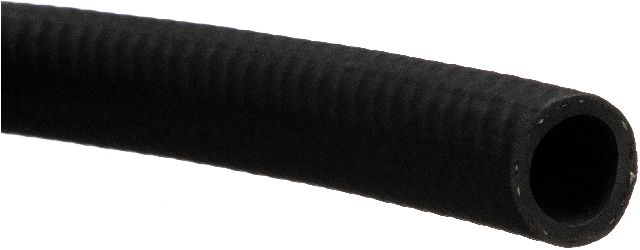
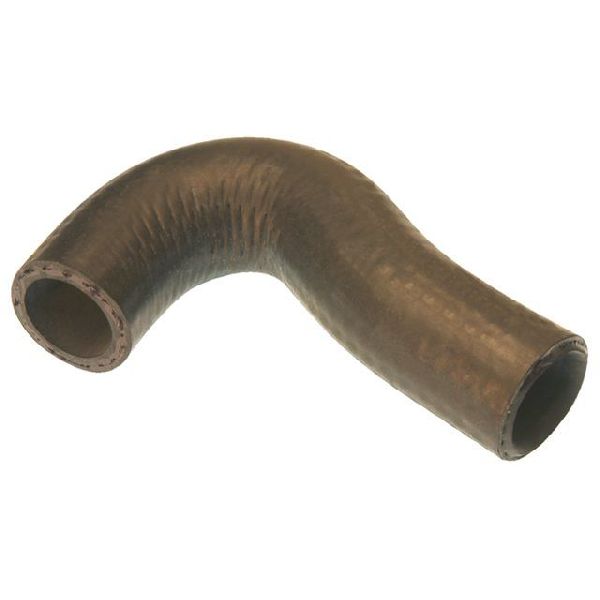
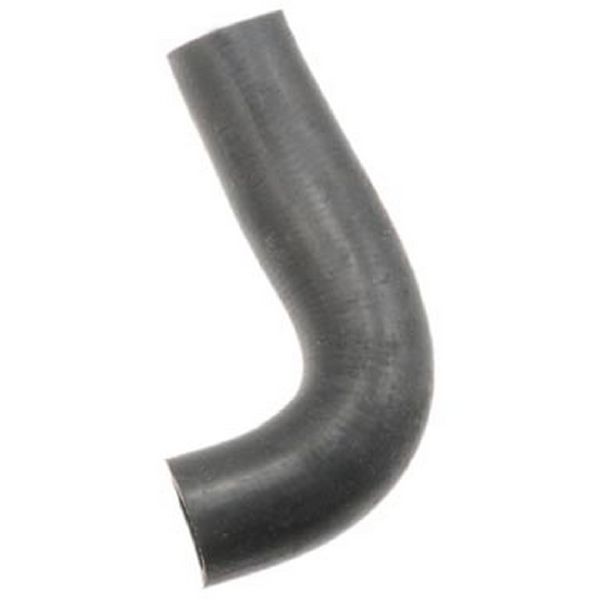
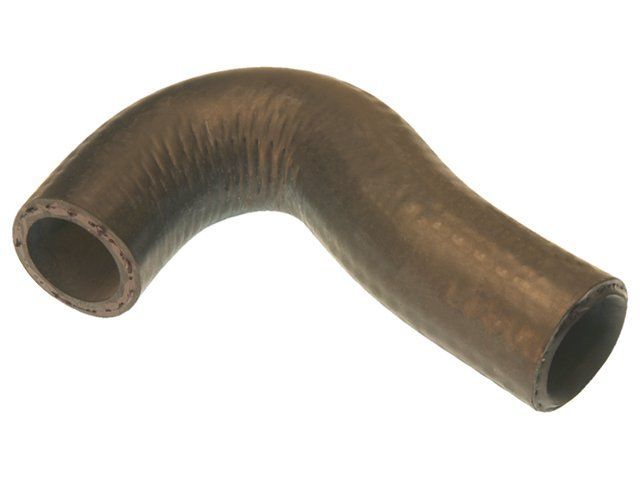
Pro Tip: Always Choose a Molded Hose. When shopping, prioritize a "molded" hose over a universal straight hose. Molded hoses are pre-shaped with the correct bends to fit your Aspen's specific engine (Slant 6 or V8), ensuring a perfect fit without kinks that can restrict coolant flow.
Known Issues for the 1976-1980 Dodge Aspen
While searches did not find any recalls or Technical Service Bulletins (TSBs) specifically for the engine coolant bypass hose, the 1976-1980 Dodge Aspen and its twin, the Plymouth Volaré, were two of the most recalled cars of their era. Issues ranged from premature rust and faulty seatbelts to problems with the fuel system, brakes, and suspension. This history of widespread quality control problems underscores the importance of regularly inspecting wear-and-tear components like hoses on these classic vehicles.
Cost of Replacing the Engine Coolant Bypass Hose
| Part/Service | Estimated Cost |
|---|---|
| New Aftermarket Hose | $20.08 - $81.22 |
| Shop Labor | $100 - $180 |
| Total Estimated Cost | $120 - $262 |
Frequently Asked Questions (FAQ)
Can I replace the engine coolant bypass hose myself?
Yes, this is a DIY-friendly job for someone with basic mechanical skills. It involves partially draining the cooling system, removing the old hose clamps and hose, and installing the new parts. The main challenge is often access to the hose, which may be tight depending on your engine.
Should I replace the hose clamps too?
Absolutely. Always use new hose clamps when replacing a coolant hose. Old clamps can lose their tension over time or corrode, leading to leaks even with a new hose.
How often should this hose be replaced?
There is no set interval, but on a classic car, all cooling system hoses should be inspected at every oil change. Due to age, any original hose should be replaced as a preventative measure. A new, quality aftermarket hose should last for many years.
Is the bypass hose the same for the Slant 6 and V8 engines?
No, the bypass hose is specific to the engine type. The Dodge Aspen was available with a Slant 6 engine as well as 5.2L (318ci) and 5.9L (360ci) V8s. Ensure you purchase the correct molded hose for your specific engine for proper fit.
Technical Specifications
The bypass hose is a molded rubber component specific to the engine installed in the vehicle (e.g., Slant 6, 5.2L V8, or 5.9L V8). It is designed to withstand high temperatures and pressure within the cooling system. Aftermarket versions are typically made from EPDM rubber to resist heat and electrochemical degradation.
We Have This Part in Stock

The information in this article is provided for general reference and educational purposes only. Vehicle specifications, procedures, and part compatibility can vary by production date, trim level, and region. Always consult your vehicle's factory service manual and verify part numbers before purchasing or performing repairs. Safety-critical components such as airbags, seat belts, and braking systems should be installed by a qualified professional.
- 🛍️ Shop This Part
- Is Your Aspen's Engine Coolant Bypass Hose Failing?
- Common Symptoms of a Bad Bypass Hose
- Do Not Drive with a Coolant Leak
- Choosing the Right Aftermarket Bypass Hose
- Known Issues for the 1976-1980 Dodge Aspen
- Cost of Replacing the Engine Coolant Bypass Hose
- Frequently Asked Questions (FAQ)
- 🎟️ Get 5% Off