

Essential Guide to 1976-1980 Ford Bronco Front Disc Brake Calipers
If your classic Bronco pulls to one side or feels slow to stop, your calipers might be the culprit.
- Brake calipers are a critical safety component; if you suspect a failure, stop driving the vehicle immediately.
- For this Bronco, remanufactured calipers are the industry standard and a cost-effective solution. Inspect the part before installing.
- Always replace front calipers in pairs to ensure even braking and prevent the vehicle from pulling.
- Proper installation is key. Thoroughly clean and lubricate the caliper sliding surfaces on the knuckle to prevent seizing.
Signs of a Failing Brake Caliper
A bad brake caliper is a serious safety issue. Because they are exposed to heat, dirt, and moisture, calipers on a classic Bronco can wear out or seize. Look for these common symptoms:
- Vehicle Pulls to One Side: When you brake, the truck may pull sharply to the left or right. This is a classic sign of a seized caliper piston or stuck slide pins on one side.
- Spongy or Soft Brake Pedal: If the pedal feels mushy or goes further to the floor than usual, it could be caused by a leak in a caliper seal.
- Brake Fluid Leaks: Puddles of clear or brownish fluid near your front wheels are a sure sign of a leak. Check around the caliper's piston seal and bleeder screw.
- Dragging Sensation or Burning Smell: A caliper that doesn't release will keep the brake pads pressed against the rotor, causing constant friction. This creates a dragging feeling, hurts fuel economy, and can produce a distinct burning smell from the overheated brake components.
- Uneven Brake Pad Wear: When inspecting your brakes, if the pads on one side are significantly more worn than the other, a faulty caliper is the likely cause.
Brake System Warning
Brake system failures are critical. If you suspect a bad caliper, do not drive the vehicle. Have it inspected and repaired immediately to avoid a potential accident.
Choosing the Right Aftermarket Caliper
For a vehicle from the 1976-1980 era, new Original Equipment (OEM) calipers are generally not available. The market consists almost entirely of new and remanufactured aftermarket parts, which are the standard and cost-effective choice.
- New vs. Remanufactured: New aftermarket calipers are built from all-new materials. Remanufactured calipers use the original caliper housing (the core), which is cleaned and inspected, then rebuilt with new seals, pistons, and hardware. For a simple design like the Bronco's single-piston caliper, a quality remanufactured unit from a reputable brand offers performance identical to new at a lower cost.
- Brand Tiers & Quality:
- Cardone: One of the largest remanufacturers. They offer different product lines, including standard remanufactured and premium "Ultra" calipers with a protective coating. Quality can sometimes be inconsistent, so it's wise to inspect the part carefully before installation.
- Centric: A well-regarded brand in the aftermarket brake industry, often recommended by mechanics. They offer both new and remanufactured options.
- BBB Industries: Another major supplier of remanufactured calipers.
Ultimately, for this application, all three brands offer a viable replacement. The quality of a remanufactured part can vary, so it's more important to buy from a trusted retailer and inspect the part upon arrival.
Pro Tip: Replace in Pairs
Always replace your front calipers in pairs. If one has failed due to age and wear, the other is likely not far behind. Replacing both ensures even braking performance and prevents the vehicle from pulling to the side with the newer, more effective caliper.
Typical Replacement Costs
| Part Category | Estimated Cost Range |
|---|---|
| New Aftermarket Caliper (Single) | $33 - $60 |
| Remanufactured Caliper (Single) | $30 - $55 (plus a refundable core charge) |
| Shop Labor | $200 - $350 |
Note: Costs are estimates and can vary by location and specific product. Remanufactured calipers often require a "core charge," which is a deposit refunded when you return your old caliper.
Frequently Asked Questions
Should I rebuild my original caliper?
Rebuild kits with new seals are available and are very inexpensive. However, it requires special tools and time. If the caliper piston or bore is rusted or pitted, a simple seal replacement won't work. Given the low cost of a complete remanufactured caliper, most owners find replacement to be the easier and more reliable option.
Do new calipers come with brackets and pads?
It depends. A "semi-loaded" caliper includes the caliper and bracket with new hardware and slide pins. A "loaded" caliper comes complete with brake pads already installed. A basic caliper is just the caliper body itself. For the 1976-80 Bronco, the caliper bracket is part of the steering knuckle, so you will typically buy an unloaded caliper and new pads separately.
What is the most common installation mistake?
The most common mistake is failing to properly clean and lubricate the sliding surfaces on the steering knuckle where the caliper moves. Without proper lubrication, a new caliper can bind up and fail prematurely. The second mistake is not bleeding the brakes correctly, which leaves air in the system and results in a spongy pedal.
Are there any recalls for 1976-1980 Bronco brake calipers?
No. There are no open recalls or Technical Service Bulletins (TSBs) from the NHTSA for the brake calipers on the 1976-1980 Ford Bronco. Any safety issues would have been addressed decades ago.
Technical Specifications
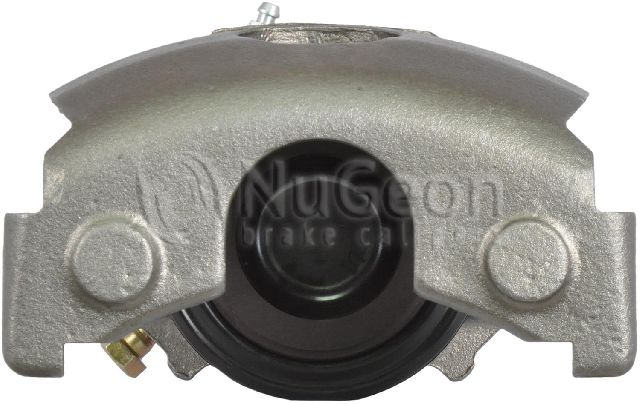
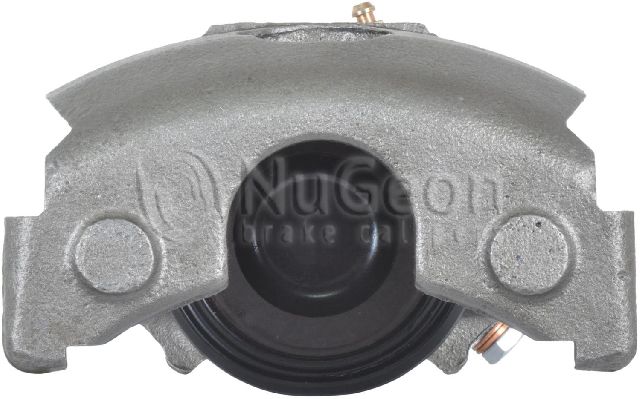
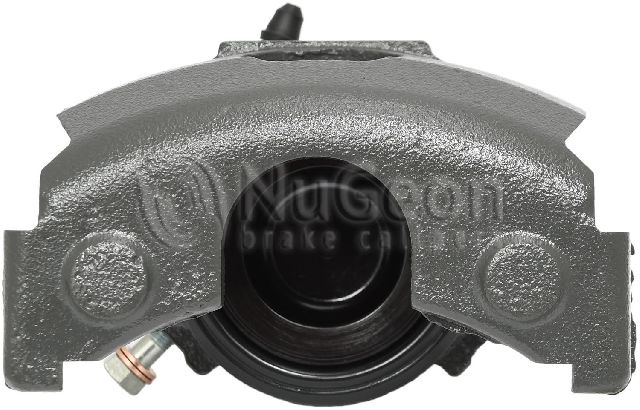
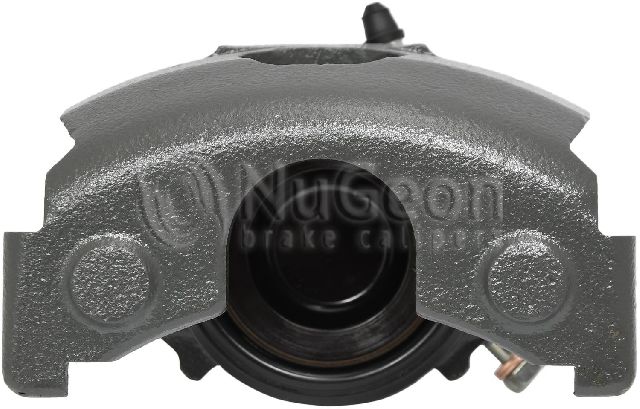
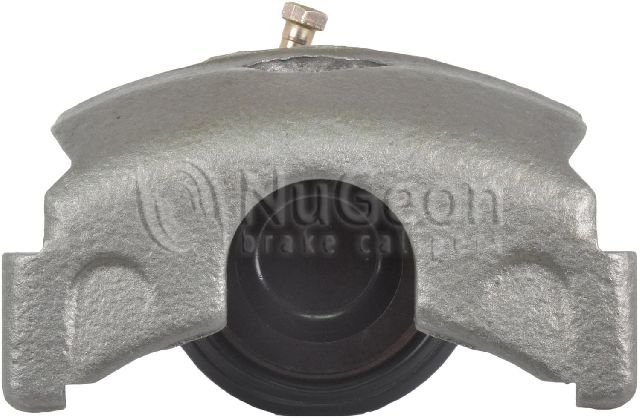
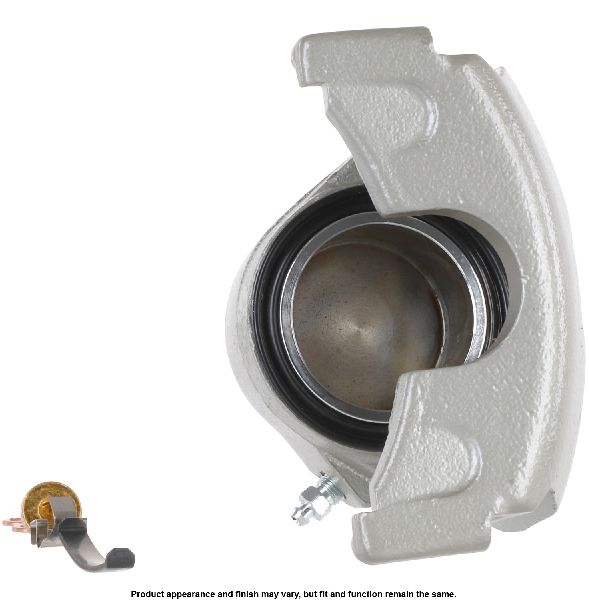
Brake Caliper Type: Single-Piston Floating Caliper
We Have This Part in Stock

The information in this article is provided for general reference and educational purposes only. Vehicle specifications, procedures, and part compatibility can vary by production date, trim level, and region. Always consult your vehicle's factory service manual and verify part numbers before purchasing or performing repairs. Safety-critical components such as airbags, seat belts, and braking systems should be installed by a qualified professional.