

Electric Fuel Pump Guide for the 1976-1982 Mercury Capri
Understand your electric fuel pump options to keep your classic Capri carbureted engine running smoothly.
- Most 1976-1982 Capris had mechanical fuel pumps; an electric pump is a common reliability and performance upgrade.
- Choose a low-pressure pump (4-7 PSI) specifically designed for carbureted engines to avoid overpowering the carburetor.
- For safety, an electric pump should be wired with a relay and an automatic shut-off, like an oil pressure switch.
- Placing a fuel filter before the pump is critical to prevent debris from damaging the new pump.
Understanding Your Capri's Fuel System
The 1976-1982 Mercury Capri spans two distinct generations: the German-built Capri II (1976-1978) and the American Fox-body Capri (1979-1982). Most of these vehicles, especially non-turbo models, were originally equipped with a mechanical fuel pump driven by the engine. An electric fuel pump is a common and practical upgrade, offering more consistent fuel pressure which is ideal for performance and reliability. If you are replacing a pump on a carbureted Capri, it is important to confirm if you are replacing a factory electric unit (common on turbo models) or converting from a mechanical setup.
Symptoms of a Failing Electric Fuel Pump
A failing fuel pump will starve the engine of fuel, leading to several noticeable problems. You might find your Capri is hard to start, or it may stall shortly after starting. During driving, a bad pump can cause the engine to sputter, hesitate when you accelerate, or lose power at high speeds. You may also hear a distinct whining or buzzing sound from the rear of the vehicle where the pump is located. In many cases, a complete pump failure will prevent the engine from starting at all.
Safety First: Fuel System Work
Working with fuel system components is dangerous. Always work in a well-ventilated area, disconnect the battery, and have a fire extinguisher rated for gasoline fires nearby. Never smoke or create sparks near an open fuel system.
Choosing the Right Aftermarket Electric Fuel Pump
Since new original equipment (OEM) parts for a vehicle of this age are virtually nonexistent, all available options are from aftermarket manufacturers. This is not a disadvantage, as modern aftermarket pumps are often more reliable than the originals.
Your choice will depend on your needs:
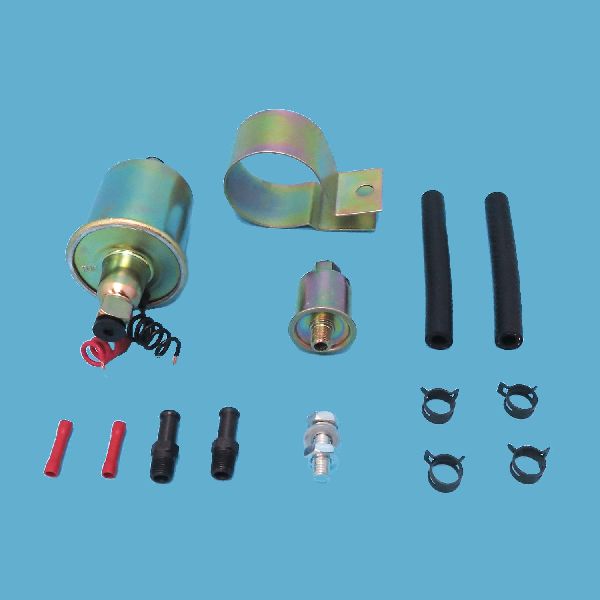
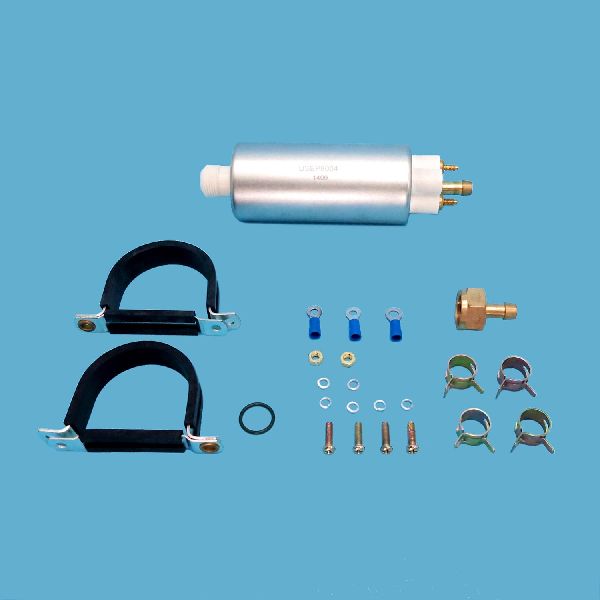
- Standard Replacement (US Motor Works): For a daily driver or a stock restoration, a standard replacement pump is a good choice. Brands like US Motor Works offer pumps designed to meet original equipment specifications for fit and function. They are built with modern materials to resist today's fuel blends.
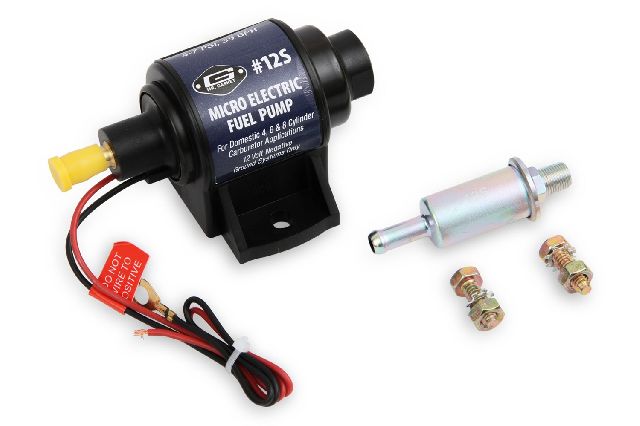
- Performance/Upgrade (Mr. Gasket): For modified engines or for owners looking for a robust upgrade from a mechanical pump, brands like Mr. Gasket are a popular choice. These pumps are known for being easy to install and providing the correct pressure (typically 4-7 PSI) for a carbureted engine. Some users note these pumps can be noisy, but mounting them with rubber insulators can reduce the sound.
Pro Tip: Add a Pre-Filter
To extend the life of your new electric pump, always install a fuel filter between the fuel tank and the pump's inlet. This prevents debris from inside the tank from being sucked into the pump, which is a common cause of premature failure.
| Part Type | Cost Range |
|---|---|
| New Aftermarket Electric Fuel Pump | $53.86 - $77.63 |
| Shop Labor for Installation | $110 - $220 |
| New OEM | Not Available |
Frequently Asked Questions
Is converting to an electric fuel pump a good upgrade for my Capri?
Yes, for many owners it is. An electric pump provides more consistent fuel pressure than a mechanical pump, which can improve starting and performance. It also helps prevent vapor lock, a condition where fuel boils in the line due to engine heat, which can be a problem with engine-mounted mechanical pumps.
Do I need a fuel pressure regulator?
It depends on the pump. Most low-pressure electric pumps designed for carburetors, like those from Mr. Gasket, are internally regulated to a safe pressure (e.g., 4-7 PSI). However, if you use a higher-pressure pump, you will absolutely need a separate regulator to lower the pressure before the fuel reaches the carburetor to avoid damage and flooding.
Where is the electric fuel pump located on a 1976-1982 Capri?
If installed as an aftermarket part, an electric fuel pump is typically mounted on the vehicle's frame rail, close to the fuel tank. This is because electric pumps are better at pushing fuel than pulling it. Factory installations on models like the Turbo RS would also be near the tank. This is different from the original mechanical pumps, which are bolted to the side of the engine block.
Can I install an electric fuel pump myself?
For a moderately skilled DIY mechanic, yes. The process involves mounting the pump, routing fuel lines, and wiring it safely. It's crucial to wire the pump through a relay that is triggered by the ignition. For safety, it should also be wired through an oil pressure switch or an inertia switch, which will automatically shut the pump off if the engine stalls or in the event of a crash.
Technical Specifications
Pressure Rating: 4-7 PSI (for carbureted applications) Flow Rate: ~35 GPH (Gallons Per Hour) Inlet/Outlet Size: Typically 5/16" or 3/8"
We Have This Part in Stock

The information in this article is provided for general reference and educational purposes only. Vehicle specifications, procedures, and part compatibility can vary by production date, trim level, and region. Always consult your vehicle's factory service manual and verify part numbers before purchasing or performing repairs. Safety-critical components such as airbags, seat belts, and braking systems should be installed by a qualified professional.