

Dodge Challenger Mechanical Fuel Pump Guide for 1976-1983 Models
Keep your classic second-generation Challenger properly fueled and on the road.
- The main cause of failure for these pumps is the internal diaphragm degrading from age and modern ethanol fuels.
- This is a DIY-friendly repair; rotating the engine to the low point on the cam lobe makes installation much easier.
- Always replace the fuel filter when you replace the fuel pump to protect the new part.
- For reliability, choosing a quality brand like Delphi or GMB that uses ethanol-resistant materials is a wise investment.
Understanding Your Challenger's Fuel Pump
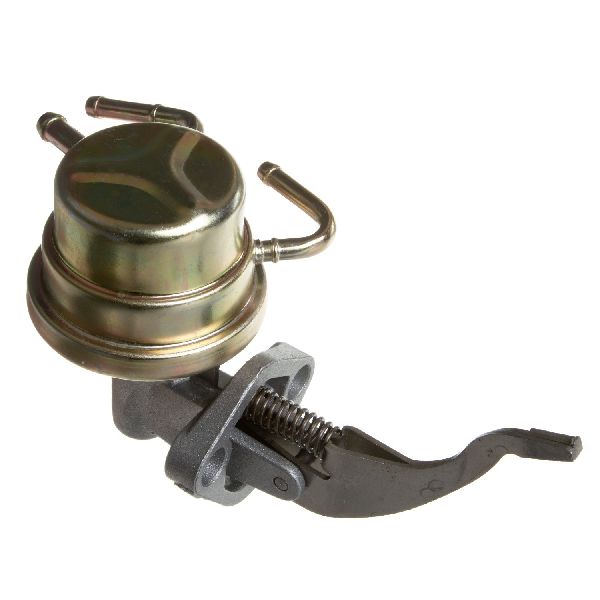
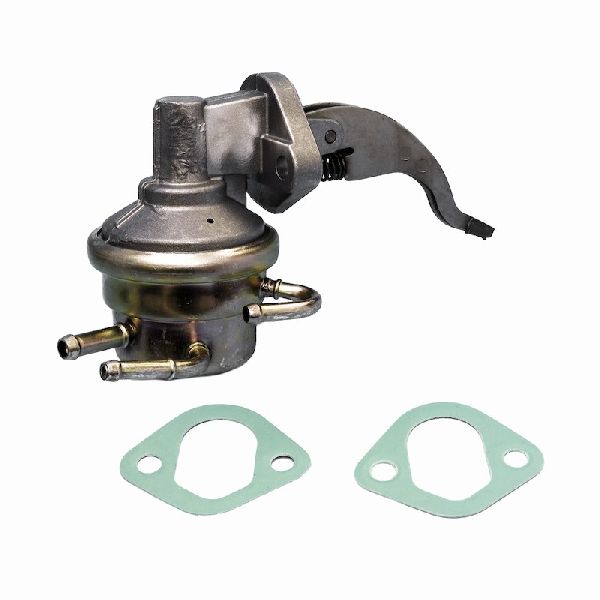
The 1976-1983 Dodge Challenger, a rebadged Mitsubishi Galant Lambda, uses a simple and reliable mechanical fuel pump. Mounted on the side of the engine block, this part is crucial for delivering fuel from the tank to the 1.6L or 2.6L engine's carburetor. Over time, especially with exposure to modern ethanol-blended gasoline, the internal rubber diaphragm can degrade, leading to failure. Knowing the signs of a bad pump and how to choose a quality replacement is key to maintaining your classic vehicle.
Symptoms of a Failing Mechanical Fuel Pump
A failing fuel pump can mimic other issues, but here are the common signs:
- Engine Sputtering at High Speeds: The pump can't supply enough fuel to meet the engine's demands, causing it to sputter or lose power.
- Difficulty Starting: A weak pump may struggle to prime the carburetor, leading to long crank times before the engine starts.
- Loss of Power and Hesitation: Under load, like going up a hill, the car may feel weak or hesitate because the engine is starved for fuel.
- Engine Stalling: The engine may stall, especially when hot, and refuse to restart until it has cooled down.
- Visible Fuel Leaks: A crack in the pump housing or a ruptured diaphragm can cause gasoline to leak onto the engine, creating a serious fire hazard.
Ethanol Warning
Modern E10 or E15 gasoline can be harsh on the original rubber and metal components of vintage fuel systems. The ethanol can dry out and crack the pump's internal diaphragm, leading to leaks or a complete failure. When replacing your pump, choose a quality aftermarket part designed with modern, ethanol-resistant materials.
Choosing the Right Aftermarket Fuel Pump
Since original equipment (OEM) parts for this vehicle are virtually nonexistent, a new aftermarket pump is your only realistic option. The brands available offer different levels of quality and reliability.
- Delphi: Often considered a top-tier aftermarket brand, Delphi has a long history as an OEM supplier for General Motors. Their parts are known for good quality control and materials that hold up well, making them a reliable choice.
- GMB: GMB is a well-established aftermarket manufacturer, particularly known for water pumps and fuel system components. They provide a solid, standard replacement option that meets original specifications and offers good value.
- US Motor Works: This brand typically falls into the economy or standard replacement category. While it can be a budget-friendly option, it's important to verify the warranty and ensure it's made with ethanol-compatible materials.
Estimated Replacement Costs
The cost to replace a mechanical fuel pump on a 1976-1983 Challenger is relatively low compared to modern vehicles.
| Item | Estimated Cost |
|---|---|
| New Aftermarket Fuel Pump | $41.89 - $74.78 |
| Shop Labor | $100 - $200 |
| Total Estimated Cost (Professional) | $142 - $275 |
| Total Estimated Cost (DIY) | $42 - $75 (Parts Only) |
Frequently Asked Questions (FAQ)
Can I replace the fuel pump myself?
Yes, this is a very DIY-friendly job for those with basic mechanical skills. The pump is typically held to the engine block with two bolts and has simple inlet and outlet hose connections. The most important step is to ensure the pump's lever is correctly positioned on the camshaft eccentric. Always use a new gasket and check for leaks after installation.
Are there any recalls for the 1976-1983 Challenger fuel pump?
There are no specific NHTSA recalls for the original mechanical fuel pump on the 1976-1983 Dodge Challenger. Searches for recalls primarily show issues with much newer Challenger models or unrelated aftermarket parts from many years ago.
How do I make sure the new pump is installed correctly?
To make installation easier, rotate the engine by hand so the camshaft lobe is at its lowest point. This releases pressure on the fuel pump's actuator arm. You can check this by unbolting the old pump; if it comes off easily without being pushed outward, you're in the right spot. Apply a thin layer of oil-safe sealant to the new gasket before bolting the new pump in place.
Is an electric fuel pump a better option?
Some owners of classic cars convert to an external electric fuel pump. This can solve problems like vapor lock but adds complexity and requires proper wiring and a pressure regulator to avoid overpowering the carburetor. For a stock vehicle, a quality mechanical pump is simple, reliable, and sufficient.
Technical Specifications
Engine-mounted, camshaft-driven diaphragm pump for carbureted 1.6L and 2.6L Mitsubishi engines.
We Have This Part in Stock

The information in this article is provided for general reference and educational purposes only. Vehicle specifications, procedures, and part compatibility can vary by production date, trim level, and region. Always consult your vehicle's factory service manual and verify part numbers before purchasing or performing repairs. Safety-critical components such as airbags, seat belts, and braking systems should be installed by a qualified professional.