

Choosing the Right Disc Brake Pads for Your 1978-1983 Dodge Challenger
Get the stopping power you need by understanding your brake pad options for your second-generation Challenger.
- This guide applies only to the 1978-1983 Dodge Challenger, which was a rebadged Mitsubishi import.
- OEM parts are generally unavailable; quality aftermarket brands like Raybestos and Dynamic Friction are the recommended choice.
- Symptoms like a spongy pedal or the car pulling to one side may point to issues beyond just the pads, such as air in the lines or caliper problems.
- Always inspect your brake rotors for wear and damage when replacing pads to ensure safe and effective braking.
A Note on Your Challenger's Model Year
Before buying parts, it's important to know that the Dodge Challenger was not made between 1975 and 1977, or in 1984. This guide is for the second-generation Dodge Challenger, sold from 1978 to 1983. These cars were built by Mitsubishi and were very different from the earlier muscle cars. Knowing you have a Mitsubishi-based Challenger is key to finding the right parts.
Symptoms of Worn Brake Pads
Your brakes will tell you when they need attention. Ignoring these signs can lead to more expensive repairs. Look out for:
- Squealing or Screeching: A high-pitched noise when you brake is often the first sign. It comes from a small metal tab called a wear indicator hitting the brake rotor.
- Grinding Noises: A loud, harsh grinding or growling means the friction material is completely gone. This is a serious issue where the metal backing plate of the pad is grinding against the rotor, causing damage.
- Spongy or Soft Brake Pedal: If your brake pedal feels soft or goes closer to the floor than usual, it could mean worn pads or, more seriously, air in the brake lines.
- Pulling to One Side: If your car pulls left or right when you brake, it could mean the pads are worn unevenly or a caliper is sticking.
- Vibrations: A pulsing or vibrating feeling in the brake pedal or steering wheel often points to warped brake rotors, which can happen when pads are worn out.
Stop Immediately if You Hear Grinding
A grinding sound means you are causing serious damage to your brake rotors. This makes the repair more expensive and is unsafe. Have your vehicle inspected right away.
Choosing the Right Aftermarket Brake Pads
For a car from this era, Original Equipment Manufacturer (OEM) parts from Dodge are generally no longer available. The good news is that modern aftermarket brake pads often meet or exceed the original quality and offer better performance. You have excellent choices that provide safe, reliable stopping power.
Brand Options: Quality and Value
When shopping for your Challenger, you'll find reliable brands that offer a great balance of performance and price.
- Raybestos: This is a well-known and respected brand in the brake industry. Their Element3 pads are a popular choice, combining the quiet, low-dust features of ceramic pads with the strong stopping power of semi-metallic pads. For most drivers, Raybestos offers dependable, quiet performance that is equal to or better than the car's original pads.
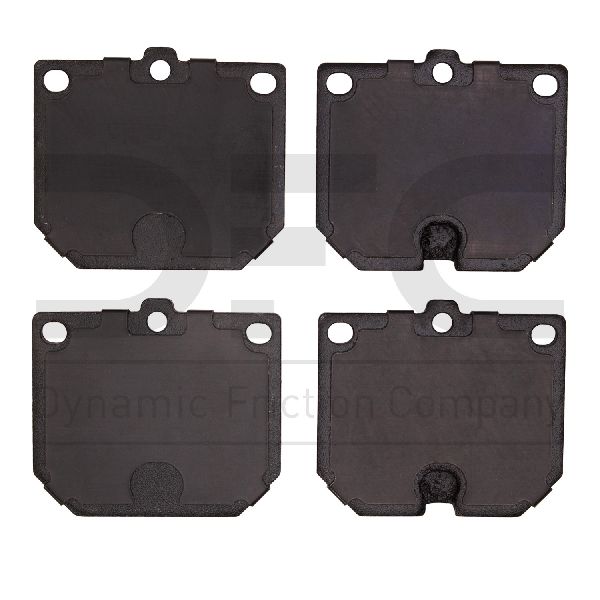
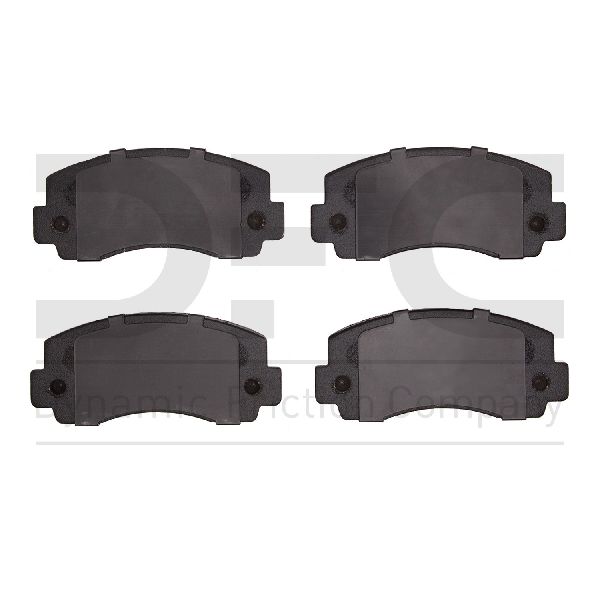
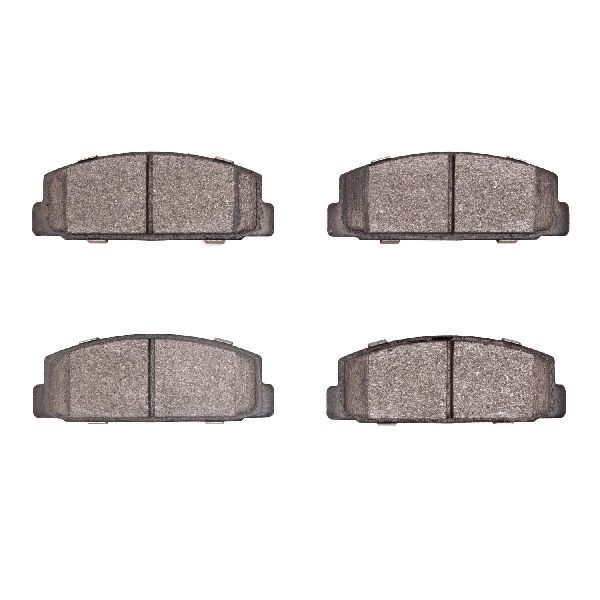
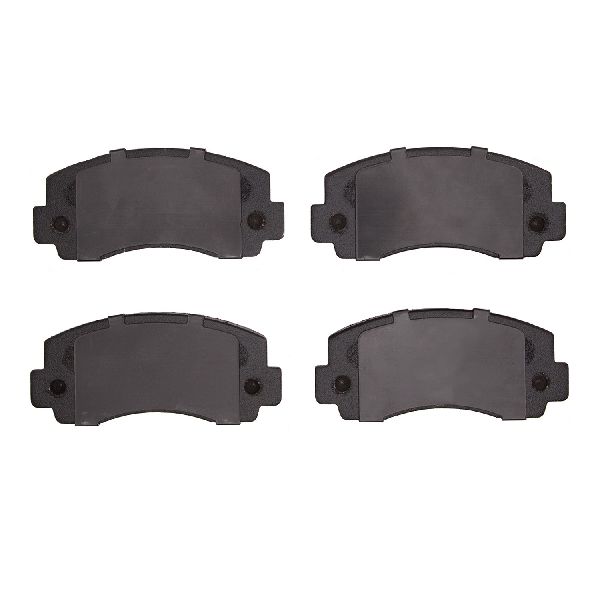
- Dynamic Friction (DFC): This brand is known for providing great value. DFC pads are often praised for producing less dust than factory pads and having a good pedal feel. They are an excellent choice for daily driving and spirited street use, offering solid performance without a high price tag.
Consider Your Rotors
When you replace your brake pads, inspect your brake rotors. If they have deep grooves, a noticeable lip on the edge, or show signs of warping (vibrations when braking), they should be replaced at the same time for the best performance and safety.
Aftermarket Disc Brake Pad Set Cost for 1978-1983 Dodge Challenger
| Option | Part Cost (Per Axle) | Labor Cost (Per Axle) |
|---|---|---|
| New Aftermarket (Raybestos, Dynamic Friction) | $36.86 - $51.29 | $80 - $100 |
| New OEM | Not Generally Available (Discontinued) | |
Frequently Asked Questions
Are original Dodge (OEM) brake pads available for my 1978-1983 Challenger?
It is highly unlikely. For vehicles of this age, manufacturers typically stop producing original parts. The most reliable and available option is to purchase from a quality aftermarket brand.
What's the difference between ceramic and semi-metallic brake pads?
Ceramic pads are known for being quiet and producing very little dust, making them great for daily driving. Semi-metallic pads offer better performance across a wider range of temperatures and are often preferred for more aggressive driving, though they can be noisier and dustier. Hybrid pads, like the Raybestos Element3, aim to provide the best of both worlds.
Do I need to replace my rotors at the same time as my pads?
Not always, but it's essential to inspect them. A mechanic will measure the rotor's thickness to see if it's within a safe specification. If the rotors are warped, cracked, or too thin, they must be replaced for your safety and for the new pads to work correctly.
Why are my new brakes making noise?
New brake pads require a "break-in" or "bedding-in" period to properly mate with the rotor surface. Some light noise can be normal during the first few hundred miles. However, loud squealing or grinding could point to an installation issue, such as missing hardware or a lack of proper lubrication on contact points.
Technical Specifications
Fitment is specific to front or rear axles, and some models may have rear drum brakes. Aftermarket pads are typically available in semi-metallic, ceramic, or hybrid formulations.
We Have This Part in Stock

The information in this article is provided for general reference and educational purposes only. Vehicle specifications, procedures, and part compatibility can vary by production date, trim level, and region. Always consult your vehicle's factory service manual and verify part numbers before purchasing or performing repairs. Safety-critical components such as airbags, seat belts, and braking systems should be installed by a qualified professional.
- 🛍️ Shop This Part
- A Note on Your Challenger's Model Year
- Symptoms of Worn Brake Pads
- Stop Immediately if You Hear Grinding
- Choosing the Right Aftermarket Brake Pads
- Brand Options: Quality and Value
- Consider Your Rotors
- Aftermarket Disc Brake Pad Set Cost for 1978-1983 Dodge Challenger
- Frequently Asked Questions
- 🎟️ Get 5% Off