

Cadillac Eldorado Disc Brake Rotor Guide: 1976-1985 Models
Keep your classic Eldorado stopping smoothly and safely with the right new aftermarket rotors.
- Identify your year range correctly: 1976-1978 and 1979-1985 use different brake systems.
- For 1979-1985 models, use the parking brake regularly to ensure the rear calipers self-adjust and maintain a firm pedal.
- Always replace rotors in pairs (both front or both rear) to ensure even braking.
- Consider a coated aftermarket rotor to prevent rust and for a longer-lasting, cleaner appearance.
Understanding Your Eldorado's Brake System: Two Key Generations
Before buying parts, it's crucial to know that the 1976-1985 Eldorado spans two different brake system designs. Ordering the wrong part is a common mistake.
- 1976-1978 Models: These earlier models have a unique rear disc brake setup known for a specific type of caliper with an integrated parking brake. The parts for these years are generally not interchangeable with later models.
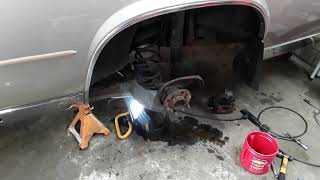
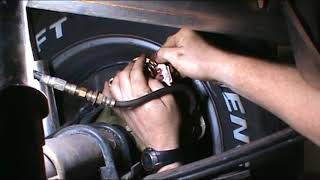
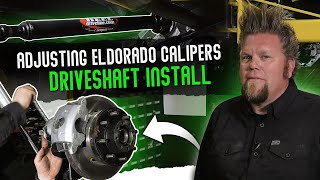
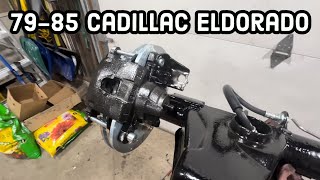
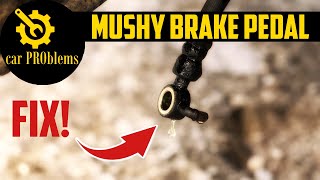
- 1979-1985 Models: As part of a major redesign, these Eldorados were made significantly lighter and came standard with a four-wheel disc brake system. The front rotors are larger than the rears (11.7-inch vs. 11.1-inch). A very common issue with these cars is a low or soft brake pedal 🎬 Watch: Troubleshooting common causes of a soft brake pedal caused by the rear calipers not self-adjusting. 🎬 See this walkthrough on adjusting rear calipers manually This happens when the parking brake is not used regularly.
Pro Tip: Use Your Parking Brake
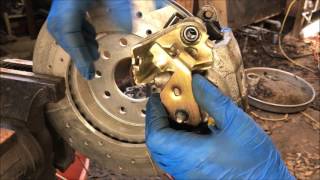
For 1979-1985 models, the rear brake calipers have a self-adjusting mechanism that only works when you use the parking brake. Routinely setting the parking brake every time 🎬 Watch: How to adjust your Eldorado emergency brake you park will keep the rear brakes adjusted properly, ensuring a firm pedal and even brake wear.
Symptoms of a Failing Disc Brake Rotor
Worn or damaged rotors compromise safety. Here’s what to look and listen for:
- Pulsing or Shaking: If you feel a pulsing in the brake pedal or a vibration in the steering wheel when you brake, the rotor surface is likely uneven. This is often called 'warping'.
- Grinding or Squealing Noises: A loud grinding sound means the brake pads are completely worn away and metal is grinding against metal. This damages the rotor and is a critical safety issue. High-pitched squealing can also indicate worn pads or a glazed rotor surface.
- Visible Damage: Look at the rotor surface. Deep grooves, scoring, or visible cracks mean the rotor needs immediate replacement. A bluish tint indicates it has been severely overheated.
Choosing the Right Aftermarket Rotor
Original Equipment (OEM) rotors for a car this age are likely unavailable. The good news is that many aftermarket brands offer quality replacements that meet or exceed original specifications. Here’s a look at some common brands.
- Professional Grade (Best): Brands like Raybestos (Element3 line) and Centric (C-TEK or Preferred lines) are well-regarded in forums for providing good quality and finish. Many rotors in this tier come with a protective coating (often black or grey) on the non-braking surfaces. This coating prevents rust, which keeps the rotor looking good behind the wheel and can make future service easier.
- Daily Driver (Better): Brands like Bendix and Dynamic Friction offer solid, reliable rotors for everyday use. They provide safe, consistent performance at a good value. While some users have noted a decline in Bendix quality over the years, they remain a popular choice.
- Economy (Good): Brands like Pronto offer a budget-friendly option. These are basic, uncoated rotors that will function safely but may show surface rust more quickly than coated options. They are a good choice for a car that is driven infrequently or when budget is the main concern.
A Note on OEM vs. Aftermarket
For a classic vehicle like the Eldorado, aftermarket parts are often the only option. Brands like Centric and Raybestos have built a reputation for producing parts that are as good as, or sometimes better than, the original factory parts. Don't be concerned about using a quality aftermarket rotor; they are a reliable and safe choice.
Estimated Replacement Costs
Prices can vary by location and the specific parts chosen. This table provides a general estimate.
| Part/Service | Estimated Cost |
|---|---|
| New Aftermarket Rotors (Per Pair) | $105 - $215 |
| Shop Labor (Per Axle) | $150 - $300 |
| Total Per Axle (Parts + Labor) | $255 - $515 |
| New OEM Rotors | Generally Not Available |
Frequently Asked Questions
Are the front and rear rotors the same?
No. On the 1979-1985 models, the front rotors are larger than the rear rotors (11.7" vs 11.1"). The 1976-1978 models also use different front and rear rotors. You must order rotors specific to the front or rear axle of your vehicle.
What's the difference between coated and uncoated rotors?
Coated rotors have a special paint or plating on the hat (the center part) and inside the cooling vanes. This prevents rust and corrosion, which keeps them looking better for longer and can prevent them from seizing to the hub. Uncoated rotors function identically but will develop surface rust on any area not swept by the brake pad.
Can I replace just the brake pads and not the rotors?
It is always recommended to replace pads and rotors at the same time. Putting new pads on a worn, grooved rotor will cause the new pads to wear out quickly and can lead to noise and poor performance. Given the affordable cost of new aftermarket rotors for the Eldorado, it is best practice to replace them together.
Were there any recalls on the brake rotors?
No specific recalls for the disc brake rotors themselves were found for the 1976-1985 Cadillac Eldorado. Any recalls for this era are long expired. Always have your brake system inspected by a professional if you have safety concerns.
Helpful Videos
Technical Specifications
OEM Part Numbers: 1490626 5473400 401809
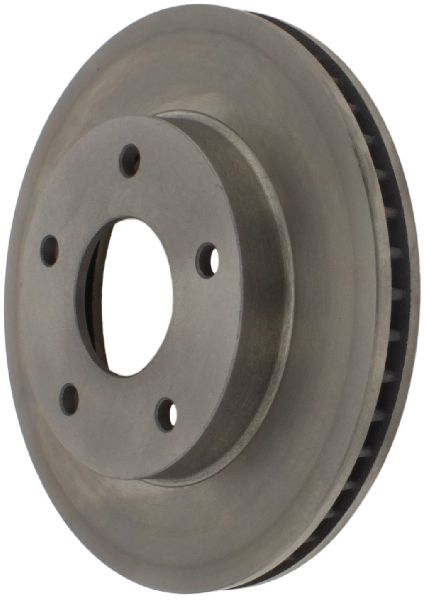
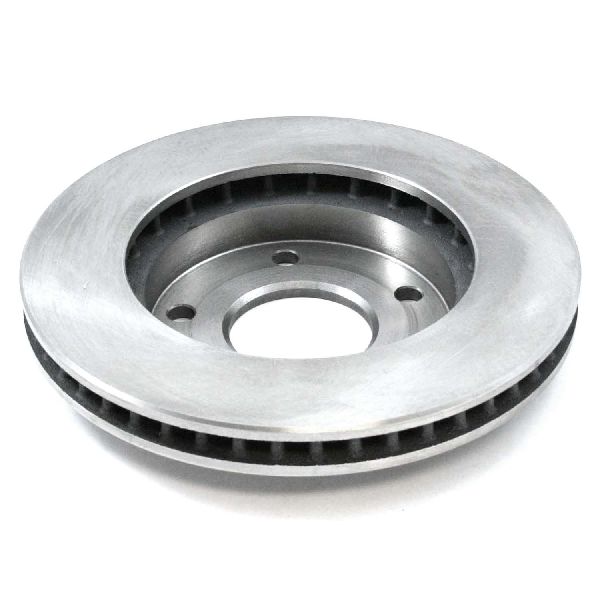
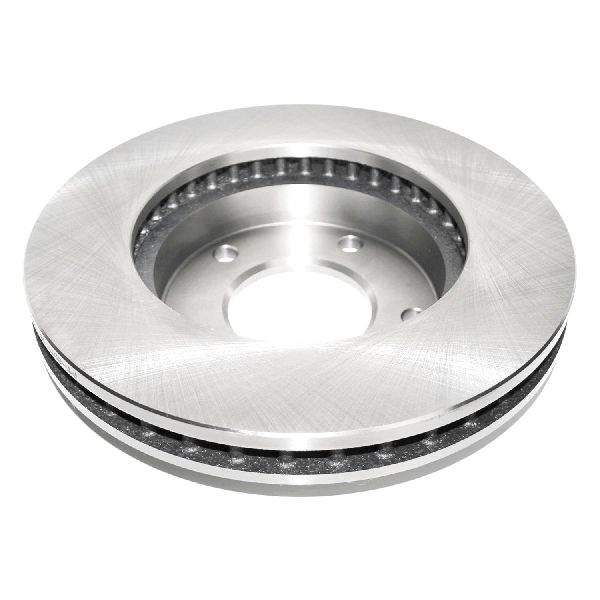
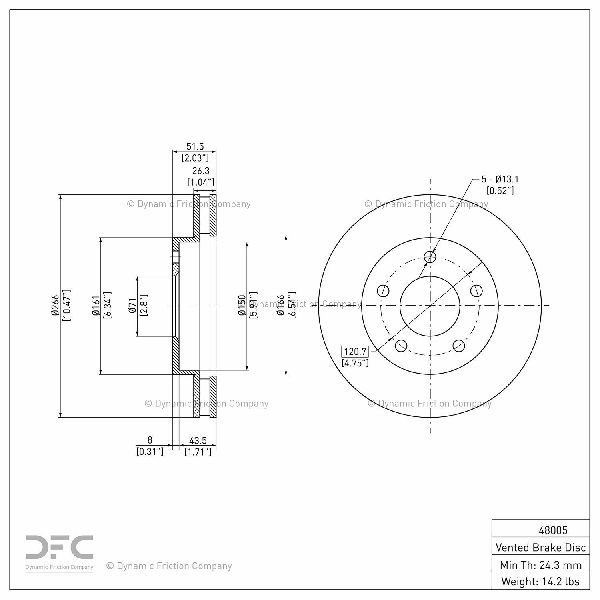
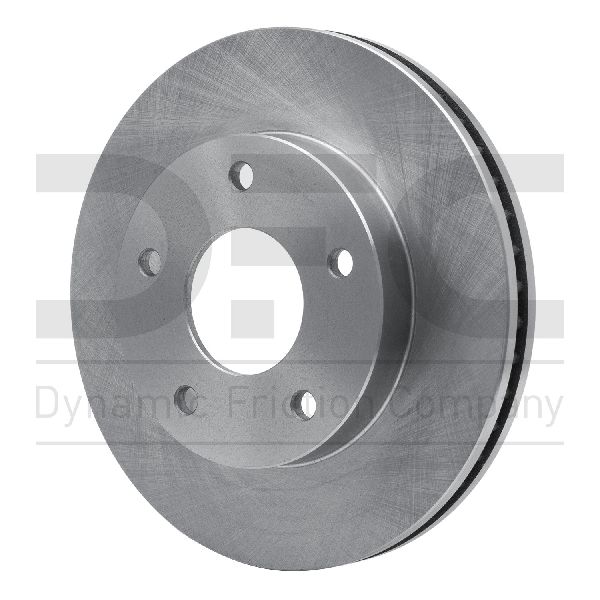
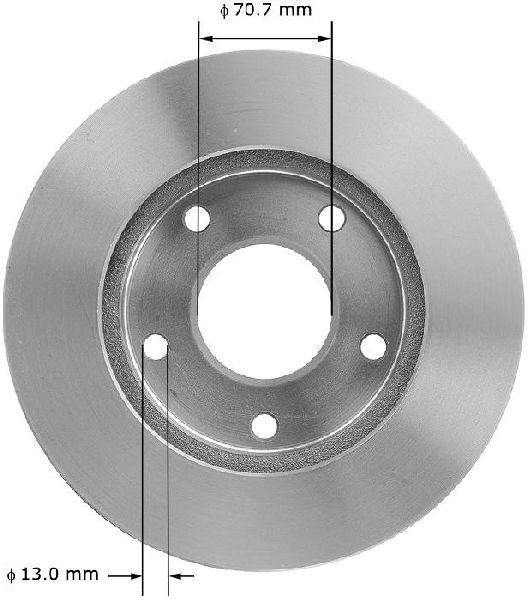
Brake System Varies by Year. 1976-1978 models use a specific rear caliper/rotor system. 1979-1985 models use a four-wheel disc system with 11.7-inch front rotors and 11.1-inch rear rotors. All rotors are cast iron and vented.
We Have This Part in Stock

The information in this article is provided for general reference and educational purposes only. Vehicle specifications, procedures, and part compatibility can vary by production date, trim level, and region. Always consult your vehicle's factory service manual and verify part numbers before purchasing or performing repairs. Safety-critical components such as airbags, seat belts, and braking systems should be installed by a qualified professional.
- 🎬 Helpful Videos
- 🛍️ Shop This Part
- Understanding Your Eldorado's Brake System: Two Key Generations
- Pro Tip: Use Your Parking Brake
- Symptoms of a Failing Disc Brake Rotor
- Choosing the Right Aftermarket Rotor
- A Note on OEM vs. Aftermarket
- Estimated Replacement Costs
- Frequently Asked Questions
- 🎟️ Get 5% Off