

Mercury Capri Horn Replacement and Troubleshooting Guide (1976-1986)
If your Capri's horn has gone silent or sounds weak, this guide will help you find the right fix.
- Horn failure on a 1976-1986 Capri is common and usually easy to diagnose, often caused by a bad horn unit, fuse, or relay.
- Before replacing parts, check for simple fixes like a blown fuse or corroded wires at the horn itself.
- Aftermarket brands like Standard Ignition offer excellent quality, while 'Replacement' brands provide a functional, budget-friendly option.
- Replacement is DIY-friendly, typically requiring access through the wheel well to unbolt the old horn and plug in the new one.
Is Your Mercury Capri Horn Not Working?
A dead horn on a classic car like the 1976-1986 Mercury Capri is a common issue. Usually, the problem is simple. The horn itself can fail from age and exposure to moisture. Other common points of failure are the fuse, the horn relay, or the horn button contacts in the steering wheel. Since the Capri shares its platform with the Ford Mustang of the same era, many of the diagnostic steps are identical.
Symptoms of a Failing Horn
Diagnosing a horn problem is straightforward. You'll likely experience one of these issues:
- No Sound at All: When you press the horn button, nothing happens. This could be a blown fuse, a bad relay, a failed horn unit, or a problem in the steering wheel switch.
- Weak or Gurgling Sound: If the horn sounds quiet, muffled, or like it's gargling, it's often a sign that the horn unit itself is failing due to internal corrosion from moisture. It can also indicate a poor electrical ground connection.
- Horn Works Intermittently: Sometimes it works, sometimes it doesn't. This often points to a loose wire, a failing relay, or worn contacts in the horn button.
- Horn Stays On: A less common issue, this is usually caused by a shorted relay or a stuck horn button in the steering wheel.
Known Issues for Fox Body Platform Cars
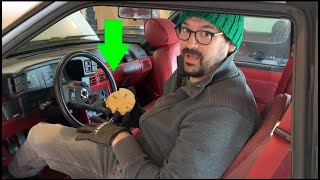
For cars from this era, including the Capri and its Mustang cousin, the foam pad inside the steering wheel's horn button can deteriorate over time. This can cause the horn to either not work or, in some cases, go off randomly. While the horn itself might be fine, this internal switch component is a frequent culprit.
🎬 Watch: Troubleshooting the steering wheel horn button and foam pad.Choosing the Right Aftermarket Horn
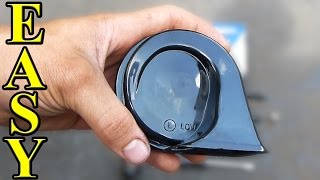
For a vehicle of this age, finding a new Original Equipment Manufacturer (OEM) horn from Ford is highly unlikely. The good news is that aftermarket options are readily available, affordable, and often meet or exceed original quality. Your main choices will be between value-focused brands and well-known manufacturers.
| Brand Tier | Available Brands | Quality & Performance Assessment |
|---|---|---|
| Standard Replacement | Replacement | The "Replacement" brand offers a budget-friendly solution. These parts are designed to be a direct fit and function like the original, providing a cost-effective way to get your horn working again. While they meet basic requirements, they may not have the same longevity or precise tone as a premium brand. |
| Premium Aftermarket | Standard Ignition (SMP) | Standard Ignition is a well-respected brand in the aftermarket industry, known for producing high-quality components that meet or exceed OEM specifications. A horn from Standard Ignition is built with robust materials for better durability and a more consistent sound. While it costs more than a generic option, it's a solid investment for reliability. |
Pro Tip: Check Your Connections First
Before buying a new horn, take a moment to check the basics. Ensure the fuse is not blown. Listen for a 'click' from the horn relay when you press the button; if you hear it, the relay is likely working. Also, check the wires connected to the horn itself for corrosion or looseness, as cleaning these can sometimes solve the problem.
Frequently Asked Questions (FAQ)
How do I replace the horn on my Mercury Capri?
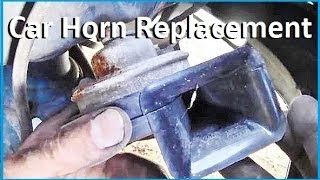
On most 1976-1986 Capris and Fox Body Mustangs, the horns are located behind the front bumper, often accessible by removing the driver's side inner fender liner or from underneath the car. It's typically held on by a single bolt and has a simple electrical connector. The replacement is a straightforward unbolt-and-unplug process, making it very DIY-friendly.
🎬 Watch: A quick walkthrough on how to replace the horn.Are there any recalls for the horn on a 1976-1986 Mercury Capri?
A search of the National Highway Traffic Safety Administration (NHTSA) database shows no specific recalls for the horn on the 1976-1986 Mercury Capri. Any issues are typically due to age-related wear and tear rather than a manufacturing defect.
Will an aftermarket horn sound different from the original?
It might. Aftermarket horns are designed to meet federal sound requirements, but the exact tone can vary. Some basic replacement horns may have a tinnier sound. Most cars from this era used a high-note and a low-note horn together to create a fuller sound. If your car only has one, ensure the replacement matches the correct pitch if you want to maintain a specific sound.
What is a horn relay and do I need to replace it?
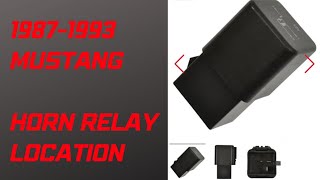
The horn relay is a small electrical switch that uses a low-power signal from your steering wheel button to control the high-power circuit for the horn. If you press the horn and hear a click from the fuse box area but the horn doesn't sound, your relay is likely working and the problem is elsewhere. If you hear no click, the relay could be bad. It's a common part and easy to replace.
🎬 See this video to find the hidden horn relay location.Helpful Videos

Technical Specifications
Voltage: 12V, Sound Level: Approx. 110 dB. Most systems use a dual-horn setup with one high-tone and one low-tone horn.
We Have This Part in Stock


The information in this article is provided for general reference and educational purposes only. Vehicle specifications, procedures, and part compatibility can vary by production date, trim level, and region. Always consult your vehicle's factory service manual and verify part numbers before purchasing or performing repairs. Safety-critical components such as airbags, seat belts, and braking systems should be installed by a qualified professional.