

Mercury Capri Ignition Control Module: A Guide to Solving Stalling and No-Start Issues
If your 1976-1987 Mercury Capri is stalling when hot or refusing to start, the ignition control module is a likely culprit.
- The most common symptom of failure is the engine stalling after it has warmed up and restarting once it cools down.
- Heat is the primary cause of failure for these modules; using dielectric grease during installation is crucial for longevity.
- Before buying, visually confirm your Capri has the external, fender-mounted Dura-Spark module, as some later models used a different system.
- While aftermarket modules are available, Motorcraft (OEM) is widely considered the most reliable option for a long-term fix.
Understanding Your Capri's Ignition System
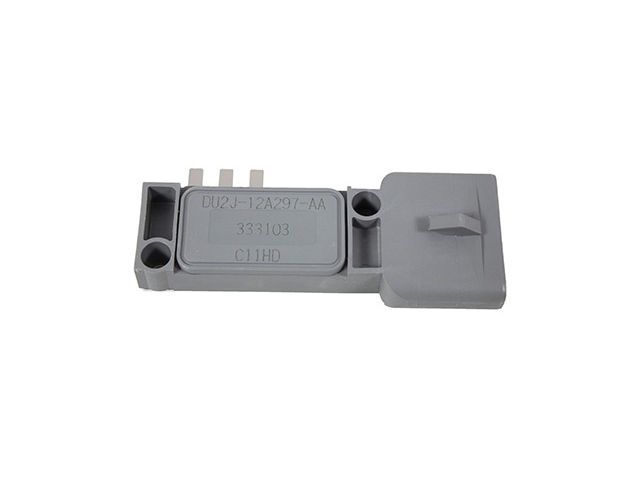
The 1976-1987 Mercury Capri spans two main generations. The earlier 1976-1978 models were imported, while the more common 1979-1986 models were built on the Ford Fox Body platform. Most of these vehicles, especially those with V8 engines, use Ford's Dura-Spark II ignition system. This system features a distinct, separate ignition control module—a small metal box typically mounted on the driver's side inner fender. Some very late models or those with specific engine configurations might have a distributor-mounted module (TFI system). Before ordering, it is critical to look under your hood and confirm you have the external box-style module this guide covers.
Common Symptoms of a Failing Ignition Module
Ignition control modules fail most often due to heat and age. The electronic components inside break down after thousands of heat cycles. When your Capri's module starts to fail, you'll notice distinct problems.
- No Spark or No Start: The engine cranks but never starts. This can be an intermittent problem at first, but will eventually lead to a complete no-start condition.
- Engine Misfires and Rough Running: The module may send erratic signals, causing poor engine performance, hesitation, and a rough idle.
- Engine Only Runs During Cranking: In some cases, the engine will fire while the key is in the 'start' position but die as soon as you release it to 'run'. This is a classic Dura-Spark failure symptom.
Choosing the Right Aftermarket Module: Brand Tiers
Not all aftermarket parts are created equal, and this is especially true for electronics. Aftermarket quality for these modules can be inconsistent.
- OEM-Tier (Motorcraft): Motorcraft is Ford's own brand. This is the part your car would have used from the factory. It offers the best guarantee of compatibility, quality, and longevity. If you want a fit-and-forget solution, Motorcraft is the safest choice, though it is the most expensive.
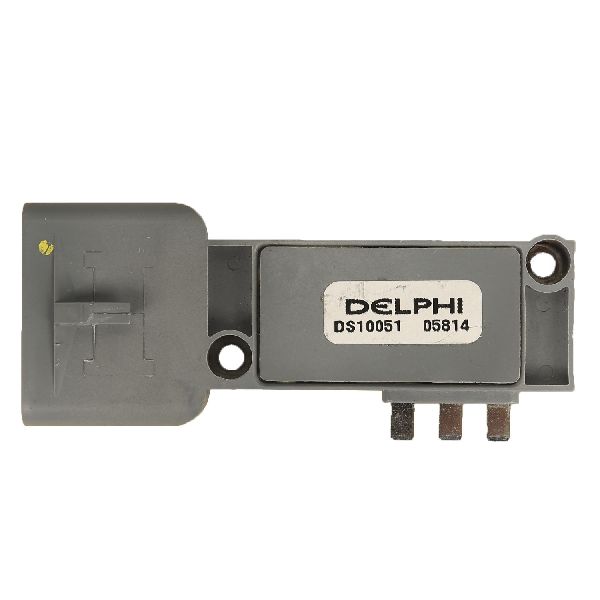
- Premium Aftermarket (Delphi, Standard Ignition Blue Streak): Brands like Delphi and Standard Motor Products (SMP) are reputable OEM suppliers and aftermarket manufacturers. They offer a good balance of quality and price. Standard's premium 'Blue Streak' line is often considered a durable option by mechanics.
- Standard Aftermarket (Standard Ignition, other store brands): These are budget-friendly and will get your car running. However, their long-term durability can be a gamble compared to premium brands. Many owners report these parts failing sooner than expected.
Cost of Replacing an Ignition Control Module
| Part Type | Estimated Cost |
|---|---|
| New Aftermarket | $79.66 - $110.55 |
| New OEM (Motorcraft) | $120 - $180 |
| Shop Labor | $50 - $150 |
| Total Professional Replacement | $130 - $290 |
Frequently Asked Questions
Where is the ignition module located on my Capri?
For most 1979-1986 models, you will find the ignition control module mounted to the inner fender wall on the driver's side of the engine compartment. It is a silver or black box with two wiring connectors.
Can I replace this part myself?
Yes, this is a very beginner-friendly repair. It typically involves unplugging two connectors and removing two screws. The entire job can usually be done in under 30 minutes with basic hand tools.
Why do these modules fail so often?
The primary cause of failure is repeated exposure to high engine bay temperatures. Over many years, the heat cycles cause the electronic components and the protective potting material inside the module to break down, leading to electrical failure.
Do I need any special tools for the job?
No special tools are required. A simple screwdriver or a small socket wrench to remove the mounting screws is all that is typically needed. The included packet of dielectric grease is essential for installation.
Technical Specifications
OEM Part Numbers: D7AZ-12A199-A D9VZ-12A199-A 1U2Z-12A199-AA D7AE-12A199-A2B
Dura-Spark II Electronic Ignition Control Module, Fender Mount, 2 Connectors (4-pin and 2-pin)
We Have This Part in Stock


The information in this article is provided for general reference and educational purposes only. Vehicle specifications, procedures, and part compatibility can vary by production date, trim level, and region. Always consult your vehicle's factory service manual and verify part numbers before purchasing or performing repairs. Safety-critical components such as airbags, seat belts, and braking systems should be installed by a qualified professional.