

Jaguar XJS (1976-1996) Horn: A Guide to Diagnosis and Replacement
Before you replace your silent XJS horn, understand the common electrical issues that are often the real culprit.
- Always test the horn unit directly with a 12V source before buying a replacement.
- The problem is most likely electrical: check the horn relay and both fuses first.
- Be aware of the undocumented fuse on the inner fender that is shared with the auxiliary fan; it is a very common failure point.
- Issues inside the steering column are a frequent cause of both no-sound and always-on horn problems.
Is Your Jaguar XJS Horn Silent?
A non-working horn is a common issue for 1976-1996 Jaguar XJS owners. While the horn assembly itself can fail, the problem often lies within the vehicle's famously unique electrical system. Before purchasing a new horn, it's essential to perform some simple diagnostic checks. A faulty horn can fail a safety inspection and poses a significant risk on the road.
Diagnose Before You Buy
The most common cause of horn failure in the XJS is not the horn itself. It is usually a bad fuse, a faulty relay, or an issue within the steering column's contact system. Test your existing horns by connecting them directly to a 12V battery. If they sound, the problem is elsewhere in the circuit, and a new horn will not fix the issue.
Common Failure Symptoms and Causes
- Horn Doesn't Work at All: This is the most frequent complaint. The cause is often a blown fuse, a bad relay, or failed contacts in the steering column. XJS models have at least two fuses for the horn circuit, and one is often undocumented in official diagrams, shared with the auxiliary cooling fan. This hidden fuse is a common culprit.
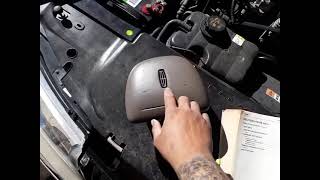
- Horn Stays On Continuously: This embarrassing issue typically points to a short circuit in the steering column. The internal components that complete the horn circuit when you press the button can fail or become misaligned, causing a constant ground that keeps the relay engaged. 🎬 See how to diagnose and fix a stuck horn switch.
- Horn Sounds Weak or Intermittently: This can be a sign of a failing horn unit, but it can also indicate a poor electrical connection or a bad ground. Corrosion on the horn terminals or a failing relay can also cause intermittent operation.
Choosing the Right Aftermarket Horn
If you've confirmed the horn unit itself is dead, several aftermarket options are available that provide excellent value and performance.
Brand Tiers
- Standard Ignition: A well-regarded aftermarket brand known for producing reliable electrical components. A horn from Standard Ignition is a solid choice that meets or exceeds original specifications and offers a good balance of quality and price.
- Replacement: This category includes various unbranded or store-brand options. They are the most budget-friendly choice and are perfectly adequate for a component like a horn. While they may not have the same brand recognition, they are functional replacements that will get your XJS back in compliance with safety standards.
Pro Tip: Check the Relay and Fuses First!
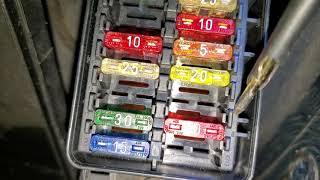
The horn relay is typically located in the engine bay, near the left-hand headlamp, under a plastic cover along with other relays. You can often swap it with a known good relay (like the A/C relay on some models) to test it. More importantly, check both the fuse in the main panel and the secondary fuse on the inner fender wall that is shared with the auxiliary fan—many owners find this hidden fuse is the source of their problem.
🎬 Watch: Locate your XJS horn relay and fuses here.Frequently Asked Questions (FAQ)
Where is the horn relay on my XJS?
The horn relay's location can vary slightly by model year, but it is almost always in the engine compartment. On many models, it's found on the left side, forward of the coolant tank and behind the headlight, under a black plastic cover with two or three other relays. On facelift models, it may be in a component panel on the right side.
Why do XJS horns fail so often?
It's usually not the horn itself that fails, but the electrical circuit. The system involves contacts and a brass rod inside the steering column that can wear out, break, or short circuit. Combined with multiple fuse locations (one of which is poorly documented), diagnosing the issue can be tricky. These electrical complexities are the primary reason for most horn-related issues.
Is replacing the horn a difficult DIY job?
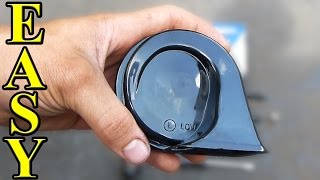
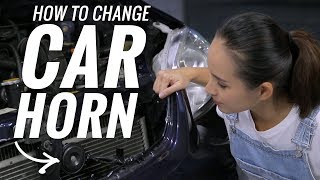
Physically replacing the horn units is straightforward. They are located behind the front bumper and are typically held by a single bolt with a simple electrical connector. The difficulty rating is low. 🎬 Watch this quick guide on how to swap car horns. However, diagnosing the electrical system to confirm the horn is the actual problem requires more skill and patience.
My horn won't stop blaring. What should I do?
A horn that stays on is almost always caused by a short in the steering column contacts or a stuck relay. As a temporary fix, you can pull the horn fuse or disconnect the battery. The permanent fix involves inspecting and repairing the horn push mechanism and contacts within the steering column.
Helpful Videos

Technical Specifications
System typically includes one high-tone and one low-tone horn.
We Have This Part in Stock


The information in this article is provided for general reference and educational purposes only. Vehicle specifications, procedures, and part compatibility can vary by production date, trim level, and region. Always consult your vehicle's factory service manual and verify part numbers before purchasing or performing repairs. Safety-critical components such as airbags, seat belts, and braking systems should be installed by a qualified professional.