

A Guide to the Engine Coolant Temperature Sensor for the 1977-1978 BMW 630CSi
Keep your classic 6-series running smoothly by understanding this critical engine sensor.
- This sensor is critical for the L-Jetronic fuel injection system; a failure directly impacts fuel economy and performance.
- Symptoms are often related to a rich fuel mixture: bad gas mileage, black smoke, and rough running.
- The sensor for the ECU is separate from the sensor for the dashboard temperature gauge; do not rely on the gauge to diagnose this part.
- For best results, choose an OEM-equivalent brand like Bosch or a high-quality aftermarket part to ensure the electrical properties match the ECU's requirements.
Understanding the Brains of Your M30 Engine's Fueling
Your 1977-1978 BMW 630CSi is equipped with a Bosch L-Jetronic fuel injection system, which was advanced for its time. This system relies on several sensors to keep the M30 engine running at its best. The engine coolant temperature sensor (CTS) is one of the most important. It tells the engine's computer (ECU) if the engine is cold, warm, or hot. An incorrect signal can lead to a host of running problems, making a functional sensor essential for performance and reliability.
Symptoms of a Failing Coolant Temperature Sensor
When the CTS starts to fail, it often sends a false "cold" signal to the ECU. This tricks the computer into providing too much fuel, as if you were constantly starting the engine on a winter morning. Here’s what to look for:
- Poor Gas Mileage: The most common symptom. The engine runs rich, wasting fuel.
- Black Smoke from Exhaust: Unburned fuel from the rich mixture gets burned in the hot exhaust pipe, creating black smoke.
- Rough or Unstable Idle: The incorrect air-fuel mixture makes it hard for the engine to run smoothly, especially when stopped.
- Hard Starting: Whether the engine is hot or cold, a bad sensor can make starting difficult because the fuel mixture is wrong for the conditions.
- Sluggish Performance: An engine running too rich lacks power and can feel lazy or unresponsive.
A Note on Your Dashboard Gauge
The sensor that provides information to the ECU is separate from the one that controls the temperature gauge on your instrument cluster. Your car can have a perfectly normal temperature reading on the dash while the engine is running poorly due to a bad ECU sensor.
Choosing the Right Aftermarket Sensor
For a classic BMW, the choice between parts can be critical. The original sensor was made by Bosch, and the ECU is calibrated to its specific electrical resistance curve. Using a sensor with a different curve, even if it fits, can create new problems.
| Tier | Brands | Quality & Fit Assessment |
|---|---|---|
| OEM-Equivalent | Bosch | As the original supplier, Bosch is the safest bet for perfect function. The ECU is designed to work with its specific resistance values. |
| High-Quality Aftermarket | Beck Arnley, Standard Ignition | Beck Arnley specializes in sourcing parts that match OE specifications for foreign vehicles. Standard Ignition is a well-known aftermarket manufacturer. For a critical sensor like this, these brands are a cost-effective option, but ensure the part number is a direct cross-reference. |
| Economy Aftermarket | True Tech, other store brands | While budget-friendly, these parts may have a higher risk of incorrect calibration. They may work, but could cause subtle running issues that are difficult to diagnose. For a sensitive system like L-Jetronic, it's often better to invest in a higher-tier part. |
Pro Tip: Test Before You Install
A new sensor can be tested with a multimeter set to ohms. A good sensor for this car should have a resistance of approximately 2,100-2,900 ohms at room temperature (~68°F/20°C). This simple check can save you the headache of installing a defective part.
Frequently Asked Questions (FAQ)
Where is the coolant temperature sensor located on a 1977-1978 BMW 630CSi?
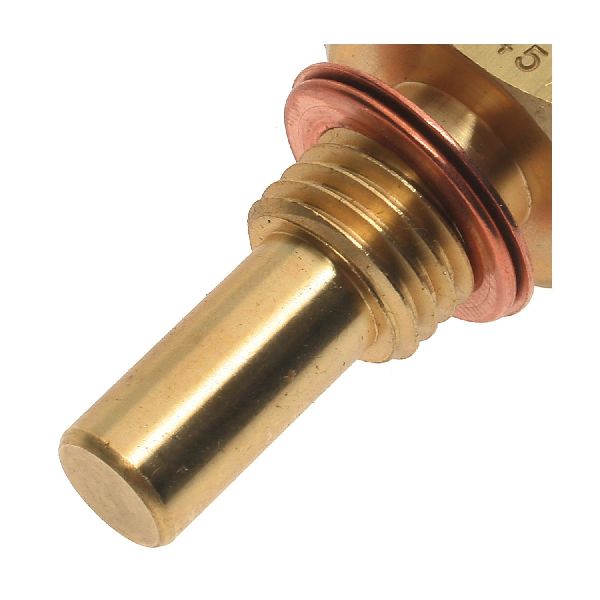
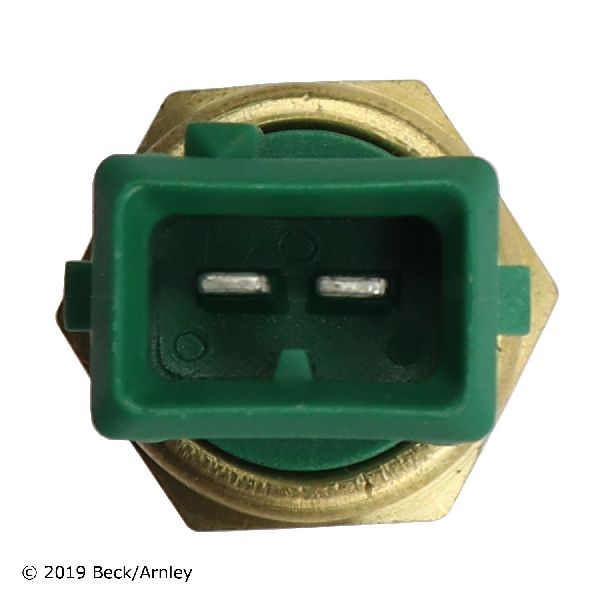
The sensor is located in the thermostat housing at the front of the M30 engine. You will see a cluster of two or three sensors; the one for the ECU typically has a two-pin connector and may have a colored plastic base (often blue or beige).
Is this a difficult part to replace myself?
No, this is a good DIY job for a beginner. It requires basic tools to unplug the electrical connector and unscrew the sensor. Be prepared for a small amount of coolant to spill when you remove the old sensor. It's best to replace it when the engine is cold.
Are there any recalls or TSBs for this part?
No, searches of the National Highway Traffic Safety Administration (NHTSA) database show no recalls or Technical Service Bulletins (TSBs) for the engine coolant temperature sensor on the 1977-1978 BMW 630CSi.
Why is my car running poorly but the temperature gauge looks fine?
Your car uses two different sensors. One sends temperature information to your dashboard gauge, and a separate one sends temperature information to the engine's computer (ECU). The sensor for the ECU can fail while the gauge sensor continues to work perfectly, which is a very common scenario.
Technical Specifications
OEM Part Numbers: 13621284397 13621709966 13621709967
Connector: 2-Pin. Type: Negative Temperature Coefficient (NTC) Thermistor. Resistance at 20°C (68°F): ~2.1k - 2.9k Ohms. Resistance at 80°C (176°F): ~270 - 400 Ohms.
We Have This Part in Stock


The information in this article is provided for general reference and educational purposes only. Vehicle specifications, procedures, and part compatibility can vary by production date, trim level, and region. Always consult your vehicle's factory service manual and verify part numbers before purchasing or performing repairs. Safety-critical components such as airbags, seat belts, and braking systems should be installed by a qualified professional.